How Metabolic Syndrome Silently Drives Chronic Inflammation After 50

How Metabolic Syndrome Silently Drives Chronic Inflammation After 50

Metabolic syndrome is silently fueling chronic inflammation in millions of adults over 50. Discover what's really happening inside your body, how to identify the warning signs, and the proven strategies to reverse it naturally.

Introduction

Here's a number that stopped me in my tracks when I first came across it. More than 50% of adults over 60 in the United States meet the clinical criteria for metabolic syndrome. More than half. And the vast majority of them have no idea. No diagnosis, no treatment plan, no awareness that their body is running a slow-burning inflammatory fire that's quietly damaging their heart, their brain, their joints, and their metabolic machinery — every single day.

Metabolic syndrome doesn't announce itself with dramatic symptoms. It creeps up on you. A little extra weight around the middle. Blood pressure that's crept up over the years. Fasting glucose that's “borderline.” Triglycerides that your doctor mentions but doesn't seem too alarmed by. On their own, each of these things seems manageable. Together, they form a cluster of metabolic dysfunction that drives some of the most dangerous and pervasive chronic inflammation a person over 50 can experience.

I remember sitting with my lab results a few years back thinking everything looked pretty okay. My doctor wasn't particularly concerned. But when I started connecting the dots — waist measurement, blood pressure trending up, glucose creeping higher, energy tanking — I realized I was sitting squarely in metabolic syndrome territory. And once I understood what that was doing to my inflammatory biology, getting serious about reversing it became the most urgent health priority I had.

This article is going to walk you through exactly what metabolic syndrome is, why it's such a powerful driver of chronic inflammation specifically after 50, how to know if you have it, and — most importantly — what you can actually do to reverse it. Diet, exercise, targeted supplements, and biohacking tools are all on the table. Let's get into it.


What Is Metabolic Syndrome — And Why Does It Matter After 50?

Metabolic syndrome isn't a single disease. It's a cluster of five interconnected metabolic abnormalities that, when they occur together, dramatically increase your risk of cardiovascular disease, type 2 diabetes, stroke, Alzheimer's disease, and certain cancers. The clinical definition requires three or more of the following five criteria to be present simultaneously.

First, central obesity — a waist circumference greater than 40 inches in men or 35 inches in women. Second, elevated fasting blood glucose — 100 mg/dL or higher, or already on glucose-lowering medication. Third, elevated triglycerides — 150 mg/dL or higher, or on triglyceride-lowering medication. Fourth, reduced HDL cholesterol — below 40 mg/dL in men or 50 mg/dL in women. Fifth, elevated blood pressure — 130/85 mmHg or higher, or already on blood pressure medication. Three out of five, and you have metabolic syndrome. Sound familiar? You'd be surprised how many people hit three or four of these without ever being told they have a syndrome at all.

Why does the risk skyrocket after 50? Several things converge simultaneously. Muscle mass naturally declines with age — a process called sarcopenia — and muscle tissue is the primary site of glucose uptake from the bloodstream. Less muscle means worse glucose disposal and rising insulin resistance. Hormonal changes compound this: declining testosterone in men and declining estrogen in women both remove natural metabolic protections. Testosterone supports muscle mass and insulin sensitivity. Estrogen influences fat distribution, and its decline tends to shift fat storage from the hips and thighs to the abdomen — the metabolically dangerous visceral fat depot. Thyroid function often becomes sluggish after 50, slowing metabolic rate further. Mitochondrial efficiency declines. And decades of dietary patterns, stress accumulation, and sleep disruption all add up.

The treatment problem is also worth naming. Conventional medicine tends to treat each component of metabolic syndrome as a separate condition — blood pressure medication here, statin there, metformin for the glucose. Rarely does anyone sit down and say “you have metabolic syndrome, and here's a comprehensive strategy for reversing the underlying dysfunction.” That gap is what this article is designed to fill.


The Hidden Link Between Metabolic Syndrome and Chronic Inflammation

This is the section I most wish someone had explained to me years ago. Because once you understand the mechanism — how metabolic syndrome and chronic inflammation are not just correlated but are actively driving each other in a feedback loop — the urgency of addressing it becomes visceral.

Let's start with visceral fat, because it's the most important and most misunderstood player in this story. Visceral fat is the fat stored deep in the abdominal cavity, surrounding your organs. Unlike subcutaneous fat — the fat you can pinch under your skin — visceral fat is metabolically active. It functions essentially as an endocrine organ, secreting a range of biologically active compounds including pro-inflammatory cytokines like TNF-α and IL-6, and adipokines like leptin and resistin. As visceral fat accumulates, it creates a continuous low-grade inflammatory signal that circulates throughout the body, raising systemic inflammatory markers and setting the stage for every major inflammatory disease.

Insulin resistance is the second major inflammatory driver in metabolic syndrome. When cells stop responding efficiently to insulin, the pancreas compensates by pumping out more of it. Chronically elevated insulin directly activates NF-κB — the master transcription factor that switches on dozens of pro-inflammatory genes. High insulin also suppresses a key anti-inflammatory hormone called adiponectin, removing one of the body's natural brakes on inflammation. And because insulin resistance drives more glucose into the bloodstream, you get the third mechanism: elevated blood sugar.

High blood sugar drives a process called glycation — where glucose molecules attach to proteins and lipids, forming advanced glycation end products (AGEs). AGEs are recognized by the immune system as foreign and damaged, triggering inflammatory responses. Elevated blood glucose also generates significant oxidative stress, producing reactive oxygen species that damage cells and activate inflammatory pathways. This is why chronically elevated blood sugar — even at levels below the diabetic threshold — is now understood to be a significant independent driver of systemic inflammation.

Dyslipidemia — specifically high triglycerides and low HDL — rounds out the inflammatory picture. Elevated triglycerides promote endothelial dysfunction, damaging the inner lining of blood vessels and creating a pro-inflammatory vascular environment. Small, dense LDL particles — more common in metabolic syndrome than standard LDL testing reveals — are particularly prone to oxidation, and oxidized LDL is a potent trigger for arterial inflammation. High blood pressure, the fifth component, further stresses the arterial endothelium and drives vascular inflammation.

Each of these five components drives inflammation independently. But here's what makes metabolic syndrome particularly dangerous — they don't just add together, they multiply each other. Visceral fat drives insulin resistance. Insulin resistance worsens dyslipidemia. Dyslipidemia promotes hypertension. Hypertension compounds vascular inflammation. And all of it feeds back to generate more visceral fat. It's a self-reinforcing inflammatory spiral, and it tends to spin faster the longer it runs unchecked.


How to Know If You Have Metabolic Syndrome — Signs, Symptoms and Tests

The frustrating thing about metabolic syndrome is that it often produces no dramatic symptoms — at least not at first. The inflammation it generates is systemic and low-grade. The metabolic dysfunction it creates is gradual. By the time you start feeling genuinely unwell, the syndrome has often been running for years.

That said, there are signs worth paying attention to. Persistent fatigue that isn't explained by poor sleep or overexertion. Brain fog and difficulty concentrating. Difficulty losing weight despite reasonable effort, particularly around the abdomen. Energy crashes after meals — a classic sign of post-meal glucose dysregulation. Elevated resting heart rate. Frequent urination or increased thirst. Slow wound healing. And that general sense that your body is inflamed — achy joints, puffy face in the morning, persistent low-grade malaise.

The diagnostic criteria I listed earlier give you the five key numbers to know. Here's how to get them. A standard fasting blood panel will give you fasting glucose and a lipid panel including triglycerides and HDL. Blood pressure you can measure at home with an inexpensive cuff — and I strongly recommend doing so, because blood pressure measured in a doctor's office is notoriously unreliable due to white coat hypertension. Waist circumference you can measure yourself with a tape measure at the level of your navel.

Beyond the five diagnostic criteria, there are additional tests worth requesting if you want a fuller picture of your metabolic-inflammatory status. HOMA-IR is a calculated measure of insulin resistance derived from fasting glucose and fasting insulin — it's not routinely ordered but reveals subclinical insulin resistance before glucose gets high enough to meet the diagnostic threshold. High-sensitivity CRP (hsCRP) directly measures systemic inflammation and is one of the most powerful predictors of cardiovascular risk in metabolic syndrome. Fasting insulin alone is worth knowing — most labs consider anything under 25 μIU/mL normal, but functional medicine practitioners typically aim for under 8. Hemoglobin A1c reflects your average blood sugar over the past three months. And a comprehensive metabolic panel will reveal liver enzyme levels, which often become elevated in metabolic syndrome due to non-alcoholic fatty liver disease.

Don't wait for your doctor to order these proactively. Most won't unless you ask. Know your numbers, track them over time, and use them as your personal metabolic inflammation dashboard.


The Lifestyle Drivers Making Metabolic Syndrome Worse After 50

Understanding what's driving your metabolic syndrome is just as important as knowing you have it. Because treating it effectively means addressing causes, not just managing numbers. And there are several lifestyle factors that hit particularly hard after 50.

Sedentary behavior is the most impactful. Physical inactivity directly impairs insulin sensitivity — muscle contraction is one of the primary mechanisms by which cells take up glucose independently of insulin, through GLUT4 transporter activation. When you're inactive, this non-insulin-dependent glucose disposal essentially disappears, and blood sugar regulation becomes almost entirely dependent on an insulin signaling system that's already struggling. Research consistently shows that even relatively modest increases in physical activity produce rapid and significant improvements in insulin sensitivity and inflammatory markers.

Diet quality — specifically the overconsumption of ultra-processed foods and refined carbohydrates — is the second major driver. Refined carbohydrates produce rapid glucose spikes that overwhelm insulin signaling and generate oxidative stress. Ultra-processed foods are typically high in refined seed oils (a major source of pro-inflammatory omega-6 fatty acids), added sugars, and food additives that disrupt the gut microbiome and promote intestinal permeability. A compromised gut barrier allows bacterial endotoxins called lipopolysaccharides (LPS) to leak into the bloodstream, triggering a chronic low-grade immune response that compounds metabolic inflammation significantly.

Chronic stress deserves more attention than it typically gets in metabolic syndrome conversations. Chronically elevated cortisol directly promotes visceral fat deposition, impairs insulin sensitivity, raises blood pressure, and suppresses the immune regulation needed to keep inflammation in check. People under chronic stress often eat poorly, sleep less, and move less — compounding the direct metabolic effects of cortisol itself. Stress management isn't a soft lifestyle recommendation. For metabolic syndrome, it's a clinical intervention.

Sleep deprivation is similarly underestimated. Even a single night of poor sleep measurably reduces insulin sensitivity the following day. Chronic sleep insufficiency — less than seven hours most nights — is consistently associated with elevated fasting glucose, higher triglycerides, increased visceral fat accumulation, and significantly elevated inflammatory markers. Growth hormone, which is released primarily during deep sleep and plays a key role in metabolic repair, is severely curtailed by sleep deprivation. If you're not prioritizing sleep as part of your metabolic syndrome strategy, you're fighting with one hand tied behind your back.

Hormonal decline after 50 creates additional metabolic vulnerability. In men, declining testosterone accelerates both muscle loss and visceral fat gain — directly worsening insulin resistance and inflammatory load. In women, the loss of estrogen's metabolic protection during and after menopause shifts fat distribution toward the abdomen and worsens every metabolic syndrome marker. These hormonal changes don't excuse metabolic syndrome, but they do explain why lifestyle interventions need to be more deliberate and consistent after 50 than they did at 35.


The Anti-Inflammatory Diet Protocol for Reversing Metabolic Syndrome After 50

Diet is probably the highest-leverage intervention available for reversing metabolic syndrome, and the good news is that the evidence strongly converges on a clear dietary framework — even if the specific diet names vary. Here's what the research actually supports.

The foundation is whole, minimally processed food. Not a specific named diet, but a genuine commitment to eating things that look like food rather than things that were engineered in a laboratory. Real protein from quality animal and plant sources. Vegetables and low-sugar fruits in abundance. Healthy fats from avocados, olive oil, nuts, and fatty fish. Complex carbohydrates from whole food sources like legumes, sweet potatoes, and whole grains in portions appropriate to your activity level. This framework consistently outperforms any specific named diet in long-term metabolic syndrome research.

The Mediterranean diet deserves specific mention because it has the deepest evidence base for metabolic syndrome outcomes of any dietary pattern studied. The landmark PREDIMED trial showed that a Mediterranean diet supplemented with extra virgin olive oil or nuts reduced the incidence of major cardiovascular events by approximately 30% in high-risk adults — a population that heavily overlaps with metabolic syndrome. The anti-inflammatory mechanisms are multiple: high polyphenol intake, favorable omega-3 to omega-6 ratio, fiber from legumes and vegetables supporting gut health, and minimal refined carbohydrate and processed food.

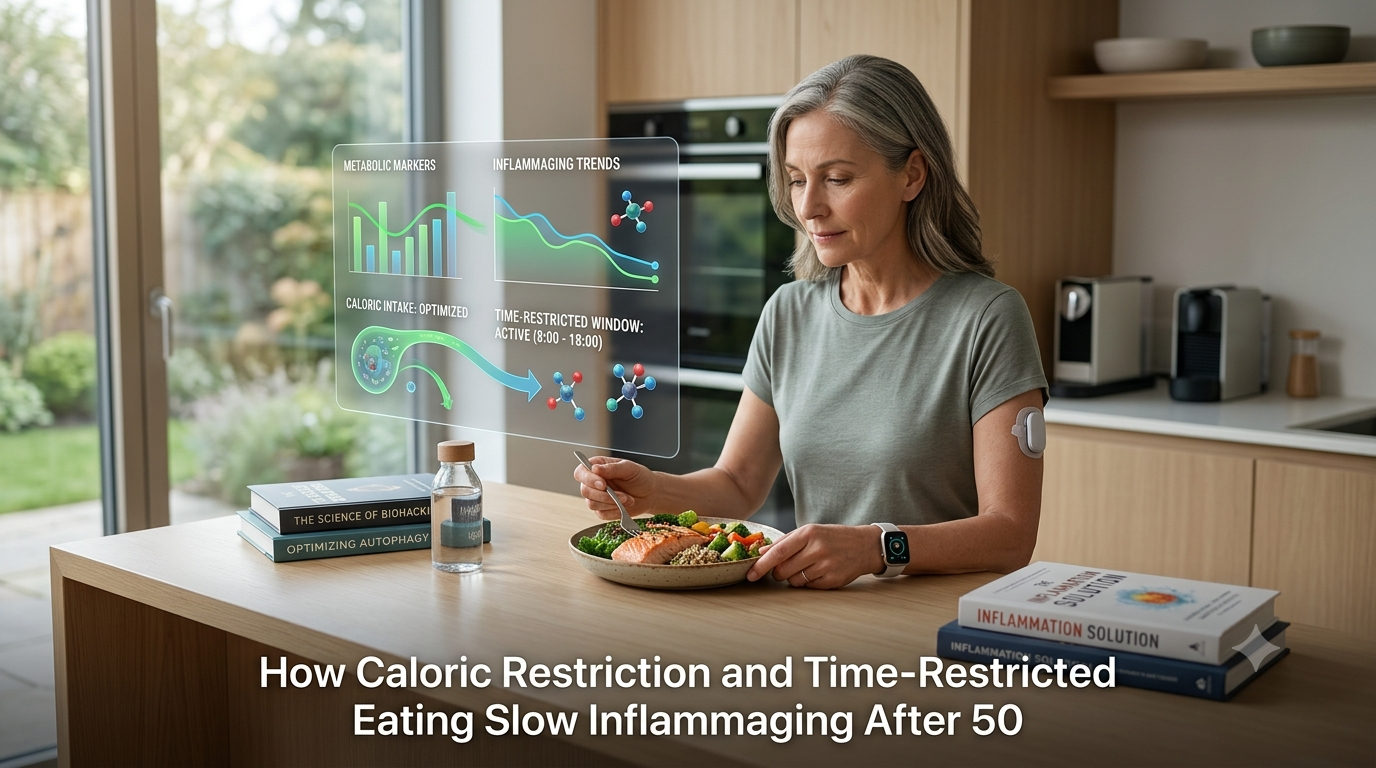
Time-restricted eating (TRE) and intermittent fasting add a powerful metabolic layer on top of food quality. Limiting your eating window to 8-10 hours per day — a 16:8 or 14:10 approach — improves insulin sensitivity, promotes visceral fat loss, reduces fasting glucose and triglycerides, and activates cellular cleanup processes including autophagy and mitophagy. Research published in Cell Metabolism showed that time-restricted eating improved metabolic health markers in men with metabolic syndrome even without deliberate caloric restriction. The mechanism involves aligning food intake with circadian metabolic rhythms, allowing insulin to fully clear between meals and reducing the chronic insulin elevation that drives metabolic inflammation.

Specific foods with the strongest evidence for metabolic syndrome include fatty fish for omega-3s and anti-inflammatory effects, extra virgin olive oil for its oleocanthal and oleic acid content, berries for anthocyanins that improve insulin sensitivity, leafy greens for magnesium and nitrate content, legumes for soluble fiber and slow glucose release, and green tea for EGCG, a polyphenol with documented effects on insulin sensitivity and visceral fat reduction.

Fiber deserves its own emphasis. Soluble fiber from sources like oats, legumes, flaxseed, and vegetables feeds beneficial gut bacteria that produce short-chain fatty acids — particularly butyrate — which directly reduces intestinal inflammation, strengthens the gut barrier, and improves insulin sensitivity. Most adults over 50 consume roughly half the recommended 25-38 grams of fiber daily. Closing this gap consistently is one of the most underrated dietary interventions for metabolic syndrome.

What to eliminate or dramatically reduce: refined seed oils, ultra-processed packaged food, added sugars and sweetened beverages, refined grains, and excessive alcohol. These aren't suggestions — they're the primary dietary drivers of metabolic syndrome and replacing them with real food is the single most impactful dietary change most people can make.


Exercise Strategies That Directly Target Metabolic Syndrome and Inflammation

If diet is the highest-leverage dietary tool for metabolic syndrome, resistance training is the highest-leverage exercise tool — and it's dramatically underutilized by most people over 50. Let me explain why it's so central to this particular condition.

Skeletal muscle is the largest glucose-disposal organ in the body. When muscle contracts, it activates GLUT4 transporters that pull glucose out of the bloodstream independently of insulin — meaning even insulin-resistant muscle can clear glucose effectively during and after exercise. More muscle mass means more glucose disposal capacity and dramatically improved insulin sensitivity at rest. Building and maintaining muscle through resistance training is therefore a direct intervention on one of the primary mechanisms of metabolic syndrome. Research consistently shows that two to three resistance training sessions per week produce significant reductions in fasting glucose, insulin resistance, triglycerides, and waist circumference — even in people over 60.

Zone 2 cardio is the essential complement. Sustained low-to-moderate intensity aerobic exercise — at an intensity where you can hold a conversation but are working steadily — primarily burns fat through mitochondria in a way that improves mitochondrial efficiency, reduces visceral fat, and significantly lowers inflammatory markers over time. Zone 2 training also increases insulin sensitivity by improving mitochondrial fat oxidation capacity, reducing the reliance on glucose as a primary fuel source. Aim for 150 minutes per week broken into manageable sessions.

Post-meal walking is one of the simplest and most underrated metabolic interventions available. A 10-15 minute walk after meals has been shown in multiple studies to significantly blunt post-meal glucose spikes by activating muscle glucose uptake at the time when blood sugar is peaking. Over time, consistently flattening post-meal glucose spikes reduces glycation, oxidative stress, and the inflammatory burden that comes with blood sugar volatility. If you do nothing else from the exercise section, do this one.

HIIT can be a powerful tool for metabolic syndrome but needs a thoughtful approach after 50. Short bursts of high-intensity effort improve insulin sensitivity, stimulate mitochondrial biogenesis, and reduce visceral fat — but excessive HIIT without adequate recovery can elevate cortisol and worsen inflammation. Once per week, well-recovered from other training, is a sensible starting point.

A practical weekly framework: resistance training two to three times, Zone 2 cardio three to four times for 30-45 minutes, post-meal walks daily, and one optional HIIT session. This doesn't require a gym membership or hours of daily exercise. Resistance bands at home, brisk walking, bodyweight exercises, and cycling all qualify. Consistency over intensity is the rule here — a moderate program you do every week beats an aggressive program you abandon after a month.


Targeted Supplements and Biohacks for Metabolic Inflammation After 50

Once diet and exercise are moving in the right direction, targeted supplementation can meaningfully accelerate progress on metabolic syndrome markers and inflammatory load. Here are the most evidence-backed options for this specific context.

Berberine is the supplement most specifically aligned with metabolic syndrome. It activates AMPK, improves insulin sensitivity, lowers fasting glucose, reduces triglycerides, improves HDL, and directly suppresses NF-κB inflammatory signaling — essentially addressing four of the five metabolic syndrome components simultaneously. The research comparing berberine to metformin for glucose management is well established, and its additional effects on lipids and inflammation give it advantages metformin doesn't have. Standard protocol is 500mg two to three times daily with meals, cycled eight weeks on and two weeks off. Check for interactions with any medications you're taking.

Magnesium is critical for metabolic syndrome specifically because it's a required cofactor for insulin receptor signaling. Without adequate magnesium, insulin receptors don't respond efficiently to insulin — directly worsening insulin resistance. Magnesium also regulates the inflammatory pathways activated by metabolic dysfunction. Deficiency is nearly universal in people with metabolic syndrome. Magnesium glycinate at 300-400mg nightly is the most practical starting point, with magnesium malate a useful addition for daytime energy support.

Omega-3 fatty acids at therapeutic doses (2-3 grams combined EPA and DHA daily) directly address the dyslipidemia component of metabolic syndrome, reducing triglycerides by 20-30% in many studies while simultaneously suppressing pro-inflammatory cytokine production. The combination of lipid improvement and anti-inflammatory effect makes omega-3s uniquely valuable in the metabolic syndrome context.

Alpha-lipoic acid (ALA) is particularly interesting for metabolic inflammation because it functions both as an insulin sensitizer — improving glucose uptake in muscle cells — and as a recycling antioxidant that regenerates glutathione, vitamin C, and vitamin E, all of which are depleted by the oxidative stress of metabolic dysfunction. R-ALA (the R isomer) at 300-600mg daily with meals is the most bioavailable form.

On the biohacking tools side, a continuous glucose monitor (CGM) is genuinely transformative for anyone with metabolic syndrome. Seeing your blood glucose response to specific foods, meal timing, stress, and sleep in real time gives you data no standard quarterly blood test can provide. Most people are shocked to discover which “healthy” foods spike their glucose significantly, and this awareness alone drives powerful dietary behavior change. CGMs are now accessible without a prescription through services like Levels Health.

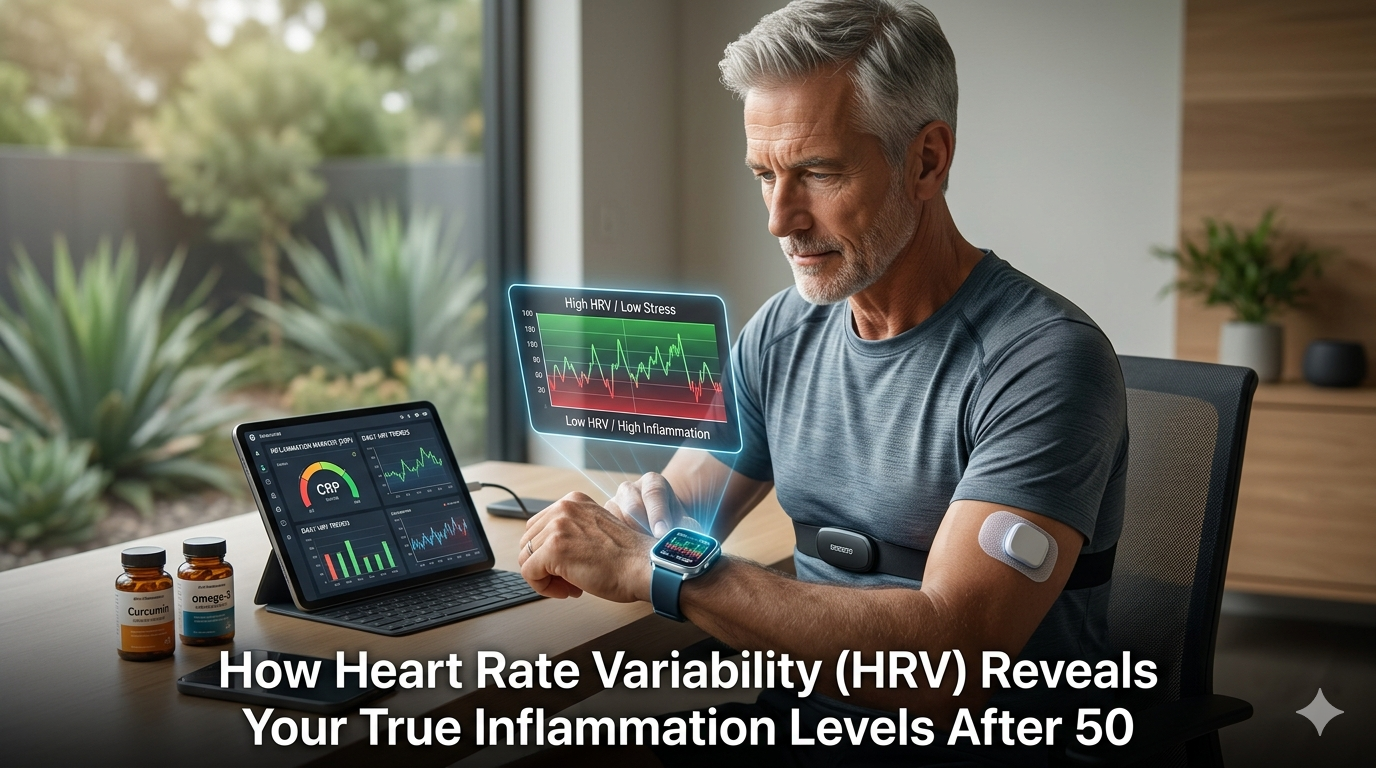
HRV tracking through a wearable device gives you a complementary real-time window into your autonomic nervous system balance and overall stress load — both tightly coupled to metabolic inflammation. Consistently low HRV is a reliable signal that your body is under physiological strain, whether from inflammatory burden, poor recovery, or metabolic stress. Using HRV data to guide your training intensity and recovery decisions helps you avoid the cortisol spikes that worsen metabolic syndrome, and tracks your progress as your metabolic health improves.


Conclusion

Metabolic syndrome is one of the most common and most consequential health conditions affecting people over 50 — and one of the most underdiagnosed, undertreated, and misunderstood. The connection between metabolic syndrome and chronic inflammation isn't incidental. It's mechanistic, bidirectional, and self-reinforcing. Visceral fat, insulin resistance, elevated blood sugar, dyslipidemia, and hypertension don't just damage your health independently — they lock together into an inflammatory feedback loop that accelerates biological aging and drives risk for virtually every major chronic disease.

The genuinely good news is that metabolic syndrome is not a life sentence. Unlike some aspects of aging, it responds powerfully to targeted lifestyle intervention. Diet quality, consistent exercise, stress management, sleep optimization, and well-chosen supplementation can produce measurable improvements in metabolic markers and inflammatory load within weeks to months. The biology is reversible. The trajectory is changeable.

Don't try to change everything at once. Pick one or two interventions from this article that feel most accessible and most relevant to your situation — maybe it's cutting ultra-processed food and adding post-meal walks, or starting resistance training and taking berberine. Build those habits until they're automatic, then layer in the next thing. Small, consistent changes in the right direction compound into significant biological change over time.

Please work with a healthcare provider on this journey, especially if you're already on medications for any of the metabolic syndrome components. A functional medicine doctor or knowledgeable integrative practitioner can help you track the right markers, adjust medications as your metabolic health improves, and personalize your protocol for your specific situation.

Now I want to hear from you. Are you dealing with metabolic syndrome or any of its components? Have you made changes that moved the needle on your markers or your inflammation? Share your experience in the comments below — real stories from real people navigating this after 50 are some of the most valuable contributions anyone can make to this conversation.

We recommend to read this next!

Continue ReadingHow Metabolic Syndrome Silently Drives Chronic Inflammation After 50

The Ultimate Anti-Inflammatory Supplement Stack for Over 50s: CoQ10, Omega-3s, Berberine and Beyond

The Ultimate Anti-Inflammatory Supplement Stack for Over 50s: CoQ10, Omega-3s, Berberine and Beyond

Looking for the best anti-inflammatory supplements for over 50s? Discover the ultimate evidence-backed supplement stack — including CoQ10, omega-3s, berberine, and more — to crush chronic inflammation, boost energy, and reclaim your health after 50.

Introduction

Did you know the global supplement industry is worth over $150 billion — and yet most people over 50 who are taking handfuls of pills every morning are still walking around with elevated inflammation markers, creaky joints, and energy levels that feel like a phone stuck at 12% battery? I was one of those people. I had a cabinet full of supplements, a drawer full of half-finished bottles, and absolutely no systematic understanding of what I was doing or why.

Here's the problem nobody talks about. The supplement industry is spectacularly good at marketing and spectacularly inconsistent at delivering actual results. The sheer volume of products, claims, and contradictory advice is enough to make anyone's head spin. And after 50, the stakes feel higher — you're not just trying to feel a little better, you're trying to genuinely address the chronic low-grade inflammation that's quietly driving joint pain, cognitive decline, cardiovascular risk, and accelerated biological aging.

I spent years doing this wrong before I started doing it right. I wasted money on cheap, poorly absorbed forms of things that could have actually helped me. I took things randomly without understanding how they worked together. I ignored the foundational supplements while chasing the flashy new ones. Sound familiar?

This article is the guide I wish I'd had. We're going to cut through the noise and focus on the supplements with the strongest evidence base for reducing inflammation after 50 — what they are, how they work, what forms actually matter, how to dose them, and how to build a stack that makes sense for your specific situation. We'll go from foundational to advanced, from budget-friendly to premium, and I'll be straight with you about what the research actually supports versus what's mostly hype. Let's get into it.


Why Inflammation Gets Harder to Control After 50 — And Why Supplements Can Help

If you've read anything about health and aging in the last few years, you've probably come across the term inflammaging. It's not just a clever portmanteau — it describes a very real, very well-documented phenomenon where chronic low-grade systemic inflammation becomes the default biological state as we age. And it's now understood to be a primary driver of virtually every major age-related disease — cardiovascular disease, type 2 diabetes, Alzheimer's, cancer, osteoarthritis, and more.

After 50, several things happen simultaneously that make inflammation harder to control. Your mitochondrial function declines, leading to more oxidative stress and more inflammatory signaling. Your gut microbiome diversity decreases, compromising the intestinal barrier and allowing inflammatory compounds to leak into the bloodstream. Your hormonal environment shifts — declining testosterone, estrogen, and DHEA all have anti-inflammatory properties, so their decline removes a natural brake on the inflammatory response. Your cellular repair systems slow down, allowing damaged and senescent cells to accumulate. These cells actively secrete inflammatory cytokines in a pattern researchers call the senescence-associated secretory phenotype, or SASP. It's a lot of fires breaking out at once.

Now, can diet and lifestyle address all of this? Absolutely — and they should be the foundation of any anti-inflammation strategy. But here's the honest reality after 50. Decades of accumulated cellular damage, nutritional depletion from modern diets, and the sheer speed of age-related biochemical changes mean that food alone often can't fully close the gaps. Certain nutrients become harder to absorb from food as gut function changes with age. Others are depleted by medications that many people over 50 take routinely. And some compounds — like NAD+ precursors or specific senolytic flavonoids — aren't realistically obtainable in therapeutic doses from diet at all.

That's where targeted supplementation comes in. Not as a replacement for a good diet and active lifestyle — never that — but as a precision tool for addressing specific biochemical gaps and mechanisms that are particularly active in aging physiology. The key word there is targeted. Random supplementation without understanding why you're taking something is expensive and largely ineffective. Strategic supplementation based on the mechanisms driving your inflammation is a completely different thing.

One more thing before we dive in. This article is not medical advice, and some of these supplements have meaningful interactions with common medications. Please run any new supplement protocol by your doctor, ideally one who's familiar with functional medicine and anti-aging approaches. With that said — let's build your stack.


CoQ10 (Ubiquinol) — The Non-Negotiable Foundation of Any Over-50 Stack

If there's one supplement I'd put on the absolute non-negotiable list for anyone over 50, it's CoQ10 in the ubiquinol form. Full stop. And yet the majority of people who are taking CoQ10 are taking the wrong form at the wrong dose and wondering why they don't feel any different. Let me fix that.

CoQ10 (coenzyme Q10) is a fat-soluble compound that lives inside your mitochondria and plays a starring role in the electron transport chain — the process by which your cells produce ATP, the energy currency your body runs on. It's also a potent antioxidant, particularly within the mitochondrial membrane, where it directly quenches the reactive oxygen species that trigger inflammatory cascades. Without adequate CoQ10, mitochondria run dirty, producing more oxidative byproduct and less usable energy — a combination that directly drives systemic inflammation.

Here's the problem. Your body's natural CoQ10 production peaks in your mid-twenties and declines by roughly 50% by the time you're 50. That's already a significant depletion. But if you're on a statin — and millions of people over 50 are — the decline is dramatically more severe. Statins work by inhibiting HMG-CoA reductase, the same enzyme your body uses to synthesize both cholesterol and CoQ10. The result is that statins reliably deplete CoQ10 levels, which ironically can contribute to the very cardiovascular and inflammatory issues they're meant to address. If you're on a statin and not supplementing CoQ10, this should be a priority conversation with your doctor.

Now about that form issue. CoQ10 exists in two forms in the body — ubiquinone (oxidized) and ubiquinol (reduced). Ubiquinol is the active, antioxidant form that your body actually uses in the mitochondria. The conversion from ubiquinone to ubiquinol happens naturally in younger people, but that conversion becomes significantly less efficient after 40. This means that cheap ubiquinone supplements — which make up the majority of CoQ10 products on the market — may deliver poor results in older adults simply because the body can no longer efficiently convert them. Ubiquinol is more expensive, but it's substantially better absorbed and more bioavailable in people over 50.

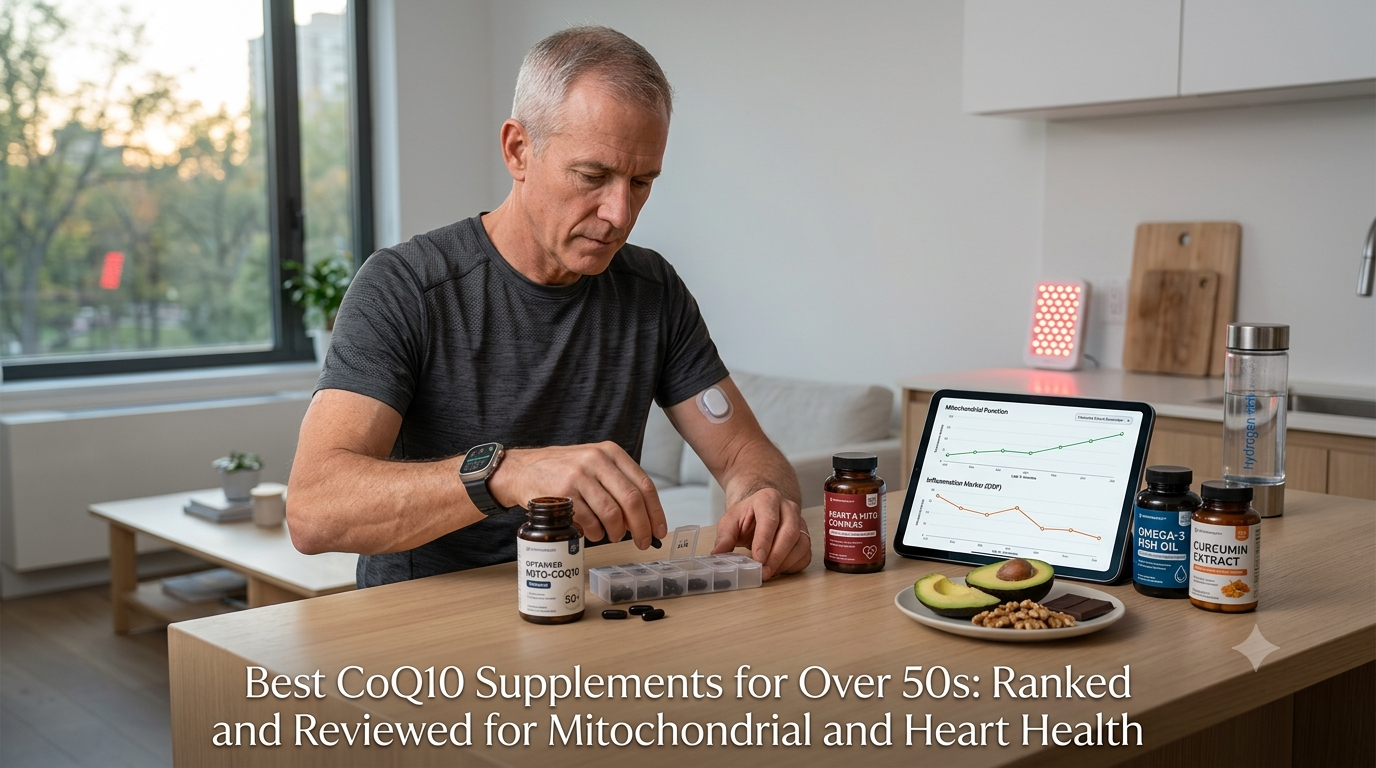
The research on CoQ10 and inflammation is solid. Multiple clinical trials have shown that CoQ10 supplementation reduces CRP and other inflammatory markers, improves endothelial function, reduces oxidative stress markers, and improves exercise tolerance. For dosing, most research on anti-inflammatory and mitochondrial benefits uses 200-400mg of ubiquinol daily. Take it with a meal containing fat, as it's fat-soluble and absorption is significantly better with food.

When buying CoQ10, look for the Kaneka QH brand of ubiquinol — this is the most research-backed form and many reputable supplement companies use it. Third-party testing certification (NSF, USP, or Informed Sport) is always worth looking for. Avoid dirt-cheap products, as CoQ10 quality varies enormously between manufacturers.


Omega-3 Fatty Acids — The Most Researched Anti-Inflammatory Supplement on Earth

The evidence base for omega-3 fatty acids and inflammation is deeper and wider than virtually any other supplement on this list. We're talking about decades of research, hundreds of clinical trials, and a mechanism of action that is exceptionally well understood. And yet most people over 50 are chronically deficient in the omega-3s that matter most — EPA (eicosapentaenoic acid) and DHA (docosahexaenoic acid).

Here's how omega-3s fight inflammation at the biochemical level. EPA and DHA are incorporated into cell membranes throughout the body, where they influence the production of signaling molecules called eicosanoids. Pro-inflammatory omega-6 fatty acids (which dominate most Western diets) produce pro-inflammatory eicosanoids. EPA and DHA produce anti-inflammatory resolvins and protectins instead — compounds that actively resolve inflammatory responses rather than just suppressing them. Omega-3s also directly inhibit the production of pro-inflammatory cytokines like TNF-α and IL-6, and they reduce the expression of inflammatory genes by inhibiting NF-κB signaling. This is inflammation management at the root cause level.

The ratio of omega-6 to omega-3 in the typical Western diet is approximately 15:1 to 20:1. The ratio we evolved with — and the one associated with minimal chronic inflammation — is closer to 4:1. That gap represents an enormous inflammatory burden that most people are carrying around every single day, and closing it with high-quality omega-3 supplementation makes a measurable difference.

Now, fish oil vs. krill oil vs. algae-based omega-3s. Fish oil is the most researched and generally the most cost-effective source of EPA and DHA. Krill oil contains omega-3s in phospholipid form, which some research suggests may be better absorbed — but it delivers lower absolute doses of EPA and DHA per capsule at a higher price point. Algae-based omega-3s are an excellent option for vegetarians or anyone concerned about ocean sustainability — they're the original source of EPA and DHA (fish get it from eating algae), and quality algae-based products deliver therapeutic doses effectively.

The most important quality factor with fish oil is oxidation. Rancid fish oil is not just ineffective — it may actually contribute to oxidative stress. High-quality fish oil should smell fresh and mild, not fishy. Look for products that are molecularly distilled, tested for heavy metals and PCBs, and that display the IFOS (International Fish Oil Standards) certification. For anti-inflammatory dosing, you're looking for 2-3 grams of combined EPA and DHA per day — not total fish oil, but the actual EPA+DHA content shown on the label. This often means taking more capsules than the standard serving size suggests.


Berberine — The Most Underrated Anti-Inflammatory Supplement After 50

Berberine might be the most underrated supplement on this entire list. It doesn't have the brand recognition of fish oil or turmeric, it's not particularly glamorous, and it's been somewhat overshadowed by the flashier longevity supplements. But for people over 50 dealing with metabolic inflammation — the kind driven by blood sugar dysregulation, visceral fat, and gut dysbiosis — berberine is genuinely remarkable.

Berberine is a plant alkaloid found in several herbs including barberry, goldenseal, and Oregon grape. Its primary mechanism of action in the context of inflammation is the activation of AMPK — adenosine monophosphate-activated protein kinase. AMPK is sometimes called the body's metabolic master switch. When activated, it improves insulin sensitivity, stimulates mitochondrial biogenesis, promotes fat burning, and — critically — suppresses several key inflammatory pathways including NF-κB and NLRP3. It essentially tells your cells to clean house and run more efficiently.

The comparison to metformin is worth addressing directly because it comes up constantly. Multiple studies have shown that berberine produces comparable effects to metformin in terms of blood glucose control and metabolic markers. A landmark meta-analysis published in the journal Evidence-Based Complementary and Alternative Medicine found that berberine was as effective as several oral hypoglycemic drugs for managing type 2 diabetes, with a comparable safety profile. For people over 50 with pre-diabetes or metabolic syndrome — both of which drive significant systemic inflammation — this is a meaningful finding.

Beyond blood sugar, berberine has been shown to reduce visceral fat (the metabolically active abdominal fat that is one of the most potent drivers of systemic inflammation), improve gut microbiome composition by selectively supporting beneficial bacteria, and directly reduce circulating levels of inflammatory cytokines including IL-6 and TNF-α. It addresses multiple inflammation drivers simultaneously, which is part of what makes it so useful as part of a comprehensive stack.

The drug interaction piece is genuinely important here. Berberine inhibits certain cytochrome P450 enzymes involved in drug metabolism, which means it can affect the blood levels of various medications including blood thinners, certain antibiotics, and immunosuppressants. It also lowers blood sugar, so combining it with diabetes medications requires medical supervision. Please don't skip this conversation with your doctor. The standard dosing protocol is 500mg two to three times daily with meals, and many practitioners recommend cycling it — eight weeks on, two weeks off — to maintain sensitivity.


Magnesium — The Master Mineral Most Over-50s Are Deficient In

Magnesium is not sexy. It doesn't have a compelling origin story or a celebrity endorser. It's just a mineral — one that your body uses in over 300 enzymatic reactions, that most people over 50 are significantly deficient in, and that has a direct and well-documented relationship with chronic inflammation. Boring? Maybe. Important? Absolutely.

Magnesium deficiency and inflammation have a bidirectional relationship. Low magnesium raises inflammatory markers — specifically CRP, IL-6, and TNF-α. And chronic inflammation depletes magnesium. So once you fall into deficiency, the inflammatory state itself makes it harder to replete. It's another one of those vicious cycles that's worth breaking intentionally.

Why are so many people over 50 deficient? Several reasons stack up. Modern soil depletion means that even magnesium-rich foods like leafy greens and nuts contain significantly less magnesium than they did fifty years ago. Gut absorption of magnesium declines with age as stomach acid production decreases. Common medications — including PPIs, diuretics, and certain antibiotics — actively deplete magnesium. Alcohol consumption impairs magnesium absorption and increases urinary excretion. And chronic stress increases magnesium demand while simultaneously depleting reserves through elevated cortisol. The deck is stacked against adequate magnesium status after 50.

The form of magnesium matters enormously — probably more than any other supplement on this list in terms of form variation. Magnesium glycinate is the gold standard for most people: highly bioavailable, gentle on the digestive system, and particularly good for sleep, anxiety, and muscle relaxation. Magnesium malate is excellent for energy production and particularly useful for people with fatigue or fibromyalgia. Magnesium threonate is the only form shown to cross the blood-brain barrier effectively, making it the preferred choice for cognitive inflammation and brain health. Magnesium citrate is widely available and reasonably well absorbed but has a laxative effect at higher doses. Avoid magnesium oxide — it's the most common form in cheap supplements and has roughly 4% absorption. It's basically useless.

For anti-inflammatory purposes, magnesium glycinate at 300-400mg in the evening is a solid starting point. Many people notice improved sleep quality within the first week, which itself has downstream anti-inflammatory effects. If cognitive support is a priority alongside inflammation, a combination of glycinate in the evening and threonate in the morning is a protocol worth considering.


Curcumin (Turmeric Extract) — Ancient Medicine With Modern Evidence

Turmeric has been used in Ayurvedic medicine for thousands of years, and modern research has spent the last few decades trying to understand exactly why it works. The answer is curcumin — the primary bioactive polyphenol in turmeric — and its ability to modulate inflammatory signaling at multiple points simultaneously. The catch? You can't get therapeutic doses of curcumin from cooking with turmeric, and most curcumin supplements have the same problem. Bioavailability is the whole ballgame here.

Curcumin's anti-inflammatory mechanisms are genuinely impressive. It inhibits NF-κB — one of the master transcription factors that regulates the expression of dozens of pro-inflammatory genes. It suppresses COX-2, the same enzyme targeted by NSAID pain relievers like ibuprofen. It reduces the production of pro-inflammatory cytokines including IL-1β, IL-6, and TNF-α. And it activates Nrf2, the master antioxidant pathway that upregulates the body's own antioxidant defenses. Few natural compounds touch so many inflammatory mechanisms simultaneously.

The bioavailability problem is real though. Standard curcumin is poorly absorbed from the gut and rapidly metabolized — meaning most of it never makes it into your bloodstream in meaningful concentrations. This is why so many people try turmeric supplements and feel nothing. The good news is that several delivery technologies have been developed to solve this problem, and the research on them is solid.

Piperine (black pepper extract) at a 20:1 ratio with curcumin increases bioavailability by approximately 2,000% by inhibiting the metabolic enzymes that break curcumin down. This is the most common and most affordable solution — look for supplements that specify “BioPerine” on the label. BCM-95 (also called Biocumin) is a curcumin complex combined with turmeric essential oils that achieves significantly better absorption without the need for piperine — useful for anyone taking blood thinners, as piperine can interact with certain medications. Meriva is a phosphatidylcholine-bound curcumin that achieves excellent absorption and has the most clinical trial data of any enhanced curcumin form. Theracurmin is a nano-particle form with very high bioavailability and good research support.

For anti-inflammatory dosing, look for products delivering 500-1000mg of curcumin (as extract, not turmeric powder) in one of the enhanced forms above, taken with meals. The research on joint inflammation, cardiovascular inflammation, and even neuroinflammation with well-absorbed curcumin is genuinely encouraging — but only if you're using a form that actually reaches your bloodstream.


NAD+ Precursors (NMN & NR) — Restoring the Fuel Your Mitochondria Are Starving For

NAD+ (nicotinamide adenine dinucleotide) might be the most talked-about longevity molecule of the last decade, and for good reason. It's not just about energy — it's about the fundamental repair and regulatory processes that keep inflammation in check and cellular function intact. And the fact that NAD+ levels drop by roughly 50% between the ages of 40 and 60 is one of the most significant and underappreciated facts about biological aging.

Here's why NAD+ matters so much for inflammation specifically. NAD+ is the essential fuel for a family of proteins called sirtuins — particularly SIRT1 and SIRT3 — that regulate mitochondrial function, cellular stress responses, and inflammatory gene expression. When NAD+ is abundant, sirtuins are active, mitochondria run efficiently, and inflammatory signaling is kept in check. When NAD+ is depleted — as it inevitably is after 50 — sirtuin activity drops, mitochondrial quality control suffers, and inflammatory pathways run hotter. NAD+ also fuels PARP enzymes that repair DNA damage, and unrepaired DNA damage is itself a trigger for inflammatory signaling. The connections run deep.

NMN (nicotinamide mononucleotide) and NR (nicotinamide riboside) are the two primary NAD+ precursors available as supplements. Both are converted to NAD+ in the body, but via slightly different pathways. NMN is one step closer to NAD+ in the biosynthetic pathway, and some researchers — most notably Dr. David Sinclair at Harvard — argue this gives it an advantage in terms of conversion efficiency. NR has more published human clinical trial data at this point, with several studies showing it reliably raises blood NAD+ levels. The honest answer is that the direct head-to-head comparison in humans is still limited, and both appear effective at raising NAD+ levels when taken at appropriate doses.

What can you realistically expect from NAD+ supplementation? Based on current evidence, improved mitochondrial function, better energy production, enhanced cellular repair capacity, and measurable reductions in some inflammatory markers are all within the realm of reasonable expectation. The dramatic anti-aging effects seen in mouse studies haven't been fully replicated in humans yet — though the human research is catching up quickly. For most people over 50, NAD+ precursors work best as part of a broader protocol rather than as a standalone miracle pill.

Dosing varies widely in the literature. Most human studies on NR have used 250-1000mg daily. NMN studies have used similar ranges, with 500mg daily being a commonly used dose in the biohacking community. Quality matters enormously here — look for third-party tested products from established manufacturers, and be skeptical of very cheap products, as NMN and NR are expensive to produce and price is often a quality signal.


Resveratrol, Quercetin & Fisetin — The Senolytic Trio for Inflammaging

This section gets into some of the more cutting-edge territory, but it's genuinely exciting science that I think every person over 50 should understand. Senescent cells — sometimes called zombie cells — are cells that have stopped dividing but refuse to die. They accumulate with age, and they're not quietly sitting there doing nothing. They're actively secreting a cocktail of pro-inflammatory cytokines, proteases, and growth factors that damage surrounding tissues and drive systemic inflammation. The technical term for this is the senescence-associated secretory phenotype, or SASP, and it's now recognized as one of the primary biological drivers of inflammaging.

Senolytics are compounds that selectively clear senescent cells. And three flavonoids — resveratrol, quercetin, and fisetin — have emerged as the most accessible and best-studied natural senolytics available. They work through complementary mechanisms, which is why stacking them makes sense.

Resveratrol is found in red wine, grapes, and certain berries — famously the compound behind the “French paradox.” Its primary mechanism for fighting inflammation is activation of SIRT1, the sirtuin that regulates inflammatory gene expression and mitochondrial biogenesis. Resveratrol also directly inhibits NF-κB and has been shown to reduce several circulating inflammatory markers in human trials. Bioavailability is a known issue — resveratrol is rapidly metabolized — so look for formulations using pterostilbene (a more bioavailable analog) or micronized resveratrol. Typical doses range from 150-500mg daily.

Quercetin is a flavonoid found in onions, apples, and capers that functions both as a direct anti-inflammatory and as a senolytic. It inhibits the anti-apoptotic pathways that allow senescent cells to evade normal cell death — essentially making zombie cells mortal again. It also directly suppresses histamine release, NLRP3 inflammasome activation, and several pro-inflammatory cytokines. Quercetin with phytosome delivery (as in Quercefit) shows significantly better absorption than standard quercetin. Doses of 500-1000mg daily are commonly used, and quercetin is often stacked with bromelain for enhanced absorption and anti-inflammatory synergy.

Fisetin is probably the least well-known of the three but may be the most potent senolytic of all the natural compounds currently being studied. Research from the Mayo Clinic has shown fisetin to be the most effective flavonoid at clearing senescent cells in animal models, and human clinical trials are currently underway. It also activates autophagy — the cellular cleanup process — and has demonstrated neuroprotective and anti-inflammatory effects across multiple studies. Doses of 100-500mg daily are common, with some protocols using higher intermittent doses (1-2g) a few days per month in what's called a senolytic pulse protocol.

Stacking these three makes sense because they hit slightly different senolytic and anti-inflammatory targets. A simple stack might be resveratrol 200mg + quercetin 500mg daily, with fisetin 200mg daily or pulsed at higher doses monthly. Run this by your doctor if you're on blood thinners, as all three have mild anticoagulant properties.


Vitamin D3 + K2 — The Overlooked Inflammatory Duo Almost Every Over-50 Needs

If there's a supplement combination that's simultaneously the most evidence-backed, most widely deficient, and most underutilized in the over-50 population, it's vitamin D3 paired with vitamin K2. These two fat-soluble vitamins work together in ways that are only recently being fully appreciated, and their combined impact on immune function, inflammation, and cardiovascular health is significant.

Vitamin D deficiency is genuinely epidemic. Studies consistently show that 40-70% of adults in developed countries are deficient or insufficient in vitamin D, with rates even higher in older adults due to reduced skin synthesis efficiency, less time outdoors, and lower dietary intake. And vitamin D deficiency isn't just a bone health issue — it's a profound immune and inflammatory issue. Vitamin D receptors are present on virtually every immune cell in the body. Vitamin D acts as an immunomodulator, essentially helping the immune system distinguish between appropriate inflammatory responses and runaway chronic inflammation. Deficiency is consistently associated with elevated CRP, higher rates of autoimmune conditions, and increased susceptibility to a range of inflammatory diseases.

The optimal blood level for vitamin D (measured as 25-hydroxyvitamin D) for anti-inflammatory purposes is generally considered to be 60-80 ng/mL — significantly higher than the conventional “sufficient” threshold of 30 ng/mL. Getting a baseline blood test before supplementing is genuinely important here, both to know your starting point and to guide dosing. Most adults need 4,000-8,000 IU of D3 daily to reach and maintain optimal levels, though individual variation is significant and the only way to know your dose is to test and retest.

This is where K2 comes in, and this pairing is critically important. High-dose vitamin D3 increases calcium absorption from the gut. That calcium needs to go somewhere useful — specifically into bones and teeth — and not somewhere harmful, like arterial walls and soft tissues. Vitamin K2 (specifically the MK-7 form) activates two proteins — osteocalcin, which directs calcium into bone, and matrix Gla protein, which actively removes calcium from arterial walls. Without adequate K2 alongside D3, the increased calcium from D3 supplementation can potentially contribute to arterial calcification. The MK-7 form of K2 is preferred for its longer half-life in the body compared to MK-4. A dose of 90-200mcg of MK-7 paired with your D3 is the standard recommendation.

Take D3 and K2 with your fattiest meal of the day — as fat-soluble vitamins, they're absorbed significantly better in the presence of dietary fat. And please get your D levels tested — it's one of the most actionable and inexpensive tests available and gives you real data to work with.


How to Build and Personalize Your Anti-Inflammatory Supplement Stack

Okay, we've covered a lot of ground. Let me now help you pull this together into an actual actionable protocol, because the last thing I want is for you to walk away from this article feeling overwhelmed and end up doing nothing. That's the worst outcome of all.

The foundational stack is where everyone should start. This is the non-negotiable baseline for anyone over 50 who's serious about managing inflammation: CoQ10 ubiquinol (200-400mg with breakfast), omega-3s (2-3g combined EPA/DHA with meals), magnesium glycinate (300-400mg at night), and vitamin D3 with K2 (4,000-6,000 IU D3 with 100-200mcg MK-7 K2, with your fattiest meal). These four cover your mitochondrial energy production, membrane integrity, cellular energy and sleep, immune modulation, and foundational antioxidant status. If you do nothing else from this article, do this. Give it 60-90 days and get your CRP retested.

The intermediate stack adds targeted support for the most common inflammation drivers after 50. If you have any signs of metabolic inflammation — blood sugar issues, visceral fat, sluggish energy, or markers like elevated fasting glucose or triglycerides — add berberine (500mg 2-3x daily with meals). If joint inflammation or pain is part of your picture, add a high-bioavailability curcumin (500-1000mg with meals). If fatigue and brain fog are prominent, add magnesium threonate (in the morning, alongside your glycinate at night). This stack addresses metabolic, structural, and cognitive inflammation specifically.

The advanced stack is for people who've had the foundational and intermediate stacks dialed in for several months and want to go deeper on the longevity and cellular repair side. Add NMN or NR (500mg in the morning), resveratrol (200mg with NMN for synergistic sirtuin activation), quercetin (500mg daily), and fisetin (200mg daily or pulsed higher monthly). This layer targets NAD+ restoration, sirtuin activation, and senolytic clearance of inflammatory zombie cells.

A few critical practical notes. Introduce supplements one at a time — ideally one new supplement per week — so you can actually identify what's helping and catch any reactions early. Track your progress with objective markers: get a baseline CRP before you start, retest at 90 days. Monitor your HRV if you have a wearable — it's a sensitive proxy for systemic inflammatory load and recovery capacity. Pay attention to subjective markers too: energy on waking, joint stiffness in the morning, cognitive clarity, sleep quality, and exercise recovery.

Budget is a real consideration. If you're working with limited funds, prioritize in this order: magnesium glycinate, vitamin D3/K2, omega-3s, and CoQ10 ubiquinol. These four give you the most evidence-backed inflammation benefit per dollar spent. Save the NMN, senolytics, and premium curcumin formulas for when your budget allows.

Finally — and I can't say this enough — work with a healthcare provider who understands this space. A functional medicine doctor or naturopath familiar with anti-aging protocols can help you prioritize based on your specific labs, health history, and medications. This article gives you the map, but a good practitioner helps you navigate it for your specific terrain.


Conclusion

Here's what I want you to take away from all of this. Chronic inflammation after 50 is not something you just have to accept. It's not an inevitable tax on getting older. It's a biological process — one driven by specific, identifiable mechanisms — and it responds to specific, well-chosen interventions. The supplement stack we've covered in this article addresses those mechanisms directly: mitochondrial dysfunction, oxidative stress, NAD+ depletion, metabolic inflammation, senescent cell accumulation, immune dysregulation, and nutritional deficiencies that widen with age.

But I want to be real with you about something. Supplements amplify a good foundation — they don't replace it. The most expensive, perfectly curated supplement stack in the world will underperform if it's sitting on top of chronic sleep deprivation, a diet full of ultra-processed food, and a sedentary lifestyle. Get the basics right first. Sleep. Move. Eat real food. Manage stress. Then use these supplements to fill the gaps and accelerate your progress.

Start where you are. If the full advanced stack feels overwhelming or financially out of reach right now, start with the foundational four and build from there. Small, strategic improvements in the right direction compound powerfully over time. Three months from now, six months from now, your inflammation markers, your energy, your joint comfort, and your cognitive clarity can look meaningfully different from where they are today. I've seen it in myself and in people I've pointed toward this information.

As always — please consult your doctor or a qualified healthcare provider before starting any new supplement protocol, especially if you're on medications. Some of these compounds have real interactions that matter.

Now I'd love to hear from you. What's already in your supplement stack? Have you tried any of the supplements we covered today? What's worked, what hasn't, and what questions do you still have? Drop it all in the comments below — real-world experience from real people over 50 is some of the most valuable information out there, and I read every single comment.

We recommend to read this next!

Continue ReadingThe Ultimate Anti-Inflammatory Supplement Stack for Over 50s: CoQ10, Omega-3s, Berberine and Beyond

How Mitochondrial Dysfunction Drives Chronic Inflammation After 50 — And Exactly How to Fix It

How Mitochondrial Dysfunction Drives Chronic Inflammation After 50 — And Exactly How to Fix It

Mitochondrial dysfunction is one of the leading hidden causes of chronic inflammation after 50. Learn what's really happening inside your cells, why it gets worse with age, and the proven biohacking strategies to fix it — naturally.

Introduction

Here's a stat that stopped me cold when I first read it — over 60% of adults over 50 are living with at least one chronic inflammatory condition, and most of them have absolutely no idea what's actually causing it. Not their diet. Not their stress levels. Not even their lack of exercise. The real culprit is hiding inside trillions of tiny structures inside your cells, and chances are nobody has ever told you about them.

I'm talking about your mitochondria. And if you're over 50 and dealing with stubborn fatigue, achy joints, brain fog, or just that general feeling that your body is fighting itself — your mitochondria are almost certainly part of the problem.

I didn't connect these dots until my mid-fifties. I was eating what I thought was a decent diet, getting to the gym a couple of times a week, and still feeling like garbage. My doctor kept telling me my bloodwork looked “fine.” But I knew something was off. It wasn't until I stumbled into the world of biohacking and functional medicine that someone finally pointed me toward my mitochondria — and honestly, it changed everything.

Here's what I want you to understand before we dive in. Mitochondrial dysfunction and chronic inflammation aren't two separate problems. They feed each other in a vicious cycle that gets harder to break the older you get. But — and this is the part that gets me genuinely excited — the science on how to interrupt that cycle has exploded in the last decade. There are real, practical, evidence-backed strategies that can turn this around. And you don't need a six-figure biohacking budget to do it.

In this article, we're going to cover exactly what mitochondrial dysfunction is, why it accelerates so dramatically after 50, how it locks you into a chronic inflammation loop, and — most importantly — what you can actually do about it. Diet, supplements, exercise, sleep, and some more advanced biohacks are all on the table. Let's get into it.


What Are Mitochondria and Why Do They Matter So Much After 50?

Most of us learned about mitochondria in high school biology. The powerhouse of the cell, right? And then we promptly forgot about them for the next thirty years. But here's the thing — that tired old textbook description massively undersells what these structures actually do.

Your mitochondria don't just make energy. They regulate cellular survival, control the inflammatory response, manage calcium signaling, and literally decide whether a damaged cell gets repaired or dies. Every single one of those functions becomes more critical — and more fragile — as you get older.

Here's the basic mechanics. Mitochondria produce a molecule called ATP (adenosine triphosphate), which is essentially the currency your body runs on. Every heartbeat, every thought, every muscle contraction — all of it is powered by ATP. And the process of making ATP is extraordinarily complex, running through a series of steps called the electron transport chain. When this process runs cleanly, you feel energized and your inflammatory response stays in check. When it starts breaking down — which it does naturally with age — things go sideways fast.

The decline in mitochondrial efficiency after 50 is real and it's measurable. Research has shown that mitochondrial function can drop by as much as 50% between the ages of 40 and 70. That's not a small dip. That's a dramatic reduction in your body's ability to produce clean energy — and a dramatic increase in the toxic byproducts that drive inflammation.

What makes this so frustrating is that most conventional doctors don't test for mitochondrial function. There's no standard blood panel that says “your mitochondria are struggling.” You get your cholesterol checked, your thyroid levels, maybe your CRP if your doctor is particularly switched on. But the actual engine driving your energy production and inflammatory response? Usually ignored completely. That's why so many people over 50 feel like something is wrong but can't get a straight answer about what it is.


What Is Mitochondrial Dysfunction — And How Do You Know If You Have It?

Mitochondrial dysfunction is basically what it sounds like — your mitochondria aren't working the way they should. But the specifics matter, because understanding the mechanisms helps you understand why the fixes actually work.

There are three main ways mitochondria break down. First, oxidative stress — the production of too many reactive oxygen species (ROS) that damage the mitochondria themselves. Second, reduced ATP output — the mitochondria simply can't produce enough cellular energy to keep up with demand. Third, mitochondrial membrane damage — the delicate membranes that house the electron transport chain get compromised, making the whole system leaky and inefficient. All three of these things tend to happen simultaneously, and they all get worse with age.

The symptoms of mitochondrial dysfunction are sneaky, because they overlap with about a hundred other things. Persistent fatigue that doesn't improve with rest. Brain fog that makes you feel like you're thinking through wet concrete. Joint pain and stiffness that seems disproportionate to your activity level. Slow recovery after exercise. Low mood. Poor sleep quality. Sound familiar? Most people chalk this stuff up to “just getting older.” And yeah, some of it is aging. But a lot of it is mitochondrial dysfunction — and that's actually fixable.

Now, how do you actually test for this? The gold standard is an organic acids test (OAT), which looks at metabolic byproducts in your urine and can reveal how efficiently your mitochondria are running. NAD+ blood testing is another useful marker — NAD+ is a critical coenzyme for mitochondrial function and it declines sharply with age. Some functional medicine doctors also use the NutrEval test or a comprehensive micronutrient panel to identify specific mitochondrial deficiencies. These aren't tests you're going to get at your standard annual physical, but they're increasingly accessible through functional medicine practitioners and even some direct-to-consumer labs.

One thing I want to be clear about — there's a difference between the normal, gradual decline in mitochondrial efficiency that comes with aging and actual pathological mitochondrial dysfunction. We're not talking about rare mitochondrial diseases here. We're talking about the kind of subclinical, cumulative damage that accumulates in most adults over 50 who are living a typical modern lifestyle. And that kind is absolutely addressable with the right interventions.


The Mitochondria-Inflammation Feedback Loop — Why It Spirals Out of Control

This is the part that blew my mind when I first understood it. Mitochondrial dysfunction and chronic inflammation aren't just related — they're locked in a feedback loop that actively makes each other worse. Once you understand this cycle, a lot of things about aging and chronic disease start to make sense.

Here's how it works. When mitochondria are damaged or dysfunctional, they start leaking reactive oxygen species — essentially molecular sparks that damage surrounding cellular structures. These ROS act as danger signals inside the cell, and they activate something called the NLRP3 inflammasome. Think of the NLRP3 inflammasome as a biological fire alarm. When it goes off, it triggers the release of pro-inflammatory cytokines — particularly IL-1β and IL-18 — which crank up systemic inflammation throughout the body.

Here's where it gets really nasty. Those inflammatory cytokines don't just cause inflammation in other tissues — they circle back and cause further damage to the mitochondria themselves. So damaged mitochondria create inflammation, and that inflammation damages more mitochondria, which creates more inflammation, which damages more mitochondria. Around and around it goes. This is what researchers have started calling inflammaging — the slow, smoldering, systemic inflammation that drives biological aging and is now linked to virtually every major age-related disease, from cardiovascular disease to Alzheimer's to cancer.

What's particularly insidious about this cycle is the rate at which it accelerates. In your thirties and forties, your body has enough repair capacity to keep this feedback loop in check. But after 50, the balance tips. Your mitochondrial repair systems slow down, your antioxidant defenses weaken, and your immune system becomes less precise in its inflammatory response. The cycle starts spinning faster than your body can compensate for.

Breaking this cycle is — I genuinely believe this — the most important thing a person over 50 can do for their long-term health. And the good news is that you don't have to attack it from just one angle. Every single strategy we're going to cover in this article — diet, supplements, exercise, biohacks — works partly or entirely by interrupting this feedback loop at different points. That's why a multi-pronged approach is so much more powerful than just taking one supplement or making one lifestyle change.


The Top Lifestyle Causes of Mitochondrial Dysfunction After 50

Before we get into solutions, we need to talk about what's causing the damage in the first place. Because if you're pouring CoQ10 and NMN into a lifestyle that's continuously hammering your mitochondria, you're basically bailing out a sinking boat without fixing the hole. Trust me, I learned this the hard way.

Sedentary behavior is probably the single biggest lifestyle driver of mitochondrial decline. Your mitochondria are incredibly adaptive — they respond to physical demand by multiplying and becoming more efficient. Take away that demand, and they atrophy. Research shows that muscle mitochondrial density can drop measurably within just a few weeks of inactivity. For people over 50 who've gradually become more sedentary over the years, this adds up to significant cumulative mitochondrial loss.

Diet is the second major culprit. Specifically, diets high in refined seed oils, ultra-processed foods, and added sugars are genuinely toxic to mitochondrial membranes. Seed oils like canola, soybean, and sunflower oil are high in linoleic acid, which oxidizes easily and gets incorporated into mitochondrial membranes, making them fragile and leaky. Sugar and refined carbohydrates drive glucose spikes that overwhelm the mitochondrial energy production system and increase oxidative stress. This is not theoretical — it's well documented in the research.

Chronic stress is another massive one, and it's wildly underestimated. Chronically elevated cortisol directly damages mitochondrial membranes and suppresses mitochondrial biogenesis — the process by which your body creates new mitochondria. If you're living in a constant low-grade stress response, and most people over 50 are, your mitochondria are taking a daily beating.

Sleep deprivation is the one that surprises people most. Mitochondrial repair happens primarily during sleep, particularly during slow-wave deep sleep. When you're chronically under-sleeping or sleeping poorly — which becomes more common after 50 due to hormonal shifts and circadian rhythm changes — you're essentially depriving your mitochondria of their nightly maintenance window.

Environmental toxins deserve a mention too. Heavy metals like mercury and lead, pesticide residues in non-organic food, and certain industrial chemicals have been shown to directly impair mitochondrial function. They essentially jam the machinery of the electron transport chain. And certain common medications — statins being the most well-documented — can deplete CoQ10 and impair mitochondrial energy production as a side effect. If you're on a statin, this is something worth discussing with your doctor.


The Best Foods to Eat to Restore Mitochondrial Function and Lower Inflammation

Let's talk about food, because this is where most people have the most immediate control — and where I personally saw the fastest results when I started taking mitochondrial health seriously.

The foundation of a mitochondria-supportive diet is nutrient density. Your mitochondria need specific raw materials to run the electron transport chain efficiently, and most of those materials come from food. Wild-caught fatty fish like salmon and sardines are at the top of the list — they're loaded with omega-3 fatty acids that protect and rebuild mitochondrial membranes, plus they deliver B vitamins, CoQ10, and selenium that are all critical for mitochondrial function. Organ meats, particularly liver, are honestly the most nutrient-dense mitochondrial foods on the planet. I know, I know — not everyone's idea of a good time. But even a small serving of grass-fed liver once or twice a week delivers an extraordinary hit of B12, folate, copper, and riboflavin that your mitochondria are probably starving for.

Dark leafy greens — kale, spinach, chard — provide magnesium, folate, and an array of polyphenols that protect mitochondrial membranes from oxidative damage. Speaking of polyphenols, berries, extra virgin olive oil, green tea, and dark chocolate (the real stuff, not a Snickers bar) are all rich in polyphenolic compounds that have been shown to directly protect mitochondria from oxidative stress and support mitochondrial biogenesis.

Healthy fats are non-negotiable here. Your mitochondrial membranes are made of fat, and the quality of that fat determines the integrity of the membrane. Avocados, grass-fed butter, ghee, and MCT oil are all excellent choices. MCT oil is particularly interesting because it's rapidly converted to ketones, which are actually a cleaner, more efficient fuel source for mitochondria than glucose — producing less oxidative byproduct in the process.

Now, perhaps as important as what you eat is when you eat it. Intermittent fasting and time-restricted eating are among the most powerful nutritional tools for mitochondrial health. When you fast, your body activates a process called mitophagy — essentially the cellular cleanup process that removes damaged mitochondria and stimulates the creation of new, healthy ones. Even a simple 16:8 eating window (eating within an 8-hour period and fasting for 16) can have meaningful effects on mitochondrial turnover over time.

What to cut? Refined seed oils, ultra-processed packaged foods, added sugars, refined grains, and excessive alcohol. I'm not going to pretend these are easy cuts to make all at once. Start with the seed oils — swap them for olive oil, avocado oil, butter, or ghee — and go from there. Small, sustainable changes stack up faster than you'd think.


The Best Supplements to Repair Mitochondria and Crush Inflammation After 50

I want to be upfront about something here. Supplements are not magic. They work best on top of a solid foundation of diet, sleep, and movement — not instead of it. That said, after 50, certain nutrients become so depleted and so critical to mitochondrial function that supplementation genuinely moves the needle in ways that diet alone often can't keep up with. Here's what the evidence actually supports.

CoQ10 in the ubiquinol form is the one I'd put at the absolute top of the list. CoQ10 is a critical component of the electron transport chain — it literally shuttles electrons between the complexes that produce ATP. Your body's natural production of CoQ10 peaks in your twenties and declines significantly by the time you're 50. If you're on a statin, that decline is even more dramatic. Ubiquinol is the active, reduced form of CoQ10 and is significantly better absorbed than the cheaper ubiquinone form. Doses of 200-400mg daily are commonly used for mitochondrial support.

NAD+ precursors — specifically NMN (nicotinamide mononucleotide) and NR (nicotinamide riboside) — have generated enormous excitement in the longevity and biohacking community, and for good reason. NAD+ is essential for the functioning of sirtuins, a family of proteins that regulate mitochondrial biogenesis and cellular repair. NAD+ levels drop by roughly 50% between the ages of 40 and 60. Supplementing with NMN or NR has been shown in animal studies and early human trials to raise NAD+ levels, improve mitochondrial function, and reduce inflammatory markers. Doses typically range from 250-500mg daily.

PQQ (pyrroloquinoline quinone) is less well-known but fascinating. It's one of the only compounds with evidence suggesting it can actually stimulate the growth of new mitochondria — a process called mitochondrial biogenesis. It also acts as a potent antioxidant, specifically protecting mitochondria from oxidative damage. Typical doses are 10-20mg daily, and it stacks well with CoQ10.

Magnesium glycinate is one of the most overlooked mitochondrial supplements. Magnesium is a cofactor in over 300 enzymatic reactions, many of which are directly involved in ATP production. Most adults are deficient in magnesium, and this deficiency significantly impairs mitochondrial energy output. Glycinate is the most bioavailable and gentle form — 300-400mg before bed is a solid starting point.

Alpha-lipoic acid is a mitochondria-produced antioxidant that's unique in its ability to recycle other antioxidants like vitamins C and E and glutathione. It also crosses the blood-brain barrier, making it particularly useful for addressing neuroinflammation. R-ALA (the R isomer) is the biologically active form — look for that on the label rather than the cheaper racemic mixture.

Omega-3 fatty acids (EPA and DHA) are foundational. They're incorporated directly into mitochondrial membranes and improve membrane fluidity, which is critical for efficient electron transport. High-quality fish oil or algae-based omega-3s at doses of 2-3 grams of combined EPA/DHA daily are well supported by the research for both mitochondrial health and inflammation reduction.

Berberine is the dark horse of this list. It activates an enzyme called AMPK — sometimes called the body's metabolic master switch — which directly stimulates mitochondrial biogenesis and improves cellular energy efficiency. It also has significant anti-inflammatory and blood sugar-regulating effects. Doses of 500mg two to three times daily with meals are typical, and it's worth knowing that berberine has meaningful drug interactions, so check with your doctor if you're on medications.


Exercise Biohacks That Rebuild Mitochondria and Reduce Inflammation

If I could only give you one piece of advice from this entire article, it would be this: do Zone 2 cardio. Consistently. Every week. Nothing — and I mean nothing — I've tried in terms of biohacking has moved my energy levels and inflammation markers as reliably as getting serious about Zone 2 training.

Zone 2 refers to a low-to-moderate intensity aerobic effort — typically 60-70% of your maximum heart rate — where you're working hard enough to have a conversation but not so hard that you can't. At this intensity, your body is primarily burning fat through the mitochondria, and the sustained demand on mitochondrial energy production is exactly the signal your body needs to build more mitochondria and make the existing ones more efficient. Research from some of the top exercise physiologists in the world — including Iñigo San Millán at the University of Colorado — shows that Zone 2 training is the most potent stimulus for mitochondrial biogenesis available to us. Aim for 150-180 minutes per week, broken up however works for you.

Resistance training is the essential complement to Zone 2 work. As we age, we lose muscle mass — a process called sarcopenia — and muscle tissue is one of the most mitochondria-dense tissues in the body. Every pound of muscle you lose represents a significant reduction in your total mitochondrial capacity. Lifting weights two to three times a week not only preserves and builds muscle, it directly stimulates mitochondrial biogenesis in muscle tissue and significantly lowers inflammatory markers over time.

HIIT (high-intensity interval training) can be a powerful tool for mitochondrial health, but it needs to be approached carefully after 50. Short bursts of high-intensity effort trigger a stress response that, when you recover properly, leads to significant mitochondrial adaptation. The key phrase there is “when you recover properly.” HIIT done too frequently without adequate recovery can actually worsen inflammation. Once a week, maximum twice, with plenty of Zone 2 and strength work around it is a sensible approach.

Cold exposure — whether a cold plunge, cold shower, or cryotherapy — activates mitochondrial uncoupling proteins, particularly in brown adipose tissue. This is a process where mitochondria generate heat rather than ATP, which sounds counterproductive but actually trains the mitochondria to work more efficiently and increases their overall number. Start with 30-60 seconds of cold water at the end of your shower and build from there.

Sauna use is the thermal complement to cold exposure, and the evidence for it is genuinely impressive. Regular sauna sessions activate heat shock proteins that protect and repair mitochondria, reduce systemic inflammatory markers, and have been associated with significant reductions in cardiovascular disease risk in long-term population studies. Three to four sessions per week of 20 minutes at around 80°C (176°F) is the protocol most commonly studied.

A simple weekly protocol to start with: Zone 2 cardio three to four days per week for 40-45 minutes, resistance training two days per week, one HIIT session, and sauna two to three times. Cold shower daily. That's it. You don't need to be an elite athlete. You just need to be consistent.


Advanced Biohacks for Mitochondrial Repair and Inflammation Control

Alright, let's get into the more advanced stuff. These aren't entry-level interventions — they're things to layer on once you've got the fundamentals dialed in. But they're genuinely exciting, and the science behind most of them is moving fast.

Red light therapy, also called photobiomodulation, is probably the advanced biohack I'm most bullish on. Here's the mechanism: specific wavelengths of red and near-infrared light (typically 630-850nm) are absorbed by an enzyme in the mitochondria called cytochrome c oxidase. This absorption directly stimulates ATP production, reduces oxidative stress within the mitochondria, and has been shown to lower inflammatory cytokines both locally and systemically. You can get a quality panel for home use now for a few hundred dollars. I use mine for 10-15 minutes in the morning and the difference in my joint stiffness and energy is genuinely noticeable.

Hyperbaric oxygen therapy (HBOT) involves breathing pure oxygen in a pressurized chamber, which dramatically increases the amount of oxygen dissolved in your blood and delivered to tissues. Research out of Tel Aviv University has shown that HBOT can actually lengthen telomeres and reduce senescent cell burden — essentially turning back some markers of biological aging. For mitochondria specifically, the flood of oxygen improves the efficiency of the electron transport chain and reduces oxidative stress over time. It's expensive and not widely accessible, but it's worth knowing about.

NAD+ IV therapy bypasses the digestive system and delivers NAD+ directly into the bloodstream, resulting in much higher bioavailability than oral precursors. Many biohackers and functional medicine doctors report significant improvements in energy, cognitive function, and recovery after NAD+ IV sessions. It's not cheap — sessions can run several hundred dollars — and the research in humans is still catching up to the hype. But for people with significant mitochondrial depletion, it can be a genuinely powerful intervention.

Methylene blue is one of the more unusual entries on this list — it's actually the oldest synthetic pharmaceutical drug still in use, originally developed as an antimalarial. In low doses, it acts as an electron carrier in the mitochondrial electron transport chain, essentially providing an alternative route for electron flow that bypasses damaged complexes. This can meaningfully improve ATP production in mitochondria with damaged electron transport chains. The research is mostly preclinical, but interest from the longevity community is growing rapidly. This is definitely one to approach cautiously and ideally with medical guidance.

HRV (heart rate variability) monitoring is less a biohack and more a measurement tool, but it belongs in this section because it gives you the closest thing available to a real-time readout of your autonomic nervous system balance — which is tightly coupled to both mitochondrial function and inflammatory status. A consistently low HRV is a reliable signal that your body is under physiological stress, whether from inflammation, poor recovery, overtraining, or mitochondrial strain. Tracking HRV with a wearable like a WHOOP, Oura Ring, or even a Garmin gives you actionable data to adjust your protocols. When my HRV drops, I back off the intensity and prioritize recovery. It's that simple and that useful.


How to Build Your Personal Mitochondrial Biohacking Protocol After 50

Here's where I want to get really practical with you, because I know it can feel overwhelming when you're looking at a list of supplements, exercise protocols, dietary changes, and advanced biohacks all at once. The temptation is to try to do everything immediately. Don't. That's a recipe for burnout, and I've been there.

Start by assessing where you are right now. What are your primary symptoms? Fatigue? Brain fog? Joint pain? Poor exercise recovery? Get some baseline labs if you can — ask your doctor for a CRP (C-reactive protein) test to get a baseline inflammation marker, and if you can access a functional medicine practitioner, look into an organic acids test and NAD+ levels. If you have a wearable, start tracking your HRV and sleep stages. You can't optimize what you don't measure.

From there, build your protocol in tiers. Start with the foundations — this is the stuff that costs little or nothing but has the biggest impact. Prioritize sleep above everything else. Cut the seed oils and ultra-processed food. Start getting some form of daily movement, even if it's just walking. Get sunlight in the morning. These foundational habits create the conditions for everything else to work. Give yourself four to six weeks here before adding anything else.

Tier two is supplements. Start with the most evidence-backed and safest options first: magnesium glycinate at night, high-quality omega-3s with meals, and CoQ10 ubiquinol in the morning. Add NMN or NR after a few weeks if your budget allows. Introduce berberine cautiously if metabolic issues are part of your picture, and check for drug interactions first.

Tier three is the advanced biohacks — red light therapy, cold exposure, sauna, and eventually some of the more cutting-edge interventions if you choose. These are amplifiers, not foundations. They work dramatically better on top of a solid base.

A rough 90-day reset might look like this: Month one, focus entirely on sleep, diet cleanup, and daily walking. Month two, add a structured exercise program (Zone 2 plus resistance training) and your foundational supplements. Month three, layer in red light therapy, cold exposure, and sauna if accessible, and begin tracking your progress markers. By the end of 90 days, most people see meaningful improvements in energy, sleep quality, joint pain, and cognitive function — and if you've gotten labs, you'll often see measurable reductions in CRP and other inflammatory markers.

Common mistakes to avoid: doing too much too fast, neglecting sleep in favor of other biohacks, buying cheap supplement forms (ubiquinone instead of ubiquinol, synthetic omega-3s in oxidized fish oil, etc.), and skipping the foundational habits in favor of advanced interventions. And please — if you have significant health conditions, are on medications, or have any concerns about starting this kind of protocol, work with a functional medicine doctor. This stuff is powerful, and having professional guidance is worth it.


Conclusion

Here's the bottom line. Mitochondrial dysfunction is not an inevitable, irreversible consequence of getting older. It is a process — one that's driven by specific, identifiable causes, and one that responds to specific, evidence-backed interventions. The mitochondria-inflammation feedback loop is real, it's measurable, and it's one of the primary engines driving how fast you age and how good you feel while you're doing it.

What gives me genuine hope is how many entry points there are to interrupt this cycle. You don't have to do everything at once. You don't need a massive budget or access to fancy clinics. Start with your sleep. Clean up your diet. Move your body in ways that challenge your mitochondria without destroying them. Add a few well-chosen supplements. Stack on the advanced biohacks when you're ready. Small, consistent changes in the right direction compound powerfully over months and years.

Your protocol is going to look different from mine, and that's exactly as it should be. We all have different starting points, different symptoms, different constraints, and different goals. Use this article as a map, not a rigid prescription. Customize it. Experiment. Pay attention to how your body responds and adjust accordingly.

One important reminder — please don't use this article as a substitute for medical advice. Some of the interventions discussed here, particularly the advanced biohacks and supplements like berberine and methylene blue, can interact with medications and medical conditions. Run things by your doctor, ideally a functional medicine practitioner who's familiar with this space.

Now I want to hear from you. Have you experimented with any of these mitochondrial biohacks? Are you already doing Zone 2 training, taking CoQ10, or using red light therapy? Drop your experience in the comments below — what's worked, what hasn't, what surprised you. This community learns best when we share what we've actually tried in the real world. Let's figure this out together.

We recommend to read this next!

Continue ReadingHow Mitochondrial Dysfunction Drives Chronic Inflammation After 50 — And Exactly How to Fix It