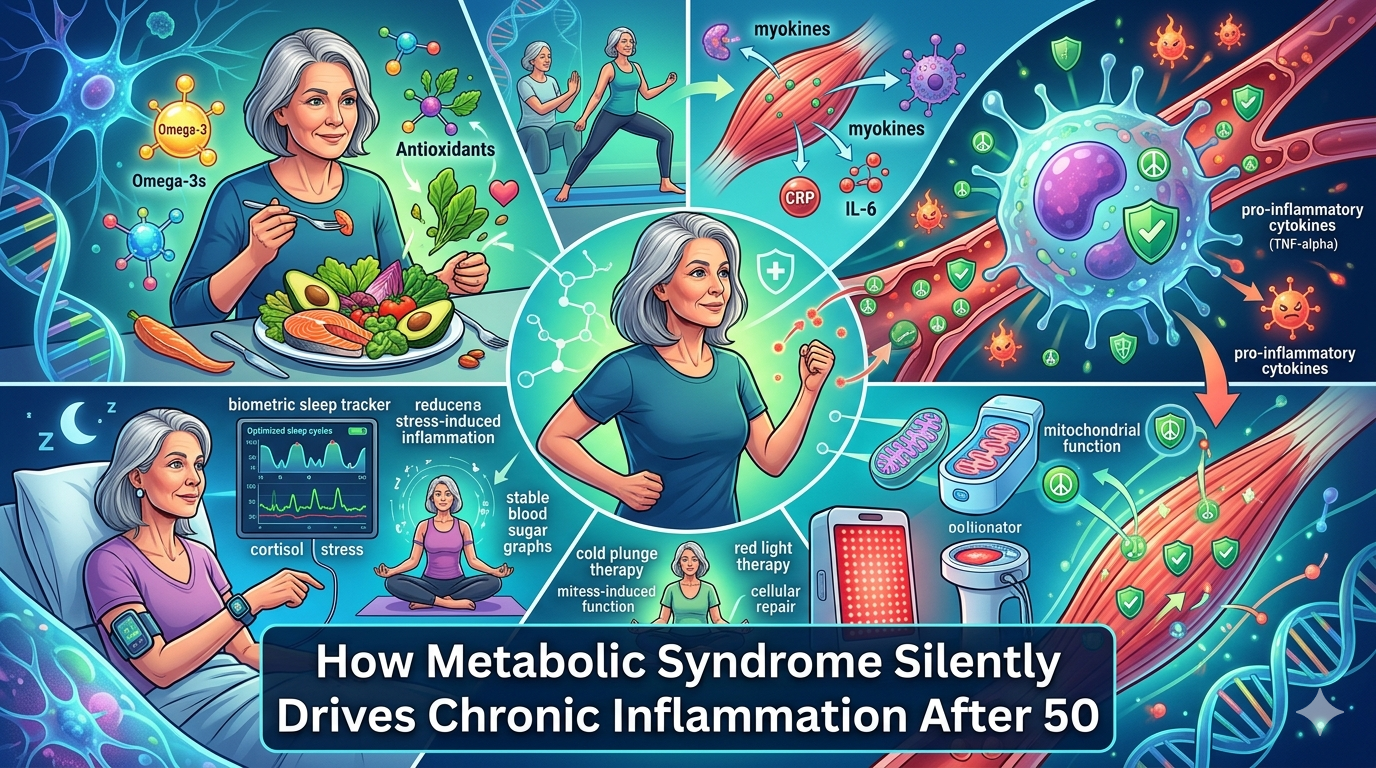
Best Probiotics and Prebiotics for Lowering Inflammation After 50 (Specific Strains That Work)

Best Probiotics and Prebiotics for Lowering Inflammation After 50 (Specific Strains That Work)

Not all probiotics are equal — and after 50, the specific strains you choose can make or break your results. Discover the best probiotics and prebiotics for lowering inflammation, backed by science and specific strain research.

Introduction

Here's a statistic that reframes the entire probiotic conversation for anyone over 50. Research tracking gut microbiome composition across the lifespan has found that adults over 65 have approximately 1,000-fold less Bifidobacterium — one of the most critically important anti-inflammatory bacterial genera — than healthy young adults. A thousand-fold reduction. Not a modest decline. A near-total collapse of one of the gut microbiome's primary anti-inflammatory bacterial populations. And that decline doesn't happen in isolation — it's accompanied by parallel losses in dozens of other beneficial species and corresponding increases in potentially inflammatory bacterial groups that drive chronic endotoxemia, gut barrier compromise, and the systemic inflammatory cascade that connects gut dysfunction to every major age-related disease.

Most people who try probiotics after 50 do one of two things. They grab the most heavily marketed product on the pharmacy shelf, take it for a few weeks, notice nothing dramatic, and conclude that probiotics are overhyped. Or they take a product with dozens of strains and billions of CFUs, assume more is better, and again notice little meaningful change. Both approaches fail for the same reason: they treat probiotics as a generic category rather than a collection of specific biological agents with specific mechanisms, specific targets, and specific evidence bases. The strain specificity of probiotic research is not marketing nuance — it's the entire ballgame.

I spent years taking the wrong probiotics in the wrong doses with the wrong prebiotic support and wondering why my gut symptoms and inflammatory markers weren't changing. When I finally started reading the actual strain-specific research — not the supplement label claims — the picture became dramatically clearer. Specific strains do specific things. The evidence for some strains in reducing specific inflammatory markers is genuinely robust. And the foundation those strains need to thrive — the prebiotic substrate that feeds and sustains them — is as important as the strains themselves.

This article is the strain-specific guide I wish I'd had. We're going to cover exactly which probiotic strains have the strongest evidence for inflammation reduction after 50, how prebiotics amplify their effects, how to combine them intelligently into a synbiotic protocol, and how to track whether your gut intervention is actually working. No vague recommendations, no CFU-count obsession, no strains chosen for marketing rather than evidence. Let's get specific.

For those ready to go deeper on the best probiotics and prebiotics for lowering inflammation, The Prime Reset offers comprehensive resources for anyone serious about addressing inflammation at its root.

Why the Aging Gut Microbiome Drives Inflammation — A Quick Recap

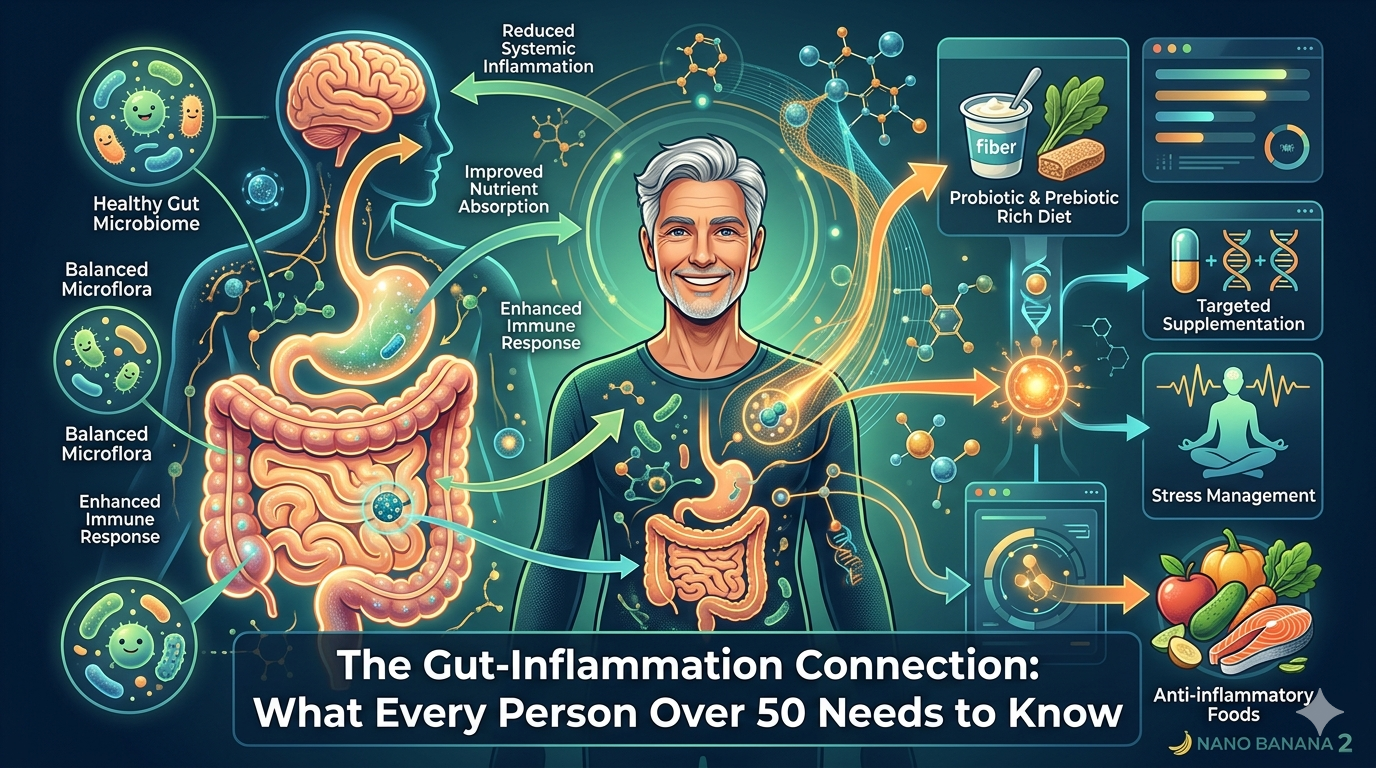
We covered the gut-inflammation connection in depth in article four of this series, but a focused recap is worth including here to frame the specific strain and prebiotic recommendations that follow. Understanding what's broken helps you understand why the specific fixes work.

The aging gut microbiome undergoes characteristic compositional shifts that create the conditions for chronic inflammation. The most significant change is the dramatic decline in Bifidobacterium species — the genera responsible for producing short-chain fatty acids from dietary fiber, maintaining gut barrier integrity, producing bacteriocins that suppress pathogenic bacteria, and directly modulating immune cell activity toward an anti-inflammatory phenotype. Bifidobacterium species like B. longum and B. bifidum are abundant in healthy young guts and essentially the cornerstone of a well-regulated gut immune system. Their age-related decline removes one of the most important anti-inflammatory anchors in the gut ecosystem.

Lactobacillus species — the other major beneficial bacterial genus — similarly decline with age, though the pattern varies more between individuals. Lactobacillus strains contribute to gut barrier integrity through stimulation of tight junction protein expression, produce lactic acid and hydrogen peroxide that suppress pathogenic bacterial growth, and have direct immunomodulatory effects on gut-associated immune tissue. Their decline removes another critical layer of gut anti-inflammatory protection.

The functional consequence of these beneficial species declines is reduced production of short-chain fatty acids — particularly butyrate. Butyrate is the primary fuel source for colonocytes, the cells that form the gut lining, and is one of the most potent naturally occurring anti-inflammatory compounds in human biology. It directly inhibits NF-κB signaling in immune cells, strengthens tight junction proteins in the gut barrier, promotes regulatory T-cell development, and maintains the mucus layer that protects the gut lining from direct bacterial contact. When SCFA production drops — as it does when butyrate-producing bacteria like Faecalibacterium prausnitzii and Roseburia hominis decline with age — every one of these protective mechanisms weakens simultaneously.

The gap left by declining beneficial species tends to be filled by gram-negative bacteria that produce lipopolysaccharides — the endotoxin fragments that, when they cross a compromised gut barrier, trigger powerful systemic inflammatory responses through TLR4 receptor activation. This chronic low-grade endotoxemia is increasingly recognized as one of the primary mechanisms by which aging gut dysbiosis translates into systemic inflammaging. And critically — this is a reversible process. The right probiotic strains, the right prebiotic substrates, and the right dietary foundation can meaningfully shift the microbiome back toward an anti-inflammatory composition. That shift is what this article is about.

How Probiotics Actually Reduce Inflammation — The Mechanisms

Before diving into specific strains, understanding the mechanisms by which probiotics reduce inflammation clarifies why strain specificity matters so much. Different strains work through different mechanisms — and matching the mechanism to the inflammatory problem produces dramatically better results than choosing strains randomly.

The most direct probiotic anti-inflammatory mechanism is immune cell modulation. Probiotic bacteria interact with gut-associated lymphoid tissue — the massive immune tissue network that surrounds the gut — through pattern recognition receptors on dendritic cells, macrophages, and epithelial cells. Different bacterial surface molecules — lipoteichoic acids, peptidoglycans, specific polysaccharides — engage these receptors in strain-specific ways that produce different immune outcomes. Some strains strongly promote regulatory T-cell development — the immune cells that suppress excessive inflammatory responses and maintain immune tolerance. Others shift macrophage polarization from pro-inflammatory M1 phenotype toward anti-inflammatory M2 phenotype. Others promote IL-10 production — a critical anti-inflammatory cytokine — while suppressing IL-6, TNF-α, and IL-12 production. These effects are not generic — they are highly strain-specific and have been mapped in human clinical trials.

Tight junction strengthening is the second major anti-inflammatory mechanism of specific probiotic strains. Several well-studied strains have been shown to directly upregulate the expression of tight junction proteins — particularly occludin, claudin-1, and ZO-1 — that seal the gaps between gut epithelial cells. By strengthening these molecular zippers, these strains reduce intestinal permeability, preventing LPS and other inflammatory triggers from crossing the gut barrier into the bloodstream. This mechanism directly addresses one of the most significant sources of systemic inflammaging in older adults — chronic LPS endotoxemia from a leaky gut.

Competitive exclusion and niche occupation represent a third anti-inflammatory mechanism. Beneficial probiotic strains compete directly with pathogenic and inflammatory bacterial species for attachment sites on the gut epithelium, for nutrients, and for ecological niche in the gut environment. By occupying binding sites on epithelial cells, Lactobacillus strains physically prevent pathogenic bacteria from adhering and colonizing. By producing bacteriocins, hydrogen peroxide, and organic acids, they create a gut environment that suppresses the growth of gram-negative LPS-producing species. This competitive displacement reduces the abundance of the bacterial species most responsible for endotoxemia-driven inflammation.

The SCFA production pathway is mechanistically indirect but functionally critical. While probiotic strains themselves don't produce significant amounts of butyrate — the primary anti-inflammatory SCFA — they work synergistically with SCFA-producing indigenous bacteria in ways that amplify butyrate production. Lactobacillus and Bifidobacterium species produce lactate and acetate that serve as substrates for butyrate-producing species like Faecalibacterium prausnitzii and Roseburia hominis — feeding the butyrate producers and amplifying the downstream anti-inflammatory effects of butyrate. This cross-feeding relationship is one of the most important reasons why diverse microbial communities produce more butyrate than simplified ones.

The Best Probiotic Strains for Inflammation After 50 — Specific and Evidence-Based

Here is where most probiotic discussions fail — by staying at the genus or species level without specifying strains. Lactobacillus acidophilus and L. acidophilus NCFM are not interchangeable. The strain designation — the specific identifier after the species name — indicates the exact bacterial culture with its specific genetic characteristics, metabolic capabilities, and evidence base. Always look for full strain designations on probiotic labels.

Lactobacillus rhamnosus GG (LGG) is the most extensively studied probiotic strain in the world, with over 1,000 published clinical studies examining its effects. For inflammation specifically, LGG has demonstrated consistent ability to strengthen tight junction protein expression and reduce intestinal permeability in multiple human studies — directly addressing the leaky gut driver of systemic inflammation. It strongly promotes regulatory T-cell development and IL-10 production while suppressing pro-inflammatory cytokine output from activated immune cells. LGG also prevents pathogenic bacterial adhesion to the gut epithelium with particular effectiveness, reducing the colonization of LPS-producing species that drive endotoxemia. For over 50s concerned about gut barrier-driven systemic inflammation, LGG belongs in every foundation probiotic protocol. Effective doses in clinical studies range from 10-100 billion CFU daily.

Bifidobacterium longum — particularly strains B. longum BB536 and B. longum 35624 (Bifantis) — addresses what is arguably the most critical age-related microbiome deficit. B. longum BB536 has been shown in clinical trials to reduce systemic inflammatory markers including CRP and IL-6, improve gut barrier integrity, and modulate immune responses toward reduced inflammatory cytokine production. B. longum 35624 has particularly impressive evidence for direct anti-inflammatory immune modulation — it promotes IL-10 production and regulatory T-cell development through specific interactions with gut dendritic cells, producing systemic reductions in TNF-α and IL-6 that have been documented in human inflammatory bowel disease trials and more broadly in people with elevated inflammatory markers. Replenishing the Bifidobacterium longum that has declined with age is one of the most direct microbiome interventions for inflammaging.

Lactobacillus plantarum 299v is the strain with the strongest evidence specifically for tight junction repair and LPS translocation reduction. Multiple human studies have demonstrated that L. plantarum 299v measurably reduces intestinal permeability, lowers circulating LPS levels, and reduces systemic inflammatory markers. It also produces high amounts of lactate and specific bacteriocins that suppress the pathogenic species most associated with LPS production. For people with known or suspected leaky gut-driven inflammation — characterized by elevated zonulin, LPS antibodies, or unexplained systemic inflammatory activity — L. plantarum 299v is one of the most specifically targeted strains available.

Bifidobacterium infantis 35624 deserves special recognition for its documented effects on specific inflammatory cytokines. Clinical trials in patients with inflammatory bowel conditions have shown that B. infantis 35624 produces significant reductions in serum IL-6, TNF-α, and CRP — the core inflammaging cytokine triad. Its mechanism involves unusually potent stimulation of regulatory T-cell development through a specific interaction with plasmacytoid dendritic cells in gut-associated lymphoid tissue. This strain essentially teaches the immune system to be less reactive — a particularly valuable property for the dysregulated, pro-inflammatory immune state characteristic of immunosenescence after 50.

Lactobacillus reuteri — particularly strains ATCC PTA 6475 and DSM 17938 — has generated considerable interest for its ability to modulate inflammatory cytokine balance through a unique mechanism. L. reuteri produces reuterin — a broad-spectrum antimicrobial compound — and has been shown to specifically suppress TNF-α production from activated macrophages while promoting IL-10. Research has also documented L. reuteri's effects on bone health through its ability to reduce the bone-resorbing effects of inflammatory cytokines — particularly relevant for over-50 women experiencing menopause-related bone loss alongside inflammatory changes. L. reuteri ATCC PTA 6475 at 100 million CFU daily has shown anti-inflammatory and bone-protective effects in human trials.

Akkermansia muciniphila occupies a special position in the gut inflammation discussion because it is technically not a probiotic in the traditional sense — it's an indigenous gut bacterium that declines dramatically with age, poor diet, and antibiotic exposure — but it's now available as a supplemental strain and has generated extraordinary research attention. Akkermansia lives in and feeds on the mucus layer of the gut, maintaining its thickness and integrity. By preserving the mucus layer, it maintains the physical barrier that separates gut bacteria from the epithelial surface — preventing the bacterial-epithelial contact that triggers inflammatory responses. Low Akkermansia abundance is consistently associated with obesity, metabolic syndrome, and elevated inflammatory markers. Research has shown that supplemental pasteurized Akkermansia muciniphila safely increases its gut abundance and improves metabolic and inflammatory markers in humans. This strain has rapidly become one of the most discussed gut health innovations in the longevity space.

When reading probiotic supplement labels, look for the complete three-part name (genus, species, strain designation), CFU count guaranteed at expiration rather than manufacture, storage requirements that match the product's actual needs (some strains require refrigeration, others are shelf-stable at room temperature), and ideally references to clinical research using the specific strain rather than the genus or species.

Prebiotics — The Underrated Half of the Gut Inflammation Equation

Probiotics get almost all the attention in gut health conversations, but prebiotics are arguably equally important — and in some contexts, more important — for reducing gut-driven inflammation after 50. A probiotic without an appropriate prebiotic is like planting seeds in infertile soil. The bacteria may be viable, but without the substrate they need to thrive, colonization is transient and functional impact is minimal.

Prebiotics are non-digestible compounds — primarily dietary fibers and some polyphenols — that selectively feed beneficial gut bacteria, promoting their growth, activity, and anti-inflammatory functional output. The selectivity is what matters: a true prebiotic preferentially feeds beneficial species rather than pathogenic ones, shifting the microbiome composition toward a less inflammatory ecosystem.

Inulin and fructooligosaccharides (FOS) are the most studied prebiotic fibers and the ones with the most established evidence base. Derived from chicory root, Jerusalem artichokes, garlic, onions, and leeks, inulin and FOS are selectively fermented by Bifidobacterium and Lactobacillus species — directly feeding the bacterial populations that most need support after 50. Clinical trials supplementing inulin-type fructans have shown increases in fecal Bifidobacterium counts, increased SCFA production, reduced LPS translocation, and lower systemic inflammatory markers including CRP and IL-6. The anti-inflammatory effects appear dose-dependent — most studies showing significant effects use 5-10 grams daily. The practical caution is starting low and increasing slowly, as inulin and FOS can cause significant bloating and gas in people with dysbiotic guts that aren't yet adapted to fermenting them.

Partially hydrolyzed guar gum (PHGG) is the prebiotic I most consistently recommend for people over 50 who have had digestive distress with other fiber supplements. PHGG is a soluble fiber derived from guar beans that has been partially broken down to produce a gentler, more water-soluble form that is exceptionally well-tolerated even in people with irritable bowel syndrome and gut dysbiosis. Clinical research has demonstrated that PHGG selectively increases Bifidobacterium and butyrate-producing bacteria, improves gut transit time, reduces gut permeability markers, and lowers inflammatory cytokines — with a side effect profile dramatically better than most other prebiotic fibers. Doses of 5-10 grams daily dissolved in water or smoothies are practically invisible in terms of texture or taste.

Resistant starch is perhaps the most potent butyrate-production prebiotic available. Unlike regular starches that are digested in the small intestine, resistant starch passes through to the large intestine where it is fermented by butyrate-producing species — particularly Faecalibacterium prausnitzii, Roseburia intestinalis, and Eubacterium rectale — generating substantially more butyrate than most other prebiotic substrates. Natural food sources include cooked and cooled potatoes, cooked and cooled rice, unripe bananas, and legumes. Supplemental resistant starch — particularly high-amylose maize starch — provides a reliable therapeutic dose. Research has shown that resistant starch supplementation significantly increases fecal butyrate levels, reduces gut permeability, lowers LPS levels, and produces measurable reductions in systemic inflammatory markers. Starting dose of 5 grams daily, building to 15-20 grams over several weeks, avoids the gas and bloating that accompanies too rapid an increase.

Beta-glucan is a prebiotic fiber derived from oats and certain medicinal mushrooms that has particularly impressive immune-modulating properties alongside its gut microbiome effects. Beta-glucan binds to Dectin-1 receptors on immune cells — particularly macrophages and dendritic cells — and directly modulates their activity toward a more regulated, less pro-inflammatory response. Simultaneously, it feeds Bifidobacterium and Lactobacillus species in the gut, increasing SCFA production and supporting barrier integrity. The combination of direct immune modulation and microbiome-mediated anti-inflammatory effects makes beta-glucan uniquely valuable in the over-50 context where both immunosenescence and gut dysbiosis are contributing to inflammatory load.

Arabinoxylan — found naturally in whole grains, particularly wheat bran — and pectin — abundant in apple skin and citrus pith — represent emerging prebiotic options with growing evidence for specific anti-inflammatory effects. Arabinoxylan has been shown to selectively increase Bifidobacterium and Prevotella species associated with anti-inflammatory SCFA production. Pectin feeds Akkermansia muciniphila specifically — making it an excellent complement to Akkermansia supplementation. Including diverse prebiotic fibers from food and strategic supplements feeds a broader range of anti-inflammatory bacterial species than any single prebiotic can achieve.

Synbiotics — Combining Probiotics and Prebiotics for Maximum Effect

The combination of probiotics and specific prebiotics — synbiotics — consistently outperforms either intervention alone in clinical research, and understanding why helps you build the most effective gut inflammation protocol possible.

The primary advantage of synbiotics over probiotics alone is colonization support. Probiotic strains consumed as supplements face an extraordinary gastrointestinal gauntlet — stomach acid, bile salts, pancreatic enzymes, and competition from the existing resident microbiome all challenge their survival and colonization. Most probiotic bacteria that survive transit through the small intestine colonize transiently rather than permanently — they exert their beneficial effects while passing through but don't establish permanent residence in the gut ecosystem. Providing the specific prebiotic substrates that the supplemented probiotic strains preferentially ferment gives those strains a selective growth advantage in the large intestine — improving their colonization, activity, and duration of beneficial effect.

The best synbiotic combinations pair specific probiotic strains with the specific prebiotic fibers those strains are most efficient at fermenting. Bifidobacterium strains paired with inulin-type fructans — their preferred substrate — show consistently enhanced colonization and anti-inflammatory efficacy compared to Bifidobacterium alone. Lactobacillus strains paired with arabinoxylan or pectin show similar enhancement. And butyrate-producing indigenous species — which aren't typically supplemented as probiotics but are supported by probiotic activity — are best fed with resistant starch and PHGG.

Fermented foods function as natural synbiotics because they contain both live beneficial bacteria and the fermentation substrates those bacteria have been thriving in. Kefir contains a diverse community of Lactobacillus and Bifidobacterium species alongside milk oligosaccharides and fermented lactose that support their activity. Kimchi contains Lactobacillus species alongside fermented vegetable fiber that feeds beneficial bacteria. Miso and tempeh provide beneficial Lactobacillus species alongside fermented soybean substrates. Making fermented foods a daily dietary habit provides a consistent, diverse synbiotic input that complements targeted probiotic supplementation — and the 2021 Stanford Cell study we referenced in the gut article found fermented food intake more reliably increased microbiome diversity and reduced inflammatory markers than high-fiber intake alone.

Building your own synbiotic stack — rather than relying on commercial synbiotic products — gives you far more control over strain specificity, prebiotic type, and dosing. A practical approach: choose probiotic supplements containing the specific strains identified in H2 3 based on your primary inflammatory concerns, then select prebiotic supplements that match the substrate preferences of those strains, and take them together with a fat-containing meal that supports probiotic survival. Adding daily fermented foods on top of this supplement-based synbiotic creates a layered approach that addresses both the immediate supplementation of specific beneficial strains and the long-term cultivation of a more diverse anti-inflammatory microbiome.


Building Your Personal Probiotic Protocol for Inflammation After 50

Now let's translate everything above into a practical, progressive protocol that actually works in real life — because the research is only valuable if you can implement it consistently.

Start with an honest symptom and baseline assessment. What are your primary gut symptoms — bloating, irregular motility, gas, food sensitivities? What are your inflammation symptoms — joint pain, fatigue, brain fog, skin issues? Do you have any existing inflammatory conditions that suggest a specific gut-immune mechanism? Have you had multiple antibiotic courses in the past five years? Are you currently on PPIs or other gut-affecting medications? These questions direct your strain selection. Significant gut permeability symptoms point toward L. plantarum 299v and L. rhamnosus GG. Systemic inflammatory markers suggest B. infantis 35624 and B. longum BB536. Metabolic inflammation points toward Akkermansia muciniphila and B. longum.

Phase one — the foundational phase — lasts four to six weeks and focuses on establishing the most evidence-backed anti-inflammatory strains at therapeutic doses while simultaneously introducing prebiotic support gently. Start with a product containing L. rhamnosus GG and B. longum in a multi-strain format at 10-50 billion CFU daily, taken with a meal. Simultaneously introduce PHGG at 5 grams daily — it's the gentlest prebiotic for people with dysbiotic guts — building to 10 grams over two weeks. Add two to three daily servings of fermented foods. During this phase, expect some initial digestive adjustment — mild gas and bloating in the first one to two weeks is normal and typically resolves as the microbiome adapts.

Phase two — the therapeutic phase — begins after the foundation is established and adds more targeted strain and prebiotic intervention. This is where you layer in L. plantarum 299v for gut barrier repair, B. infantis 35624 for cytokine modulation, and L. reuteri for TNF-α suppression and bone protection. Add resistant starch at 5 grams daily, building to 15 grams over three to four weeks. Consider Akkermansia muciniphila as a standalone supplement if microbiome testing or metabolic markers suggest low abundance. This phase is where most people begin noticing meaningful improvements in energy, gut comfort, joint symptoms, and cognitive clarity.

Phase three — the maintenance phase — focuses on sustaining microbiome gains through dietary diversity, strain rotation, and consistent prebiotic support rather than continuous high-dose supplementation. Rotating through different probiotic strain combinations every four to six weeks prevents the microbiome from adapting to a single strain input and maintains the diversity stimulus. Continuing fermented foods daily, prebiotic fiber variety at 25-30 grams total daily from food and supplements, and periodic high-diversity probiotic pulsing maintains and progressively builds on the anti-inflammatory microbiome gains established in phases one and two.

Tracking progress objectively is essential for knowing whether your protocol is working. High-sensitivity CRP every three months provides direct measurement of systemic inflammatory change. Digestive symptom scoring weekly — using a simple 0-10 scale for bloating, regularity, and comfort — tracks gut-specific improvement. Energy and cognitive clarity tracked daily in a simple journal reveals the systemic anti-inflammatory effects of microbiome improvement. And if budget allows, a comprehensive stool microbiome test at baseline and after three to six months of consistent intervention provides the most direct evidence of microbiome compositional change — letting you see whether the strains you're supplementing have actually shifted your gut ecosystem toward a more anti-inflammatory profile.


Advanced Gut Biohacking Tools for Inflammation Control After 50

With the foundational probiotic and prebiotic protocol established, these advanced tools provide deeper insight, greater precision, and additional mechanisms for optimizing gut-driven inflammation after 50.

Comprehensive gut microbiome testing has become considerably more accessible and informative over the past five years. Viome's gut intelligence test provides functional analysis of what your gut microbiome is actually producing — not just which species are present, but which metabolic pathways are active and what the resulting output means for inflammation and health. Genova Diagnostics GI Effects is a clinically oriented comprehensive stool analysis that measures multiple inflammation markers directly from stool (calprotectin, secretory IgA, eosinophil protein X), alongside microbiome composition analysis and functional digestive markers. Doctor's Data Comprehensive Stool Analysis provides similarly detailed clinical data. These tests identify the specific microbial deficits and imbalances driving your individual inflammatory pattern — allowing you to target your probiotic and prebiotic choices with precision rather than using a one-size-fits-all approach.

Postbiotics represent one of the most exciting emerging frontiers in gut inflammation science. Postbiotics are defined as preparations of inanimate microorganisms or their components — including bacterial cell wall fragments, metabolites like SCFA, and specific proteins — that confer health benefits independently of live bacteria. The advantage of postbiotics is stability — they don't require the survival challenges that live probiotics face — and specificity — specific bacterial metabolites can be delivered at defined doses without dependence on gut fermentation. Tributyrin — a butyrate prodrug that delivers butyrate directly to the colon — is among the most clinically relevant postbiotic supplements for inflammation, bypassing the need for adequate butyrate-producing bacteria and providing the anti-inflammatory SCFA directly. Early clinical research on tributyrin for gut barrier integrity and inflammatory marker reduction is promising.

Spore-forming probiotics — particularly Bacillus coagulans and Bacillus subtilis strains — have a structural advantage over conventional Lactobacillus and Bifidobacterium probiotics in terms of gastric survival. These bacteria form protective spores that survive stomach acid, bile, and pancreatic enzymes with far greater reliability than conventional probiotic strains, germinating in the more favorable environment of the large intestine. Research on Bacillus coagulans MTCC 5856 has shown anti-inflammatory effects including reductions in CRP and improvements in gut symptoms that may partly reflect its superior survival through the gastric environment. For people who have tried conventional probiotics without success, spore-forming strains are worth including in the protocol.

Time-restricted eating enhances probiotic effectiveness through several mechanisms. The fasting period allows the migrating motor complex — the gut's cleaning cycle — to sweep residual food and bacteria through the intestines, preventing small intestinal bacterial overgrowth that would compete with probiotic colonization in the large intestine. Fasting periods also reduce the inflammatory LPS burden in the gut by allowing mucus layer regeneration and tight junction repair. And the circadian alignment of eating and fasting supports the microbial circadian rhythms that regulate optimal anti-inflammatory bacterial activity. Taking probiotics at the first meal of the eating window — when gut conditions are most favorable after the overnight fast — may optimize their transit and colonization.

Exercise is one of the most consistently supported environmental modulators of gut microbiome composition. Regular aerobic exercise — particularly Zone 2 intensity — consistently increases the abundance of butyrate-producing species including Faecalibacterium prausnitzii and Roseburia intestinalis, independently of dietary changes. The mechanisms include improved gut motility, reduced gut permeability through exercise-induced tight junction strengthening, improved blood flow to gut tissue, and direct effects of exercise-derived metabolites on bacterial growth environments. Exercising consistently while implementing your probiotic protocol creates a synergistic environment in which both the supplemented strains and the indigenous beneficial bacteria are more likely to thrive.

The future of personalized microbiome medicine for inflammation is moving faster than any other area of gut health research. AI-powered microbiome analysis platforms are developing the capability to predict inflammatory outcomes from microbiome composition with increasing accuracy and to generate personalized dietary and probiotic recommendations based on individual microbiome profiles. Clinical trials of next-generation bacterial therapeutics — highly specific, defined bacterial consortia targeting precise inflammatory mechanisms — are advancing toward clinical availability. And the development of precision postbiotics delivering specific bacterial metabolites at defined doses to specific gut locations represents a genuinely pharmaceutical-grade evolution of the probiotic concept. The field you're entering with today's best evidence is one that will be significantly more powerful within five to ten years.

For those ready to go deeper on the best probiotics and prebiotics for lowering inflammation, The Prime Reset offers comprehensive resources for anyone serious about addressing inflammation at its root.


Conclusion

The connection between gut microbiome composition and systemic inflammation after 50 is one of the most important and most actionable relationships in the entire anti-inflammaging landscape. The specific bacterial species that decline most dramatically with age — Bifidobacterium longum, Lactobacillus plantarum, Faecalibacterium prausnitzii, Akkermansia muciniphila — are precisely the species most critical to maintaining gut barrier integrity, suppressing endotoxemia, and producing the anti-inflammatory SCFAs that regulate inflammatory tone throughout the body. Restoring them with strain-specific probiotics and the prebiotic substrates they need to thrive is among the most targeted gut inflammation interventions available.

The keys to success in probiotic therapy for inflammation after 50 are strain specificity, adequate dosing, prebiotic support, dietary foundation, and consistency over time. Generic multi-strain products chosen for label appeal rather than strain evidence will continue to disappoint. Strain-specific, evidence-guided protocols supported by appropriate prebiotic substrates and a genuinely gut-supportive diet will consistently produce the results that most probiotic users never experience because they never got specific enough.

Start with the foundational strains. Build your prebiotic support gradually. Add fermented foods daily without exception. Introduce more targeted strains in phase two based on your specific inflammatory picture. Track your progress with CRP and symptom scores. And revisit your protocol every three to six months with fresh eyes and updated markers. Gut healing is a process measured in months, not days — but the anti-inflammatory returns on that investment compound powerfully over time.

For those ready to go deeper on the best probiotics and prebiotics for lowering inflammation, The Prime Reset offers comprehensive resources for anyone serious about addressing inflammation at its root.

Please work with a healthcare provider or functional medicine practitioner — ideally one familiar with microbiome-based medicine — particularly if you have diagnosed inflammatory gut conditions, significant systemic inflammatory disease, or are on immunosuppressant medications. And drop your probiotic experiences in the comments below — which strains have worked for you, what hasn't, and what surprised you most. The specificity of strain-level experience sharing from this community is genuinely valuable.
We recommend to read this next!

Continue ReadingBest Probiotics and Prebiotics for Lowering Inflammation After 50 (Specific Strains That Work)

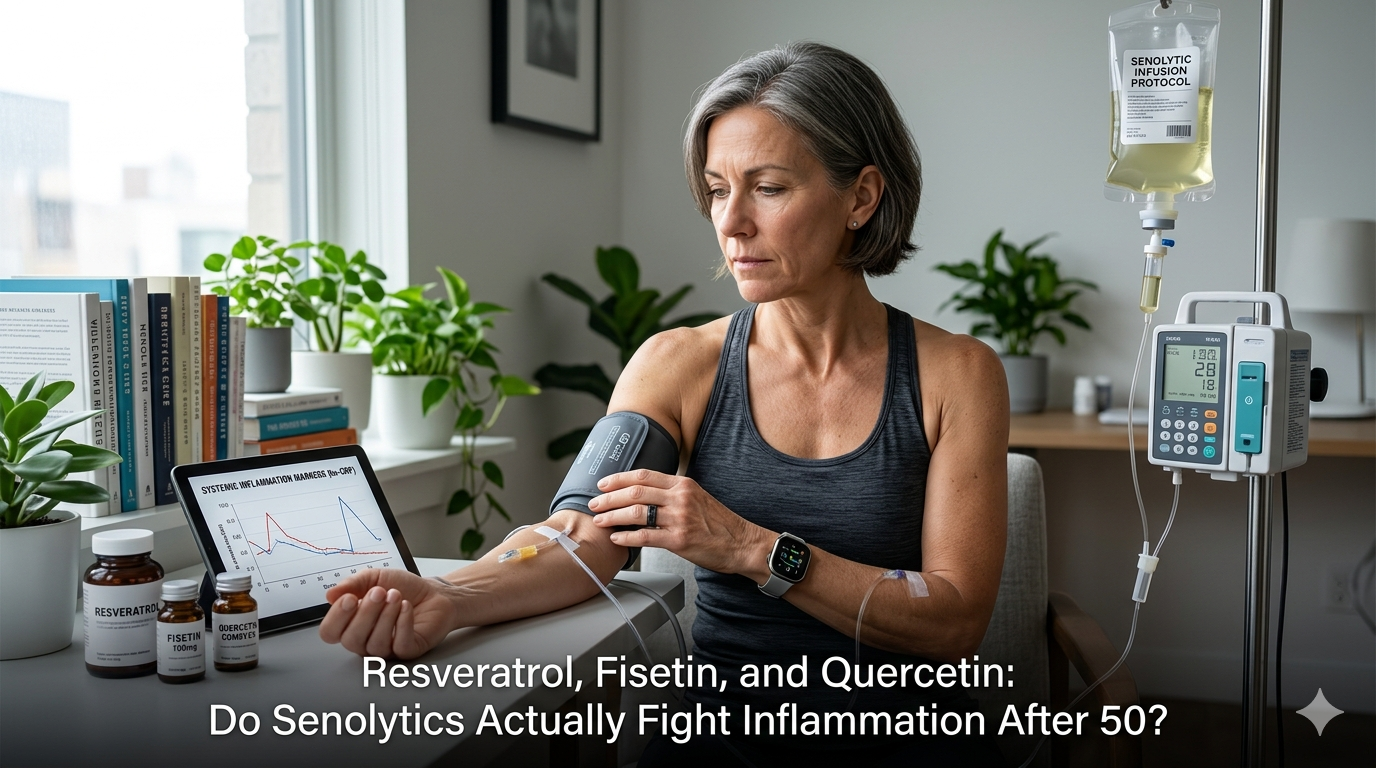
Resveratrol, Fisetin, and Quercetin Do Senolytics Actually Fight Inflammation After 50

Resveratrol, Fisetin, and Quercetin: Do Senolytics Actually Fight Inflammation After 50?

Senolytics like resveratrol, fisetin, and quercetin are generating serious scientific excitement for their ability to clear zombie cells and fight inflammation after 50. Here's what the research actually says — and how to use them.

Introduction

Here's a biological fact that should genuinely alarm anyone over 50 — and motivate them. By the time you reach 60, researchers estimate that somewhere between 10 and 15 percent of cells in certain tissues have become senescent. These are cells that have permanently stopped dividing, refused to die, and are actively secreting a toxic cocktail of pro-inflammatory molecules that damage surrounding tissue, recruit immune cells into a state of chronic activation, and collectively drive the kind of systemic inflammation that underpins virtually every major age-related disease. They are, in the most literal biological sense, zombie cells. And they accumulate faster, and cause more damage, with every passing decade after 50.

The idea that you could selectively eliminate these zombie cells — clearing the inflammatory source rather than just managing its downstream effects — is one of the most genuinely revolutionary concepts in modern aging science. The compounds that do this are called senolytics. And three natural senolytics — fisetin, quercetin, and resveratrol — have generated more scientific excitement, more biohacker interest, and more active clinical research than almost any other compounds in the longevity and inflammation space.

But here's the tension I want to be honest about upfront. The science is legitimately exciting and moving fast. The animal research is genuinely compelling. The mechanistic rationale is solid. The early human data is promising. And yet we're still in relatively early days for human clinical trial evidence, and the supplement market — as always — has outrun the science with claims that exceed what the research currently supports. My job in this article is to give you the honest version of both sides: what the research actually shows, what remains speculative, and how to make informed, evidence-guided decisions about incorporating senolytics into your anti-inflammation protocol after 50.

This article is going to walk you through what senescent cells are and why they matter so profoundly, how senolytics work, what the specific research on fisetin, quercetin, and resveratrol actually shows, how to stack and dose them intelligently, and what safety considerations deserve your attention. Let's get into it.

For those ready to go deeper on the connection between senolytics and inflammation, The Prime Reset offers comprehensive resources for anyone serious about addressing inflammation at its root.

What Are Senescent Cells — And Why Do They Drive Inflammation After 50?

To understand why senolytics matter, you first need to understand cellular senescence — not just as a concept, but as a vivid biological reality happening right now in your tissues. Cellular senescence is a state that cells enter when they experience severe or irreparable stress — a kind of cellular emergency brake that prevents damaged cells from dividing and potentially passing on their damage to daughter cells. In the short term, senescence is protective. In the long term, it becomes one of the most significant drivers of chronic inflammation and tissue dysfunction available.

The three primary triggers of cellular senescence are DNA damage, telomere shortening, and oxidative stress. DNA damage from UV radiation, chemical exposures, reactive oxygen species, and the inevitable errors of cellular replication accumulates over a lifetime, and when damage exceeds the cell's repair capacity, the p53 and p21 tumor suppressor pathways trigger a permanent cell cycle arrest — the senescent state. Telomeres — the protective caps at the ends of chromosomes — shorten with each cell division, and when they reach a critically short length, the cell interprets this as DNA damage and enters senescence. Oxidative stress from mitochondrial dysfunction, inflammation, and environmental exposures can independently trigger senescence through activation of p16INK4a, another senescence-enforcing pathway.

What makes senescent cells so damaging is not the fact that they've stopped dividing — it's the SASP, the senescence-associated secretory phenotype. Senescent cells are metabolically hyperactive inflammatory factories. They secrete large quantities of pro-inflammatory cytokines including IL-1α, IL-1β, IL-6, and TNF-α. They release proteases — particularly matrix metalloproteinases — that degrade the extracellular matrix and connective tissue surrounding them. They produce chemokines that recruit additional immune cells to the area. They release reactive oxygen species that damage neighboring cells. They secrete growth factors that can paradoxically promote abnormal cell growth in adjacent tissue. And they release factors that can convert neighboring normal cells into senescent cells themselves — spreading senescence through tissue in what researchers call the bystander effect.

The accumulation of senescent cells with age is exponential rather than linear. Young immune systems efficiently clear senescent cells through NK cell and macrophage-mediated surveillance. But as immunosenescence progresses — the aging of the immune system itself — this senescent cell surveillance becomes less efficient. Senescent cells begin accumulating faster than the aging immune system can clear them. And critically, the SASP secreted by existing senescent cells actively suppresses the immune cells that would normally clear them — a diabolically effective self-preservation strategy that makes the problem progressively worse over time.

The tissue consequences of chronic senescent cell accumulation and their SASP output are far-reaching. In joints, SASP-derived IL-1β and MMPs degrade cartilage and drive synovial inflammation. In adipose tissue, senescent fat cells amplify visceral fat inflammation and worsen insulin resistance. In the brain, senescent microglia and astrocytes produce neuroinflammatory SASP that impairs cognitive function. In blood vessels, senescent endothelial cells and smooth muscle cells promote arterial stiffness and plaque instability. In the gut, senescent intestinal cells compromise barrier integrity. Senescent cell accumulation is not a local problem — it is a systemic inflammatory burden that progressively degrades function across every organ system.

What Are Senolytics — And How Do They Work?

The concept of senolytics emerged from a deceptively elegant scientific question: if senescent cells are so harmful, what if we could selectively kill them? Not all cells — just the senescent ones. The challenge is selectivity. How do you eliminate cells that look chemically different from their neighbors but are embedded in the same tissue?

The answer lies in one of the defining features of senescent cells — their extraordinary resistance to apoptosis, the normal programmed cell death process. Normal cells undergo apoptosis regularly as part of tissue maintenance and renewal. Senescent cells have activated an elaborate set of anti-apoptotic survival pathways that protect them from the cell death signals that would eliminate them. These pathways include BCL-2 family anti-apoptotic proteins, PI3K/AKT signaling, HIF-1α, and several others that collectively make senescent cells essentially immortal — they cannot divide, but they also cannot die normally.

Senolytics exploit this dependency. They target and inhibit the specific anti-apoptotic pathways that senescent cells depend on for survival. Because senescent cells are uniquely dependent on these pathways in ways that normal cells are not, well-designed senolytics can selectively push senescent cells into apoptosis while leaving normal cells unharmed. This selectivity is what makes the senolytic approach fundamentally different from — and potentially superior to — simply suppressing the SASP with anti-inflammatory drugs. Senolytic drugs and compounds don't just mute the inflammatory output of zombie cells. They eliminate the cells that are generating it.

The distinction between senolytics and senomorphics is worth clarifying because these terms appear frequently in the research and are often confused. Senolytics kill senescent cells. Senomorphics — sometimes called senostatics — modulate the SASP without killing the cells, reducing their inflammatory output while leaving the senescent cells alive. Some compounds have primarily senolytic activity, some primarily senomorphic activity, and some — including resveratrol — have properties of both depending on dose and context. Both approaches reduce the inflammatory burden of senescent cells, but through different mechanisms with different implications for dosing strategy.

The history of senolytic research began with pharmaceutical compounds — specifically dasatinib, a cancer drug, which was identified as having senolytic activity against certain senescent cell types, and quercetin, a natural flavonoid, which was found to complement dasatinib's senolytic coverage by targeting different cell types. The landmark 2015 paper from the Mayo Clinic by Kirkland, Tchkonia and colleagues demonstrating that D+Q (dasatinib plus quercetin) extended healthspan in aged mice ignited the entire senolytic field. Subsequent research identified fisetin as an even more potent natural senolytic than quercetin across multiple cell types, and the natural senolytic space has grown rapidly since.

Human clinical trial evidence for natural senolytics is genuinely promising but still developing. Multiple trials of D+Q in humans have shown reductions in senescent cell burden markers and improvements in physical function, frailty markers, and inflammatory cytokines. Natural senolytic trials specifically examining fisetin and quercetin in humans are underway at multiple institutions. The Mayo Clinic has ongoing trials of fisetin in older adults measuring its effects on senescent cell burden, inflammatory markers, and functional outcomes. The results that have emerged so far support the biological plausibility established in animal research, while appropriately tempering the more dramatic efficacy claims.

Fisetin — The Most Potent Natural Senolytic

Fisetin is a flavonol polyphenol found naturally in several fruits and vegetables — strawberries contain the highest concentration, followed by apples, persimmons, grapes, onions, and cucumbers. But here's the practical reality: to achieve the doses being studied for senolytic effects, you'd need to eat implausibly large quantities of strawberries. This is a supplement application, not a dietary one.

Fisetin arrived on the scientific radar in a major way through a landmark 2018 study published in EBioMedicine by researchers at the Mayo Clinic, the University of Minnesota, and other institutions. The study systematically screened a panel of flavonoids for senolytic activity and found that fisetin was by far the most potent natural senolytic tested — more effective than quercetin, luteolin, and the other flavonoids studied at selectively eliminating senescent cells across multiple cell types. In aged mice, a late-life fisetin intervention reduced multiple markers of tissue senescence, improved physical function and tissue homeostasis, and extended median and maximum lifespan. This wasn't a subtle effect — it was substantial enough to generate serious scientific interest and prompt multiple human clinical trials.

Fisetin's primary senolytic mechanism involves inhibition of the PI3K/AKT signaling pathway — one of the key anti-apoptotic survival pathways that senescent cells depend on. When fisetin inhibits AKT in senescent cells, it removes one of their primary survival signals, tipping the balance toward apoptosis. Normal cells, which are not as critically dependent on AKT for survival, are much less affected. Fisetin also inhibits mTOR — another anti-apoptotic pathway — and has been shown to reduce BCL-2 and BCL-xL expression in senescent cells, further compromising their survival machinery.

Beyond its senolytic activity, fisetin has direct anti-inflammatory effects that work through mechanisms independent of senescent cell clearance. It inhibits NF-κB activation, suppresses NLRP3 inflammasome assembly, reduces IL-6 and TNF-α production from activated macrophages, and activates Nrf2 — the master antioxidant transcription factor that upregulates the body's endogenous antioxidant defenses. These direct anti-inflammatory effects mean fisetin provides immediate inflammatory benefit even before its slower-acting senolytic effects accumulate over time.

Fisetin's neuroprotective properties are particularly relevant to the over-50 population concerned about cognitive inflammation and decline. Fisetin has been shown to cross the blood-brain barrier, where it reduces neuroinflammation by suppressing microglial activation, reduces the accumulation of tau pathology in Alzheimer's mouse models, and supports the survival and function of neurons through its antioxidant and anti-inflammatory effects. A clinical trial examining fisetin for Alzheimer's prevention in older adults is currently active, reflecting the seriousness with which the neuroscience community is taking fisetin's brain-protective potential.

Bioavailability is fisetin's most significant practical challenge. Like many flavonoids, fisetin is poorly absorbed from the gut and rapidly metabolized — standard fisetin supplements achieve relatively low systemic concentrations. Several delivery solutions have been developed to address this: liposomal fisetin encapsulates the compound in lipid vesicles that dramatically improve absorption; complexing fisetin with cyclodextrin improves water solubility and bioavailability; and taking fisetin with fat-containing food or alongside phosphatidylcholine improves absorption through lipid-mediated transport.

Dosing strategy for fisetin is one of the most debated practical questions in the senolytic community. Animal studies suggesting senolytic efficacy used doses equivalent to very high human doses taken intermittently rather than continuously. Most practitioners and researchers in the senolytic space recommend a pulse dosing approach for fisetin — specifically 1,000-2,000mg daily for two to three consecutive days per month, rather than a lower daily dose. The rationale is that senolytic activity requires peak tissue concentrations sufficient to push senescent cells into apoptosis — concentrations that may not be achievable with daily low dosing. The pulse approach also has the practical advantage of being more economical and avoiding any potential down-regulation of the pathways fisetin acts on.

Quercetin — The Dual-Action Senolytic and Anti-Inflammatory

Quercetin is the most widely studied flavonoid in human research and one of the most ubiquitous polyphenols in the human diet — found in onions, apples, capers, berries, broccoli, and many other plant foods. It was identified as having senolytic activity in the original Mayo Clinic senolytic research that also identified dasatinib, and it remains the most clinically studied natural senolytic compound in human trials.

What makes quercetin particularly interesting as a senolytic is its complementary mechanism to dasatinib — and by extension, its complementary mechanism to fisetin. While fisetin primarily targets PI3K/AKT pathways, quercetin's senolytic activity involves inhibition of BCL-2 and BCL-xL anti-apoptotic proteins, inhibition of PI3K, and modulation of several other survival pathways. Because different senescent cell types depend on different anti-apoptotic pathways for survival, combining compounds with complementary senolytic mechanisms provides broader coverage across the diverse population of senescent cells in aging tissue. The quercetin plus dasatinib combination was specifically designed around this complementarity — and the same logic supports combining quercetin with fisetin for a natural senolytic stack.

The human clinical evidence for quercetin's senolytic effects is more developed than for fisetin, largely because it has been studied longer in combination with dasatinib. Multiple published human trials of D+Q have shown reductions in senescent cell burden markers in adipose tissue biopsies, reductions in circulating SASP factors including IL-6, IL-1α, and MMP-9, improvements in physical function measures, and in one significant trial of patients with idiopathic pulmonary fibrosis — a disease characterized by excessive senescent cell accumulation — meaningful improvements in disease markers. These results establish biological activity in humans, though natural quercetin trials without dasatinib are still accumulating data.

Quercetin's anti-inflammatory activity beyond its senolytic role is extensive and well-documented across decades of research. It is one of the most potent natural inhibitors of the NLRP3 inflammasome — directly blocking the assembly of this major inflammatory sensor that drives IL-1β and IL-18 production. It inhibits NF-κB transcriptional activity, reducing the expression of dozens of pro-inflammatory genes simultaneously. It inhibits COX-1 and COX-2 enzymes — the same targets as NSAID drugs — reducing prostaglandin-mediated inflammation and pain. It stabilizes mast cells, reducing histamine release and allergic inflammatory responses. And it modulates the gut microbiome toward a less inflammatory composition — increasing Akkermansia muciniphila and Bifidobacterium species that support gut barrier integrity and reduce LPS translocation.

Quercetin's bioavailability from standard supplements is notoriously poor — absorption rates from crystalline quercetin can be as low as 1-3% in some studies. Several delivery systems significantly improve this. Quercefit (quercetin phytosome — quercetin complexed with sunflower phospholipids) shows approximately 20-fold better bioavailability than standard quercetin. Quercetin combined with bromelain — a proteolytic enzyme from pineapple — enhances absorption and adds complementary anti-inflammatory activity. Quercetin dihydrate has somewhat better solubility than anhydrous quercetin. And as with fisetin, consuming any quercetin supplement with fat-containing food improves absorption through lipid transport mechanisms.

Dosing for quercetin as part of a senolytic protocol mirrors the pulse approach used for fisetin — 500-1000mg daily using a bioavailable form, taken for five consecutive days per month to achieve senolytic-relevant tissue concentrations. For the direct anti-inflammatory effects of quercetin independent of senolytic activity, lower daily doses of 250-500mg in a bioavailable form provide ongoing NLRP3 and NF-κB suppression. Safety data on quercetin is extensive given its long history of human research — it's generally well-tolerated at doses up to 1,000mg daily, with the primary concern being drug interactions we'll address in the safety section.

Resveratrol — The Sirtuin Activator That Fights Inflammaging

Resveratrol's story begins with a genuine scientific mystery — the French paradox. For decades, epidemiologists puzzled over why French populations, despite relatively high saturated fat consumption, had significantly lower rates of cardiovascular disease than other Western populations with similar dietary fat intake. The leading hypothesis that emerged pointed to their consumption of red wine — and specifically to resveratrol, a polyphenol produced by grape skins in response to fungal attack. The excitement around resveratrol in the early 2000s, driven partly by spectacular animal research, ultimately ran ahead of the human evidence — producing a period of inflated expectations followed by a more measured reassessment. Where we stand today is more nuanced and more interesting than either the initial hype or the subsequent backlash suggested.

Resveratrol's primary anti-aging and anti-inflammatory mechanism involves activation of SIRT1 — the sirtuin we discussed in the inflammaging article as a critical regulator of inflammatory gene expression. By activating SIRT1, resveratrol promotes deacetylation and suppression of NF-κB, reducing the transcription of pro-inflammatory genes. It also activates SIRT3, which supports mitochondrial function and reduces the ROS-mediated inflammatory signaling that drives NLRP3 inflammasome activation. Additionally, resveratrol activates AMPK — the metabolic master switch that promotes fat oxidation, mitochondrial biogenesis, and anti-inflammatory metabolic programming. These mechanisms collectively position resveratrol as a powerful senomorphic compound — one that reduces the SASP output of senescent cells and suppresses inflammatory signaling throughout the body, even in non-senescent cells.

The senolytic vs. senomorphic classification of resveratrol is genuinely nuanced. At lower doses, resveratrol appears to function primarily as a senomorphic — reducing SASP production without necessarily killing senescent cells. At higher doses and in specific cell types, some research has found resveratrol exhibits senolytic activity. For practical purposes, most researchers position resveratrol as a senomorphic complement to genuinely senolytic compounds like fisetin and quercetin — addressing the SASP of cells that senolytics haven't yet cleared, while the senolytics progressively reduce the total senescent cell burden.

The bioavailability problem with resveratrol is significant and well-documented. Resveratrol is absorbed reasonably well from the gut but undergoes extremely rapid first-pass metabolism in the liver and intestinal wall, meaning that by the time resveratrol-derived metabolites reach systemic circulation, the intact resveratrol molecule is present in very low concentrations. Several approaches address this: taking resveratrol with fat improves absorption; combining with piperine (black pepper extract) slows metabolism and increases systemic availability; micronized resveratrol products achieve better dissolution and absorption; and liposomal delivery systems provide the most dramatic bioavailability enhancement.

Pterostilbene is the resveratrol analog that many researchers and practitioners now prefer for its superior pharmacokinetics. Pterostilbene is structurally similar to resveratrol but with two methoxy groups instead of two hydroxyl groups — a small structural change that dramatically improves metabolic stability, cellular uptake, and oral bioavailability. Studies comparing pterostilbene and resveratrol directly have generally found pterostilbene to produce higher systemic concentrations at equivalent doses. Many current formulations combine resveratrol and pterostilbene together to leverage both the more extensive research base of resveratrol and the superior bioavailability of pterostilbene.

The synergy between resveratrol and NAD+ precursors deserves specific attention because it represents one of the most mechanistically grounded stacking rationales in the entire longevity supplement space. Resveratrol activates SIRT1 — but sirtuin activity requires NAD+ as an essential cofactor. If NAD+ is depleted — as it inevitably is after 50 — there isn't enough NAD+ for the activated SIRT1 to actually do its job. Conversely, restoring NAD+ levels through NMN or NR without activating SIRT1 doesn't fully leverage the increased NAD+ availability. Combining resveratrol (SIRT1 activator) with NMN or NR (NAD+ precursor) provides both the enzyme and the fuel — a combination that Dr. David Sinclair at Harvard has championed based on his research and personal practice. Clinical evidence for this specific combination in humans is still developing, but the mechanistic rationale is among the strongest in the supplement stacking field.

Dosing for resveratrol ranges considerably in the literature. Most human studies have used doses of 150-1,000mg daily. For the SIRT1 activation and anti-inflammatory benefits, 200-500mg of trans-resveratrol (the active isomer) or 100-200mg of pterostilbene daily is a reasonable range. Timing in the morning with a fat-containing meal is generally recommended for absorption.


How to Stack Senolytics for Maximum Anti-Inflammatory Effect After 50

Understanding the individual compounds is valuable — but the real power of the senolytic approach comes from combining them intelligently. Here's how to build a senolytic stack that maximizes anti-inflammatory and anti-inflammaging effects while managing practical and safety considerations.

The case for combining fisetin and quercetin rests on their complementary mechanisms. Fisetin primarily targets PI3K/AKT survival pathways in senescent cells. Quercetin primarily targets BCL-2 family anti-apoptotic proteins. Different senescent cell types in different tissues have different dependencies on these pathways — some rely more heavily on AKT, others on BCL-2. Using both compounds provides broader senolytic coverage across the heterogeneous population of senescent cells in aging tissue, addressing a wider range of zombie cell types than either compound alone. Animal research using fisetin and quercetin together has shown additive to synergistic senolytic effects compared to either compound alone.

Adding resveratrol or pterostilbene to the fisetin-quercetin senolytic base provides senomorphic complementarity — addressing the SASP output of senescent cells that the senolytics haven't yet fully cleared. While fisetin and quercetin work to eliminate senescent cells, resveratrol reduces the inflammatory output of surviving senescent cells through SIRT1-mediated NF-κB suppression. It also provides direct anti-inflammatory protection throughout all non-senescent cells — essentially raising the systemic anti-inflammatory tone while the senolytics progressively reduce the senescent cell burden that generates it.

The pulse dosing protocol for the senolytic components — fisetin and quercetin — is where most practitioners converge based on available research and biological rationale. A typical monthly senolytic pulse might look like this: days one through three, fisetin at 1,000-2,000mg daily plus quercetin at 500-1,000mg daily in bioavailable forms with fat-containing food. Then return to daily anti-inflammatory maintenance dosing for the remainder of the month: resveratrol or pterostilbene at 200-500mg daily, quercetin at 250-500mg daily for ongoing NLRP3 and NF-κB suppression. This approach uses the pulse for genuine senolytic tissue concentrations while maintaining daily anti-inflammatory protection between pulses.

The timing of senolytic pulses relative to other health interventions matters. Some practitioners recommend scheduling senolytic pulses during periods of relative physiological recovery — not during the acute recovery phase immediately following heavy exercise or illness, when cellular stress and inflammatory activity are already elevated. A consistent day of the month — perhaps the first weekend of each month — makes the pulse protocol easier to maintain and track over time.

Combining senolytics with NAD+ precursors, omega-3s, and mitochondrial support compounds creates a comprehensive anti-inflammaging stack that addresses multiple inflammatory drivers simultaneously. NMN or NR at 500mg daily provides the NAD+ fuel that makes resveratrol's SIRT1 activation maximally effective. Omega-3s at 2-3g combined EPA/DHA suppress the pro-inflammatory cytokine environment in which senescent cells thrive, reducing SASP amplification. CoQ10 ubiquinol supports mitochondrial function, reducing the ROS-mediated triggers that push new cells into senescence in the first place. This multi-pronged approach doesn't just address existing senescent cells — it reduces the rate at which new senescent cells are generated.

Tracking senolytic effectiveness requires objective biomarker monitoring. High-sensitivity CRP measured every three months tracks the systemic inflammatory burden that senescent cell SASP contributes to. IL-6 and TNF-α provide more specific senescent cell SASP markers. Biological age testing through an epigenetic clock at baseline and after six to twelve months of consistent senolytic practice provides the most comprehensive measure of whether the protocol is actually reversing cellular aging. Physical function markers — grip strength, walking speed, exercise recovery time, sleep quality — provide accessible real-world indicators of whether the biology is improving. And subjective markers — joint pain, energy, cognitive clarity, and general sense of vitality — are worth tracking weekly in a simple journal alongside the objective biomarker data.


The Safety Profile, Drug Interactions, and Who Should Be Cautious

The generally favorable safety profiles of fisetin, quercetin, and resveratrol are one of the genuine advantages of natural senolytics compared to pharmaceutical alternatives like dasatinib, which carries significant immunosuppressive and cardiac toxicity risks. However, “natural” does not mean without considerations, and several drug interactions and contraindications warrant careful attention.

Fisetin's safety data is more limited than quercetin's given its more recent emergence as a supplement target, but available animal and human data suggest good tolerability at doses up to 2,000mg for short pulse periods. The primary safety consideration for fisetin is its PI3K/AKT inhibitory activity — this pathway plays important roles in insulin signaling, and people with diabetes or on diabetes medications should monitor glucose more carefully when using fisetin at senolytic doses. Fisetin also has mild antiplatelet activity that could theoretically interact with anticoagulant medications.

Quercetin's safety profile is extensively documented given decades of research. It is generally well-tolerated at doses up to 1,000mg daily in most adults. The most significant drug interaction concerns involve its inhibition of cytochrome P450 enzymes — specifically CYP3A4, CYP2C8, and CYP2C9 — which are responsible for metabolizing a wide range of common medications including blood thinners like warfarin, certain antibiotics, immunosuppressants, and some cardiovascular drugs. If you're on any of these medications, quercetin supplementation requires discussion with your physician. Quercetin also has mild anticoagulant effects that are additive with blood thinners. At very high doses, quercetin has shown kidney toxicity in animal studies — though this has not been observed in human studies at typical supplemental doses.

Resveratrol's safety data from multiple human trials is generally reassuring. At doses up to 1,000mg daily, resveratrol is well-tolerated by most adults. Its primary drug interaction concern is also CYP450 enzyme inhibition — CYP3A4 and CYP2C9 — with similar implications for medications metabolized by these enzymes. At doses above 1,000mg, some individuals experience gastrointestinal side effects including nausea and diarrhea. Resveratrol has estrogen receptor modulating activity that has raised questions about its use in people with hormone-sensitive cancers — this is an area requiring physician discussion rather than self-management.

Who should approach senolytics with particular caution or explicit medical supervision? People on anticoagulant medications like warfarin or direct oral anticoagulants. Anyone on immunosuppressant drugs. People with hormone-sensitive cancers or a history thereof. Anyone on medications metabolized by CYP3A4 or CYP2C9 — which covers a surprisingly broad range of common drugs including some statins, calcium channel blockers, and antibiotics. Pregnant or breastfeeding women. And anyone with significant kidney or liver disease, where the metabolism and excretion of these compounds may be impaired.

Realistic expectations for natural senolytics are important to articulate clearly. These are not drugs with the dramatic acute effects of pharmaceuticals like dasatinib. Natural senolytics work gradually, through cumulative senescent cell clearance and sustained anti-inflammatory activity over months of consistent use. Most people following a well-designed senolytic protocol report gradual improvements in energy, joint comfort, exercise recovery, and cognitive clarity over three to six months — with the most objective evidence of effect emerging in inflammatory biomarker and biological age testing over six to twelve months.

The future of senolytic research is genuinely exciting. Multiple human clinical trials of fisetin, quercetin, and combination senolytic protocols are currently active or recruiting at major research institutions including Mayo Clinic, Wake Forest, and University of Minnesota. Unity Biotechnology, Oisin Biotechnologies, and several other biotech companies are developing next-generation pharmaceutical senolytics with improved selectivity and potency. The field is moving fast. What we know now is compelling and mechanistically grounded — and what we'll know in five years will likely be substantially more definitive.

For those ready to go deeper on the connection between senolytics and inflammation, The Prime Reset offers comprehensive resources for anyone serious about addressing inflammation at its root.


Conclusion

Senolytics represent a genuinely novel approach to chronic inflammation after 50 — one that targets a root biological cause rather than downstream symptoms. The science of cellular senescence and the SASP is robust and well-established. The mechanistic rationale for clearing senescent cells to reduce systemic inflammatory burden is compelling. And the research on fisetin, quercetin, and resveratrol — while still developing in human clinical trials — is more than promising enough to justify serious consideration as part of a comprehensive anti-inflammaging protocol.

The honest summary is this. Fisetin is the most potent natural senolytic identified to date and the most exciting emerging option, with strong preclinical data and active human trials. Quercetin has the most developed human evidence base, meaningful direct anti-inflammatory effects beyond senolytics, and a complementary mechanism to fisetin that makes them an intelligent stack. Resveratrol is most accurately positioned as a senomorphic and sirtuin activator — valuable for reducing SASP output and amplifying NAD+ supplementation effects, but not primarily a senolytic. Together, these three compounds address multiple aspects of the senescent cell-driven inflammation problem from complementary angles.

Approach senolytics with informed optimism rather than either dismissal or uncritical enthusiasm. Use bioavailable forms. Follow pulse dosing for senolytic effects. Stack intelligently with NAD+ precursors and direct anti-inflammatories. Track your results objectively with inflammatory biomarkers and biological age testing. And please — have a conversation with your healthcare provider before starting, particularly if you're on medications that interact with CYP450 enzymes or anticoagulants.

For those ready to go deeper on the connection between senolytics and inflammation, The Prime Reset offers comprehensive resources for anyone serious about addressing inflammation at its root.

The zombie cells driving your inflammation after 50 are not invincible. The science for clearing them has arrived. The question is whether you're going to use it. Drop your questions and experiences in the comments below — this is exactly the kind of topic where community knowledge and real-world experience matters enormously alongside the research.

We recommend to read this next!

Continue ReadingResveratrol, Fisetin, and Quercetin Do Senolytics Actually Fight Inflammation After 50

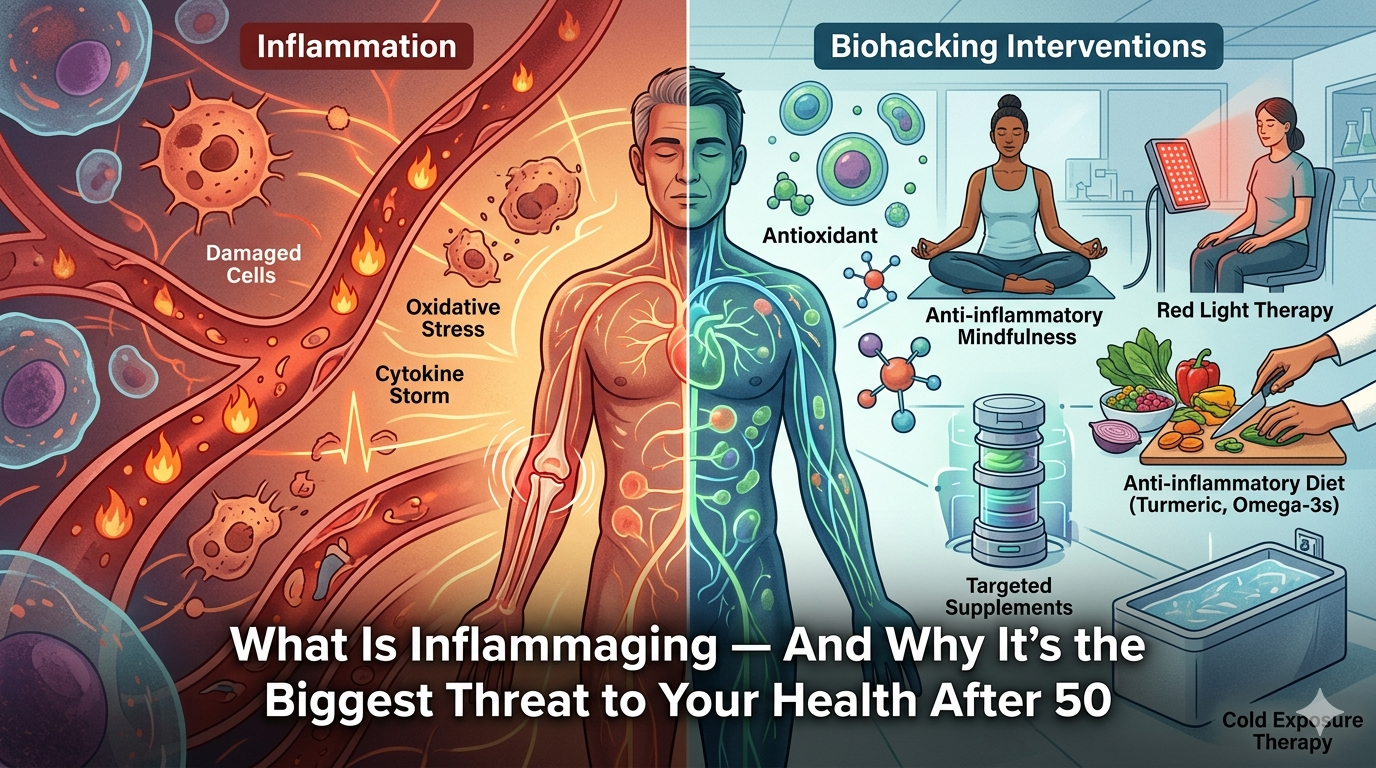
What Is Inflammaging — And Why It’s the Biggest Threat to Your Health After 50

Use up and down arrow keys to resize the meta box pane.Move upMove downToggle panel: Yoast SEOOpen publish panel

  • Post

Use up and down arrow keys to resize the meta box pane.Move upMove downToggle panel: Yoast SEOOpen publish panel

  • Post
  • Paragraph

What Is Inflammaging — And Why It's the Biggest Threat to Your Health After 50

Inflammaging — the chronic low-grade inflammation that drives biological aging — is the silent force behind virtually every major disease after 50. Discover what it is, why it accelerates, and the proven strategies to reverse it.

Introduction

Scientists studying the biology of aging have reached a remarkable consensus over the past two decades. Beneath the surface of virtually every major disease that kills and disables people after 50 — heart disease, Alzheimer's, cancer, type 2 diabetes, osteoarthritis, depression — there is a single common biological thread. Not a pathogen. Not a genetic inevitability. A chronic, low-grade, systemic inflammatory state that silently burns through tissue, accelerates cellular aging, and progressively dismantles the biological systems that keep you healthy, sharp, and functional. That state has a name: inflammaging. And understanding it may be the single most important thing a person over 50 can do for their long-term health.

The term is a portmanteau of inflammation and aging — and it captures something that took decades of research to fully articulate. Aging itself is, at its core, an inflammatory process. Not the dramatic, purposeful inflammation of an immune response to injury or infection — that kind of inflammation is essential and life-saving. Inflammaging is something subtler, more insidious, and ultimately more destructive: a slow, persistent, sterile simmer of immune activation that runs continuously in the background of your biology, year after year, decade after decade, quietly damaging tissue, impairing cellular function, and laying the groundwork for every major chronic disease on the modern mortality list.

I remember the moment this concept landed for me properly. I was reading through research trying to understand why my father, who had always seemed healthy and active, developed cardiovascular disease, then type 2 diabetes, then cognitive decline, all within a span of about eight years after turning 65. These felt like separate problems requiring separate treatments. But the more I read, the more clearly I could see a single inflammatory thread running through all of them — a common biological environment that had been building for years and was now expressing itself as multiple organ systems simultaneously failing. Inflammaging was the common driver. And nobody had ever named it for him or us.

This article is designed to give you the complete picture — what inflammaging actually is at the biological level, what drives it, what diseases it powers, how to measure your own inflammaging status, and most importantly, what you can do to reverse it. The science has advanced dramatically in the last decade, and the practical tools for addressing inflammaging have never been more accessible. Let's get into it.

For those ready to go deeper into the connection between inflammaging and systemic inflammation, The Prime Reset offers comprehensive resources for anyone serious about addressing inflammation at its root.

What Exactly Is Inflammaging — The Science in Plain English

The term inflammaging was coined in 2000 by Italian immunologist Claudio Franceschi and his colleagues, who were studying centenarians and trying to understand what distinguished the biology of the extremely long-lived from people who died at more typical ages. What they found challenged the prevailing assumption that successful aging simply meant the absence of disease. Instead, they observed that aging itself — in virtually all individuals — was characterized by a progressive elevation in circulating pro-inflammatory markers. The longer someone lived, the higher their baseline inflammatory tone tended to be. And the people who survived longest — the centenarians — appeared to have some combination of high inflammatory load and extraordinary compensatory anti-inflammatory capacity that kept the balance tipped away from disease.

Inflammaging is formally defined as a chronic, low-grade, sterile, systemic inflammatory state that develops progressively with age. Each of those adjectives matters. Chronic means it's persistent rather than episodic — it doesn't resolve the way acute inflammation does after an infection or injury. Low-grade means it operates below the threshold of obvious symptoms — you don't have a fever, your joints aren't acutely swollen, your CRP isn't at the dramatic levels seen in acute infection. Sterile means there's no pathogen driving it — it's generated by endogenous cellular damage, not an external infectious agent. And systemic means it's not localized to one tissue or organ — it's circulating throughout the body, affecting multiple organ systems simultaneously.

The distinction between inflammaging and acute inflammation is critical and often misunderstood. Acute inflammation is your body's brilliant emergency response system — when you cut your finger, sprain an ankle, or contract a respiratory infection, acute inflammation floods the damaged area with immune cells, cytokines, and repair signals, eliminates the threat, and then resolves. Resolution is the key word. Acute inflammation has a beginning, a middle, and an end. Inflammaging has no resolution phase. It simply accumulates — gradually, continuously, over years and decades — because the triggers generating it are intrinsic to the aging process itself and cannot be fully eliminated.

The inflammatory markers that characterize inflammaging include elevated circulating levels of IL-6, IL-1β, TNF-α, and C-reactive protein (CRP), along with elevated white blood cell counts, increased fibrinogen, and higher levels of certain clotting factors. These aren't dramatically elevated — someone with inflammaging doesn't look sick on a standard blood panel the way someone with acute infection does. But they're measurably and consistently above the levels seen in younger adults with healthy inflammatory regulation. Research tracking these markers longitudinally has confirmed that their gradual elevation over time reliably predicts the development of virtually every major chronic disease.

The relationship between inflammaging and biological age — as distinct from chronological age — is one of the most important developments in aging science. Two people who are both 60 years old chronologically can have dramatically different biological ages, depending on their inflammaging status and its effects on cellular and tissue function. Biological age can be measured through epigenetic clocks — algorithms that read patterns of DNA methylation and translate them into an estimated biological age. People with higher inflammaging consistently show accelerated biological age relative to their chronological age. And in intervention studies, successful reduction of inflammaging markers is associated with measurable reversal of biological age — suggesting that inflammaging is not just a marker of aging but a driver of it.

The Primary Biological Drivers of Inflammaging After 50

Inflammaging doesn't emerge from a single cause. It's the product of multiple converging biological processes that each generate inflammatory signals, and that mutually reinforce each other in ways that accelerate the overall inflammatory trajectory after 50. Understanding these drivers is the foundation for understanding why the interventions that work against them are the right ones.

Cellular senescence is perhaps the most important and most discussed driver of inflammaging in current aging research. Senescent cells — sometimes called zombie cells — are cells that have permanently stopped dividing in response to DNA damage, telomere shortening, or other cellular stressors. They can't be cleared by normal cellular recycling processes, and they refuse to die. Instead, they linger in tissues and secrete a toxic cocktail of pro-inflammatory cytokines, proteases, and growth factors collectively known as the senescence-associated secretory phenotype, or SASP. Every senescent cell is essentially a small, persistent inflammatory factory embedded in your tissue — and senescent cell burden accumulates progressively with age, driven by cumulative DNA damage, oxidative stress, and the declining efficiency of cellular surveillance systems that would normally clear them. Research has demonstrated that selectively eliminating senescent cells in animal models dramatically reduces systemic inflammation and extends healthy lifespan.

Mitochondrial dysfunction is the second major inflammaging driver, and one we've explored in depth in our first article. Dysfunctional mitochondria leak reactive oxygen species that activate the NLRP3 inflammasome — the intracellular sensor that triggers IL-1β and IL-18 production. They release mitochondrial DNA (mtDNA) into the cytoplasm, where it's recognized by innate immune sensors called cGAS-STING that are normally designed to detect viral DNA. The immune system responds to leaked mtDNA exactly as it would to a viral infection — with a powerful inflammatory cascade. And damaged mitochondria release damaged proteins and lipids that act as damage-associated molecular patterns (DAMPs), further activating innate immune inflammatory responses. As mitochondrial dysfunction accumulates with age, this endogenous inflammatory stimulation becomes continuous rather than episodic.

NAD+ decline removes one of the most important brakes on inflammaging. As discussed in our supplement article, NAD+ levels drop by approximately 50% between the ages of 40 and 60. NAD+ is the essential fuel for sirtuins — particularly SIRT1 and SIRT6 — that directly regulate inflammatory gene expression by deacetylating and suppressing NF-κB activity. When NAD+ is abundant, sirtuins keep NF-κB in check and inflammatory signaling is appropriately regulated. When NAD+ is depleted, sirtuin activity drops, NF-κB activity rises, and the inflammatory gene expression program runs hotter. NAD+ decline is therefore a direct mechanism by which the loss of a regulatory molecule translates into elevated inflammatory output — a molecular switch that flips progressively toward inflammation as we age.

Gut dysbiosis and intestinal hyperpermeability — covered in depth in our gut-inflammation article — are increasingly recognized as major inflammaging accelerators. The age-related loss of gut microbiome diversity, the decline in SCFA-producing beneficial bacteria, and the increased intestinal permeability that develops after 50 together create a continuous source of inflammatory stimulation through chronic LPS translocation into the bloodstream. This endotoxemia is now understood to be one of the primary mechanisms by which gut health changes with age translate into systemic inflammaging.

Immunosenescence — the aging of the immune system itself — is another critical inflammaging driver. As the immune system ages, it undergoes a characteristic shift: adaptive immune function (the targeted, memory-based immune responses handled by T and B cells) declines, while innate immune inflammatory activity (non-specific, generalized inflammatory responses) increases. This shift means the aging immune system becomes simultaneously worse at targeted immune defense and better at generating non-specific chronic inflammation. It's an unfortunate combination — declining protection against genuine threats while increasing the inflammatory background noise that drives tissue damage.

Epigenetic changes — alterations in how genes are expressed without changes to the DNA sequence itself — round out the major inflammaging drivers. With age, DNA methylation patterns shift in ways that progressively increase the expression of pro-inflammatory genes and decrease the expression of anti-inflammatory regulatory genes. These epigenetic changes can be measured by epigenetic clocks and represent a form of biological memory of inflammaging — the cumulative record of inflammatory exposures written into the gene expression machinery. What's both sobering and hopeful about epigenetic changes is that they're influenced by lifestyle — diet, exercise, stress, sleep — meaning that lifestyle interventions can actually shift epigenetic patterns toward a less inflammatory gene expression profile.

How Inflammaging Silently Drives Every Major Disease After 50

One of the most powerful conceptual shifts that understanding inflammaging produces is seeing the major diseases of aging not as separate conditions with separate causes but as different tissue-specific expressions of a common inflammatory state. The research supporting this unified view is extensive and compelling.

Cardiovascular disease is the most deadly consequence of inflammaging, and the mechanisms are well characterized. Chronic low-grade inflammation drives endothelial dysfunction — damage to the inner lining of blood vessels that initiates atherosclerotic plaque formation. IL-6 and TNF-α from inflammaging promote the oxidation of LDL cholesterol and its uptake by macrophages in the arterial wall, creating the foam cells that are the foundation of plaque. CRP directly promotes blood clotting by stimulating fibrinogen production, increasing the risk of the thrombotic events that turn stable plaque into fatal heart attacks and strokes. Elevated IL-6 from inflammaging is now one of the most robust predictors of future cardiovascular events in large population studies — stronger in some analyses than traditional risk factors like LDL cholesterol.

Alzheimer's disease and cognitive decline have undergone a fundamental reframing in the past decade. While the amyloid hypothesis — the idea that Alzheimer's is caused by the accumulation of amyloid-beta plaques in the brain — has dominated research for years, it has consistently failed to produce effective treatments. The emerging understanding positions neuroinflammation as a primary driver rather than a secondary consequence of Alzheimer's pathology. Inflammaging-associated inflammatory cytokines cross the blood-brain barrier and activate microglia — the brain's resident immune cells. Chronically activated microglia produce their own inflammatory signals that damage neurons, impair synaptic function, and promote tau pathology. This neuroinflammatory environment both promotes amyloid accumulation and impairs the clearance mechanisms that would normally remove it. Inflammaging of the peripheral immune system feeds directly into brain inflammation.

Type 2 diabetes and metabolic syndrome are both causes and consequences of inflammaging in a bidirectional relationship we've explored in detail in earlier articles. Inflammatory cytokines — particularly TNF-α and IL-6 — directly impair insulin receptor signaling in muscle, liver, and fat tissue, driving insulin resistance. Insulin resistance generates more visceral fat, which generates more inflammatory cytokines, which worsen insulin resistance further. The inflammaging-metabolic disease relationship is a vicious cycle that, once established, is self-reinforcing and progressive without deliberate intervention.

Cancer risk is profoundly elevated by chronic inflammaging, and the mechanisms are multiple. NF-κB activation — a central feature of inflammaging — promotes the transcription of genes that support tumor cell survival, proliferation, and invasion. Chronic inflammation generates reactive oxygen and nitrogen species that cause DNA mutations, the initiating events of carcinogenesis. Inflammatory cytokines suppress immune surveillance — the natural mechanism by which the immune system recognizes and destroys nascent tumor cells. And the inflammatory microenvironment created by inflammaging promotes angiogenesis — the development of new blood vessels that feed growing tumors. The epidemiological evidence connecting chronic inflammation to cancer incidence is extensive and spans virtually every major cancer type.

Osteoarthritis, depression, and sarcopenia complete the picture of inflammaging as a universal driver of age-related decline. Osteoarthritic joint destruction is driven substantially by synovial inflammation and MMP-mediated cartilage degradation, both promoted by inflammaging cytokines. Depression has been reframed in research as, at least in part, an inflammatory condition — elevated IL-6, TNF-α, and CRP are consistently found in depressed individuals, inflammatory cytokines directly affect neurotransmitter synthesis and reuptake, and anti-inflammatory interventions show antidepressant effects in clinical trials. Sarcopenia — the progressive loss of muscle mass and function — is driven partly by the anti-anabolic effects of chronic inflammatory cytokines that interfere with muscle protein synthesis signaling. Inflammaging is the common root. Addressing it addresses all of these simultaneously.

How to Measure Your Inflammaging Status — The Tests That Matter

You cannot optimize what you don't measure — and inflammaging is measurable. Getting a baseline of your inflammatory status is the essential first step in any serious inflammaging reversal effort, providing both a starting point and the data needed to assess whether your interventions are working.

High-sensitivity CRP (hsCRP) is the most accessible and widely available inflammaging marker. Unlike standard CRP testing used to detect acute infection, hsCRP measures CRP at the low concentrations relevant to chronic low-grade inflammaging. Optimal hsCRP for cardiovascular and inflammaging risk assessment is below 1.0 mg/L. Levels of 1-3 mg/L represent moderate inflammaging risk. Above 3 mg/L represents high inflammaging risk with significant cardiovascular implications. hsCRP can be ordered by your doctor or accessed through direct-to-consumer blood testing services relatively inexpensively. It's the single most practical starting point for inflammaging assessment.

IL-6 and TNF-α measurements provide a more specific picture of the cytokine-mediated inflammaging that hsCRP reflects more broadly. IL-6 is particularly important — it's the primary cytokine that drives CRP production in the liver, and elevated IL-6 is now recognized as a stronger predictor of cardiovascular events, cognitive decline, and all-cause mortality in older adults than many traditional risk factors. TNF-α reflects macrophage-driven inflammatory activation — elevated levels indicate active inflammatory signaling from immune cells in adipose tissue, joints, or other inflamed tissues. These tests are available through functional medicine practitioners and some direct-to-consumer labs, though they're not typically part of standard panels.

Biological age testing through epigenetic clocks represents the most comprehensive single measurement of inflammaging impact on cellular aging. The Horvath clock, the Hannum clock, and the newer GrimAge clock are algorithms that analyze DNA methylation patterns from a blood sample and calculate an estimated biological age that reflects cumulative inflammaging effects on cellular biology. The gap between your biological age and your chronological age is one of the most meaningful measures of inflammaging burden. GrimAge specifically was developed to predict remaining lifespan and healthspan, and its predictions have proven highly accurate in follow-up studies. Several commercial services now offer biological age testing from blood or saliva samples at accessible price points.

The GlycanAge test measures a specific and highly informative inflammaging biomarker — the glycosylation pattern of IgG antibodies. The way the immune system adds sugar molecules to IgG changes characteristically with aging and inflammation, and GlycanAge has been shown to be one of the most accurate measures of the biological aging process specifically related to inflammatory biology. It's more sensitive to lifestyle intervention than some other biological age markers, making it particularly useful for tracking the effects of your inflammaging reversal protocol over time.

Telomere length, measured from white blood cells, provides a proxy measure of cellular aging that correlates with inflammaging status. Shorter telomeres are associated with higher inflammatory marker levels, greater senescent cell burden, and accelerated biological aging. While telomere length is influenced by genetics as well as lifestyle, tracking it over time alongside inflammatory markers provides a useful additional data point. Direct-to-consumer telomere testing is available through several commercial services.

For metabolic inflammaging specifically, HOMA-IR (calculated from fasting glucose and fasting insulin) measures insulin resistance, fasting insulin alone, and hemoglobin A1c provide essential data on the metabolic-inflammatory component of your inflammaging picture. Optimal fasting insulin is below 8 μIU/mL. HOMA-IR below 1.0 represents excellent insulin sensitivity. These metabolic markers are among the most modifiable with lifestyle intervention and among the most reliably improved with anti-inflammaging protocols.

The Diet Protocol for Reversing Inflammaging After 50

Diet is the highest-leverage single lever for inflammaging control — more impactful than any individual supplement and more accessible than most advanced biohacking interventions. The dietary framework for inflammaging reversal is built on a clear evidence base.

The anti-inflammaging dietary foundation is plant predominance, food quality, and metabolic modulation. It's the dietary pattern that has been most consistently associated with lower inflammaging markers across population studies and intervention trials — a genuinely whole-food, minimally processed, nutrient-dense approach that provides the raw materials for inflammatory resolution while removing the primary dietary inflammaging triggers.

Polyphenols are the most important dietary class for direct inflammaging modulation. These plant compounds — found in berries, dark chocolate, extra virgin olive oil, green tea, pomegranate, turmeric, and colorful vegetables — directly activate anti-inflammaging biological pathways including Nrf2, AMPK, and sirtuin signaling while suppressing NF-κB inflammatory gene expression. Research has shown that high dietary polyphenol intake is associated with lower biological age, lower inflammatory marker levels, and reduced risk of virtually every inflammaging-driven disease. Aim for 30 different plant foods per week to maximize polyphenol diversity and microbiome-supporting fiber variety simultaneously.

Caloric restriction and time-restricted eating address inflammaging through metabolic mechanisms that are among the most reproducible in aging biology. Caloric restriction without malnutrition — eating 15-20% fewer calories than ad libitum intake — consistently reduces inflammatory markers, activates AMPK and sirtuin anti-inflammaging pathways, promotes mitophagy and autophagy that clear damaged cellular components driving NLRP3 inflammasome activation, and reduces senescent cell burden. Time-restricted eating achieves many of the same mechanistic benefits through daily periods of metabolic rest — reduced insulin, AMPK activation, autophagy induction — without requiring permanent caloric restriction. A consistent 16:8 eating window is a practical and evidence-backed inflammaging modulator accessible to anyone.

Specific foods with the strongest direct evidence for inflammaging reduction include extra virgin olive oil (oleocanthal acts as a natural COX inhibitor, oleic acid activates PPARs, and the polyphenol content directly suppresses NF-κB), fatty fish rich in omega-3s (EPA and DHA resolve inflammatory signaling through specialized pro-resolving mediators including resolvins and protectins), fermented foods (supporting the gut microbiome diversity that is critical for intestinal barrier integrity and LPS containment), legumes (soluble fiber for butyrate production, polyphenols for direct NF-κB suppression, and plant protein without the inflammatory burden of excess animal protein), and dark leafy greens (magnesium, folate, and nitrates that support mitochondrial function and vascular health).

The inflammaging accelerators that must be reduced or eliminated are those we've covered consistently across this series: ultra-processed foods combining refined carbohydrates, seed oils, and food additives that disrupt the gut microbiome and drive adipose inflammation; added sugars that promote glycation and visceral fat accumulation; excess alcohol that generates acetaldehyde-mediated inflammatory damage in the liver and gut; and refined seed oils high in pro-inflammatory omega-6 fatty acids. These aren't peripheral dietary concerns — they are the primary dietary drivers of the inflammatory state that makes inflammaging worse year over year.

A practical daily eating framework for inflammaging reversal: break the fast with berries, ground flaxseed, Greek yogurt or kefir, and nuts — providing polyphenols, fiber, fermented bacteria, and healthy fats in the first meal of an appropriately timed eating window. Lunch built around a large, diverse salad with extra virgin olive oil, legumes, and quality protein. Dinner centered on fatty fish or quality animal protein, abundant non-starchy vegetables, and a small portion of whole food complex carbohydrates. Herbal teas — particularly green tea, rosemary, and ginger — throughout the day for continuous polyphenol delivery.


The Lifestyle Protocol for Reversing Inflammaging After 50

Diet provides the foundation, but lifestyle factors operate through distinct biological mechanisms that are additive and in some cases multiplicative with dietary interventions. Each of the lifestyle domains below independently reduces inflammaging burden — combined, they produce changes in inflammatory biology that no single intervention can match.

Exercise has a dose-response relationship with inflammaging that is well characterized and nuanced. Regular moderate exercise — particularly Zone 2 aerobic exercise and resistance training — produces consistent reductions in circulating IL-6, CRP, TNF-α, and other inflammaging markers over weeks to months of sustained practice. The mechanisms include reduced visceral fat (removing a major inflammatory cytokine source), improved insulin sensitivity (reducing the metabolic inflammation component), improved mitochondrial function (reducing ROS-mediated NLRP3 activation), and the production of anti-inflammatory myokines from contracting muscle — particularly IL-6 released from muscle (which has paradoxically anti-inflammatory effects distinct from fat-derived IL-6), IL-10, and irisin. The important nuance is that excessive high-intensity exercise without adequate recovery elevates cortisol and inflammatory markers acutely and can worsen inflammaging if recovery is chronically insufficient. Consistency at moderate intensity outperforms aggressive intensity with poor recovery for inflammaging control.

Sleep optimization directly addresses inflammaging through multiple mechanisms. Deep slow-wave sleep is the primary window for growth hormone release, inflammatory resolution, glymphatic brain waste clearance, and cellular repair. Chronic sleep deprivation consistently elevates CRP, IL-6, and TNF-α in intervention studies — sometimes dramatically, within days of sleep restriction. Circadian rhythm disruption specifically shifts immune cell behavior toward a more inflammatory phenotype through effects on clock gene expression in immune cells. Optimizing sleep — through consistent timing, light management, temperature, and addressing sleep disorders — is among the highest-leverage inflammaging interventions available. Aim for seven to nine hours, consistent timing seven days per week, and address sleep apnea if suspected — it is both a cause and consequence of inflammaging.

Chronic stress management addresses one of the most pervasive and underappreciated inflammaging drivers in modern life. Cortisol, at chronically elevated levels, produces a paradoxical immune outcome: it suppresses adaptive immune function while promoting innate inflammatory activity, particularly macrophage inflammatory cytokine production. Psychological stress activates NF-κB in peripheral blood mononuclear cells within hours of the stressor — a direct link between psychological state and inflammatory gene expression. Practices that reliably reduce cortisol and activate parasympathetic tone — mindfulness meditation, diaphragmatic breathing, nature exposure, creative engagement, and consistent social connection — have each been shown to reduce inflammatory markers in clinical studies. These aren't soft lifestyle recommendations. They're biological interventions with measurable inflammatory effects.

Social connection and purpose — as explored in our Blue Zone article — deserve reiteration in the inflammaging context because their biological effects are substantial. Loneliness elevates IL-6 and CRP comparably to other established inflammaging risk factors. A strong sense of purpose reduces IL-6 and is associated with preserved immune regulatory function into older age. These psychosocial factors operate through the same neuroendocrine and immune pathways as the more tangible lifestyle factors — they're not separate from the biology, they are the biology of human social needs expressing itself in inflammatory markers.

Environmental toxin reduction is an often-overlooked dimension of inflammaging management. Heavy metals — particularly mercury, lead, and cadmium — accumulate with age and directly activate NLRP3 inflammatory pathways. Pesticide residues in non-organic produce impair gut microbiome function and generate hepatic inflammatory signaling. Indoor air pollutants from synthetic materials, cleaning products, and poor ventilation activate pulmonary and systemic inflammatory responses. Plastic-derived endocrine disruptors — BPA, phthalates — alter immune function and promote inflammatory gene expression. Reducing exposure through organic food choices where practical, air purification, filtered water, and reduced plastic contact collectively removes a continuous background inflammaging stimulus that most people are entirely unaware of.


The Advanced Biohacking Protocol for Inflammaging Reversal

With dietary and lifestyle foundations established, these advanced biohacking interventions target the most fundamental biological mechanisms of inflammaging for people ready to go deeper.

Senolytics — compounds that selectively clear senescent zombie cells — are among the most exciting developments in inflammaging research. The natural senolytic compounds quercetin and fisetin have both demonstrated senolytic activity in preclinical research and early human trials, reducing senescent cell burden and consequently lowering SASP-driven inflammatory output. The senolytic protocol used in research — high doses taken intermittently rather than continuously — has been adopted by many in the biohacking community: fisetin at 1-2 grams for two to three consecutive days per month, quercetin at 500-1000mg daily for five days per month. Dasatinib combined with quercetin is the pharmaceutical senolytic combination used in clinical trials — requiring physician oversight. Regular use of natural senolytics represents one of the most direct available interventions on the cellular senescence driver of inflammaging.

NAD+ restoration is the second most mechanistically targeted advanced intervention. Supplementing with NMN or NR at 500-1000mg daily, combined ideally with resveratrol (which activates SIRT1 and amplifies NAD+'s sirtuin-activating effects), directly addresses the NAD+ decline that removes sirtuin-mediated inflammatory regulation. NAD+ IV therapy — available through functional medicine clinics — achieves substantially higher NAD+ repletion than oral supplementation and may be particularly valuable for people with significantly depleted baseline NAD+ status. This intervention directly restores one of the most important molecular brakes on NF-κB-driven inflammaging.

Mitochondrial biohacking — through CoQ10 ubiquinol, PQQ, red light therapy, Zone 2 exercise, and cold exposure — addresses inflammaging at its cellular source by reducing the mitochondrial ROS leakage that drives NLRP3 inflammasome activation and cGAS-STING inflammatory signaling from leaked mitochondrial DNA. A comprehensive mitochondrial support protocol substantially reduces the endogenous inflammatory stimulus that arises from mitochondrial dysfunction — one of the most important sources of the sterile inflammation that defines inflammaging.

Gut microbiome restoration — through comprehensive dietary fiber diversity, fermented foods, targeted probiotic supplementation with Lactobacillus and Bifidobacterium strains, and prebiotic support — reduces the LPS endotoxemia and SCFA deficiency that are major inflammaging accelerants. Comprehensive gut microbiome testing guides targeted rather than generic restoration, identifying specific deficits in butyrate-producing bacteria that can be addressed with prebiotic substrates like PHGG or resistant starch.

Tracking biological age over time is the most motivating and informative way to assess whether your inflammaging reversal protocol is actually working. Retesting hsCRP, IL-6, and fasting insulin every three to six months provides accessible inflammatory biomarker tracking. Retesting biological age through an epigenetic clock annually provides the most comprehensive assessment of cumulative inflammaging reversal. The GlycanAge test is particularly sensitive to lifestyle intervention — many people following comprehensive anti-inflammaging protocols report meaningful biological age reductions within six to twelve months, providing powerful evidence that the biology is genuinely responding.

Building your personal inflammaging reversal protocol requires honest assessment of where your biggest inflammaging drivers are and addressing them in order of impact. For most people, the highest-leverage changes are dietary quality and food timing, sleep optimization, regular Zone 2 exercise combined with resistance training, and stress management. The foundational supplement stack — CoQ10 ubiquinol, omega-3s, magnesium, vitamin D3/K2, and berberine if metabolic inflammation is present — adds meaningful biochemical support. NAD+ precursors, senolytics, and advanced testing layers can then be added progressively. The goal is not perfection — it's consistent movement in the right direction, measured objectively, adjusted based on data, and sustained over the years that meaningful inflammaging reversal requires.

For those ready to go deeper into the connection between inflammaging and systemic inflammation, The Prime Reset offers comprehensive resources for anyone serious about addressing inflammation at its root.


Conclusion

Inflammaging is arguably the most important concept in modern aging science — and the most underappreciated by the people it most directly affects. It is the biological common denominator beneath virtually every chronic disease that threatens health, independence, and quality of life after 50. It is measurable, which means you can know where you stand. It is driven by specific, identifiable biological mechanisms, which means it can be targeted with precision. And it is reversible — not theoretically but demonstrably, with measurable reductions in biological age being documented in people following comprehensive anti-inflammaging protocols.

The interventions that address inflammaging are not exotic or inaccessible. They are the same evidence-backed fundamentals that have appeared consistently across every article in this series — whole food plant-predominant nutrition with therapeutic polyphenol diversity, consistent moderate exercise calibrated for recovery, sleep optimization, stress management, gut microbiome restoration, and targeted supplementation that addresses the specific biochemical gaps that widen with age. What's different when you understand inflammaging is the why behind all of these recommendations — seeing them not as isolated health tips but as components of a coherent biological strategy to address the master driver of aging.

You are not powerless in front of the aging process. Inflammaging is not fate. Your biological age is not locked to your chronological age. The choices you make about how you eat, move, sleep, manage stress, connect with others, and supplement your physiology are continuously shaping your inflammatory biology — for better or worse. Understanding inflammaging gives you the framework to make those choices deliberately and measure whether they're working.

For those ready to go deeper into the connection between inflammaging and systemic inflammation, The Prime Reset offers comprehensive resources for anyone serious about addressing inflammation at its root.

Start where you are. Measure your hsCRP. Clean up your diet. Prioritize sleep. Move consistently. Add the foundational supplements. And revisit your inflammatory markers in three months. The biology will respond. I've seen it in the research and I've seen it in people who take this seriously. The comments section below is yours — I'd love to hear which aspect of inflammaging resonated most strongly with you and what you're going to start doing differently this week.

We recommend to read this next!

Continue ReadingWhat Is Inflammaging — And Why It’s the Biggest Threat to Your Health After 50

How Collagen Supplements Reduce Joint Inflammation and Rebuild Connective Tissue After 50

How Collagen Supplements Reduce Joint Inflammation and Rebuild Connective Tissue After 50

Joint inflammation and connective tissue breakdown accelerate after 50 — but collagen supplementation offers real, evidence-backed relief. Discover the best types, doses, and protocols to rebuild your joints and reduce inflammation naturally.

Introduction

Here's a number worth sitting with. After the age of 25, your body produces approximately 1% less collagen every year. By the time you're 50, you've lost roughly a quarter of your peak collagen production capacity. By 60, that loss is closer to 35-40%. And by the time most people start noticing the consequences — the creaking knees, the stiff hips in the morning, the tendons that take twice as long to recover from exertion, the joints that ache in cold weather — the structural damage to their connective tissue has been accumulating quietly for decades.

Joint pain and inflammation are among the most universal complaints I hear from people over 50. And the standard medical response — NSAIDs for the pain, maybe a cortisone injection, eventually joint replacement surgery — addresses the symptoms while doing nothing whatsoever about the underlying structural deterioration and inflammatory cascade driving those symptoms. I spent years in that cycle. Taking ibuprofen for my knees, icing my shoulder after exercise, accepting that this was just what getting older felt like. It wasn't until I started understanding the collagen-joint-inflammation connection that I found a different approach.

Collagen supplementation has been somewhat unfairly categorized as a beauty trend — something for skin elasticity and reducing wrinkles — when the most robust clinical evidence for its benefits is actually in joint health and connective tissue repair. The research on collagen peptides for joint inflammation, cartilage preservation, and pain reduction is genuinely compelling, and it's been building for over two decades in peer-reviewed journals. This isn't wellness hype. It's structural biology with practical clinical applications.

This article is going to walk you through exactly what collagen is, why its decline after 50 drives joint inflammation, how supplementation actually works at the cellular and tissue level, which types and forms of collagen matter for joint health specifically, and how to build a comprehensive collagen-centered joint inflammation protocol. Whether you're dealing with osteoarthritis, exercise-related joint pain, tendon issues, or simply want to get ahead of the structural decline that comes with aging, this article has what you need. Let's get into it.

For those ready to go deeper into the connection between collagen and systemic inflammation, The Prime Reset offers comprehensive resources for anyone serious about addressing inflammation at its root.

Why Collagen Declines So Dramatically After 50 — And What It Costs You

Collagen is the most abundant protein in the human body, accounting for approximately 30% of total protein mass. It's the structural scaffold that holds everything together — the framework upon which your body's soft and hard tissues are built. Understanding what collagen does helps you understand exactly what you lose as its production declines.

In joints specifically, collagen is everywhere and everything. Articular cartilage — the smooth, shock-absorbing tissue that covers the ends of bones where they meet in joints — is approximately 60-70% collagen by dry weight, predominantly type II collagen. Tendons, which connect muscle to bone, are approximately 85% collagen, predominantly type I. Ligaments, which connect bone to bone and provide joint stability, are similarly collagen-dense. The synovial membrane that lines joint capsules and produces lubricating synovial fluid contains significant collagen. Even the subchondral bone beneath cartilage has a collagen framework. Lose collagen, and you lose the structural integrity of every one of these joint components simultaneously.

The 1% annual decline beginning in the mid-twenties sounds gradual until you compound it. But after 50, several additional factors accelerate the loss dramatically. Declining estrogen is one of the most significant — estrogen directly stimulates fibroblast activity and collagen synthesis, and its decline during perimenopause and menopause produces a measurable acceleration in collagen loss. Research has shown that women lose approximately 30% of their skin collagen in the first five years after menopause — and the same process occurs in joint and connective tissue. Declining testosterone in men similarly slows collagen synthesis in tendons and ligaments. Declining growth hormone reduces the anabolic signaling that drives collagen repair during sleep. And the accumulation of advanced glycation end products (AGEs) — from chronically elevated blood sugar — causes collagen cross-links to stiffen and become brittle rather than remaining flexible and resilient.

The consequences of this compounding collagen loss at the joint level are multiple and interconnected. Articular cartilage thins as the collagen framework deteriorates, reducing shock absorption and allowing bones to experience forces they're not designed for. This physical stress triggers inflammatory responses within the joint — synovial inflammation, release of matrix metalloproteinases (MMPs) that further degrade cartilage, and production of pro-inflammatory cytokines that perpetuate the inflammatory cycle. Tendons become less elastic and more vulnerable to micro-tears — which is why tendon injuries become dramatically more common after 50 and heal much more slowly. Ligaments become less resilient, contributing to joint instability that further stresses cartilage.

Here's the feedback loop that makes this so pernicious. Collagen loss leads to joint inflammation. Joint inflammation produces enzymes that destroy collagen. The destruction of collagen worsens the structural compromise of the joint, creating more inflammatory stimulus. Around and around it goes. Breaking this cycle — by providing the raw materials for collagen synthesis and actively stimulating repair — is exactly what strategic collagen supplementation aims to do.

The Science of How Collagen Supplements Actually Work

The skepticism about collagen supplementation — and it's reasonable skepticism to have — goes something like this: you eat a protein, it gets digested into amino acids in the gut, those amino acids get distributed throughout the body according to the body's priorities, and there's no reason to assume they'd end up in your joints any more specifically than any other protein. That model is understandable but it turns out to be incorrect — and the reason it's incorrect is fascinating.

Hydrolyzed collagen — the form used in virtually all therapeutic collagen supplements — is collagen that has been broken down through enzymatic hydrolysis into collagen peptides: short chains of amino acids, primarily dipeptides and tripeptides of hydroxyproline-containing sequences that are specific to collagen. The critical discovery that changed the understanding of collagen supplementation is that these specific peptide sequences — particularly hydroxyproline-proline (Hyp-Pro) and hydroxyproline-glycine (Hyp-Gly) — survive digestion and appear intact in the bloodstream after oral consumption. They are not fully broken down into individual amino acids. They circulate as intact bioactive peptides.

These circulating collagen-specific peptides then act as biological signals. They bind to receptors on fibroblasts — the cells responsible for collagen synthesis in connective tissues — and stimulate those fibroblasts to increase their production of new collagen, hyaluronic acid, and other extracellular matrix components. It's essentially a feedback mechanism: the presence of collagen degradation fragments in the bloodstream signals to fibroblasts that repair is needed, and the exogenous collagen peptides mimic that signal powerfully. Research using radioactively labeled collagen peptides has confirmed that these peptides do accumulate preferentially in cartilage and skin tissue compared to other tissues — supporting the joint-specific benefit claim.

The vitamin C connection is mechanistically critical and practically important. Collagen synthesis requires vitamin C at two specific enzymatic steps — the hydroxylation of proline to hydroxyproline and the hydroxylation of lysine to hydroxylysine. These hydroxylation steps are what give collagen its characteristic triple-helix structure and tensile strength. Without adequate vitamin C, fibroblasts produce collagen that is structurally inferior and breaks down more rapidly. This is why scurvy — severe vitamin C deficiency — produces joint pain, wound healing failure, and connective tissue breakdown. Ensuring adequate vitamin C intake — ideally 200-500mg taken simultaneously with collagen supplements — is not optional if you want maximum collagen synthesis benefit.

The clinical research on collagen for joint health has grown substantially over the past two decades. A landmark study published in Current Medical Research and Opinion followed athletes with joint pain who supplemented with hydrolyzed collagen for 24 weeks, finding significant improvements in joint pain, mobility, and inflammation compared to placebo. A study published in Osteoarthritis and Cartilage showed that undenatured type II collagen (UC-II) reduced knee pain in osteoarthritis patients significantly better than a combination of glucosamine and chondroitin. Multiple additional trials have shown reductions in joint pain scores, improvements in functional mobility, and in some cases, imaging evidence of cartilage preservation in collagen-supplemented groups over 12-24 weeks.

The Different Types of Collagen — Which One Do You Actually Need?

The collagen supplement market is crowded and confusing, partly because there are at least 28 types of collagen in the human body and supplement products vary enormously in their source, type, processing, and quality. For joint inflammation and connective tissue repair after 50, the decision framework is actually simpler than the marketing suggests.

Type I collagen is the most abundant collagen in the human body and is found in skin, bones, tendons, ligaments, and the cornea. It's the primary structural collagen of tendons and ligaments and the dominant collagen in bone. For people dealing with tendon issues, ligament laxity, bone density concerns, or general connective tissue support, type I collagen — which is what most bovine and marine collagen supplements primarily contain — is the appropriate choice. It's also the primary collagen type in the gut lining, making it relevant for the gut-joint axis we'll discuss shortly.

Type II collagen is the collagen of articular cartilage and is the most specifically relevant type for people dealing with osteoarthritis, joint cartilage thinning, and intra-articular joint inflammation. It makes up 90-95% of the collagen in articular cartilage and is the target of the autoimmune process in rheumatoid arthritis. There are two primary supplementation strategies for type II collagen, and they work through completely different mechanisms.

Hydrolyzed type II collagen — broken down into peptides like other hydrolyzed collagen products — works through the fibroblast stimulation mechanism described above, providing the building blocks and signaling peptides to support cartilage matrix repair. Undenatured type II collagen (UC-II) works through an entirely different and fascinating mechanism called oral tolerance. UC-II is native, non-denatured type II collagen from chicken sternum that reaches the gut intact, where it interacts with immune cells in Peyer's patches — immune tissue in the small intestine. This interaction trains the immune system to stop attacking type II collagen in joint cartilage — a particularly relevant mechanism in inflammatory arthritis and the low-grade autoimmune component of osteoarthritis. UC-II is used at much lower doses (40mg daily) than hydrolyzed collagen (10-20g daily) because its mechanism is immunological rather than structural.

Type III collagen works in concert with type I collagen in skin, blood vessels, and gut tissue. Many multi-collagen products include both type I and III for comprehensive connective tissue support. For joint inflammation specifically, type III collagen's gut healing role is relevant through the gut-joint axis.

Marine collagen — sourced from fish skin and scales — is primarily type I and is often cited for superior bioavailability due to its smaller peptide size. It's an excellent choice for people avoiding bovine products or concerned about BSE risk. Bovine collagen — sourced from cowhide or bovine cartilage — provides both type I and III collagen and is typically the most cost-effective source for therapeutic doses. Chicken collagen — particularly from chicken sternum cartilage — is the primary source of both hydrolyzed type II and UC-II collagen and is the preferred source for cartilage-specific joint applications.

When reading collagen supplement labels, look for specificity about collagen type and source, the presence of a branded and clinically tested peptide ingredient (such as Peptan for hydrolyzed collagen or UC-II for undenatured type II), the amino acid profile showing hydroxyproline content, third-party testing for heavy metals and contaminants (particularly relevant for marine collagen), and clear dose information per serving.

The Anti-Inflammatory Mechanisms of Collagen Beyond Joint Repair

Most people think of collagen supplementation primarily in terms of structural repair — rebuilding cartilage, strengthening tendons, improving skin elasticity. These structural benefits are real and important. But collagen's anti-inflammatory effects go significantly beyond structural support, and understanding them helps explain why collagen works for joint inflammation even in conditions where structural repair isn't the primary mechanism.

Glycine — the most abundant amino acid in collagen, comprising approximately one-third of all collagen amino acid content — has direct and well-documented anti-inflammatory properties that are independent of its structural role. Glycine inhibits the activation of macrophages — the primary inflammatory immune cells that drive joint inflammation in osteoarthritis and inflammatory arthritis. It suppresses the production of pro-inflammatory cytokines including TNF-α, IL-1β, and IL-6 in activated immune cells through a glycine-gated chloride channel mechanism that hyperpolarizes and calms immune cell membranes. It also inhibits NF-κB activation and reduces the production of reactive oxygen species in inflammatory cells. The high glycine content of collagen supplements means that therapeutic doses deliver meaningful quantities of this anti-inflammatory amino acid — typically 3-5 grams of glycine per 15 grams of hydrolyzed collagen — alongside the structural benefits.

The gut-joint axis is one of the most clinically significant and least discussed aspects of collagen's anti-inflammatory action. As established in our gut-inflammation article, intestinal hyperpermeability allows pro-inflammatory compounds including LPS and undigested food fragments to enter the bloodstream and drive systemic inflammatory responses. This systemic inflammation reaches joint tissue and contributes significantly to both osteoarthritic and inflammatory arthritic joint inflammation. Collagen peptides — particularly types I and III — directly support gut epithelial barrier integrity by providing the structural proteins that form the gut lining's connective tissue scaffold and by stimulating the proliferation of intestinal epithelial cells. Healing the gut lining reduces the systemic inflammatory burden that reaches joints, addressing a root cause of joint inflammation that purely joint-focused interventions miss entirely.

The synovial membrane and synovial fluid deserve specific attention. The synovial membrane lines the inner surface of joint capsules and produces synovial fluid — the viscous lubricating fluid that reduces friction within joints and provides nutrients to avascular cartilage. In inflammatory joint conditions, the synovial membrane becomes inflamed (synovitis), producing excessive fluid with elevated inflammatory cytokine content that directly damages cartilage. Collagen peptides have been shown to support synovial membrane health and reduce synovitis markers in both animal and human studies. Hyaluronic acid — a key component of synovial fluid — is also stimulated by collagen peptide supplementation, supporting both the structural and lubricating function of synovial fluid.

The extracellular matrix (ECM) — the complex network of proteins and polysaccharides that surrounds cells in joint tissue — is increasingly recognized as an active participant in inflammatory signaling rather than just passive structural scaffolding. When ECM integrity is compromised — as it is with collagen loss — degraded ECM fragments act as danger-associated molecular patterns (DAMPs) that activate innate immune receptors and drive sterile inflammation within the joint. Restoring ECM integrity through collagen supplementation reduces the production of these inflammatory ECM fragments, addressing inflammation at its structural source.

Research measuring systemic inflammatory markers in collagen supplementation trials has shown reductions in circulating CRP, IL-6, and TNF-α over 12-24 weeks of supplementation. These systemic anti-inflammatory effects suggest that collagen's impact extends beyond the joint tissue itself to the broader inflammatory environment — making it a genuinely systemic anti-inflammatory intervention, not just a structural joint supplement.

The Best Collagen Supplement Protocol for Joint Inflammation After 50

With a clear understanding of how collagen works, let's build the most evidence-aligned supplementation protocol for joint inflammation and connective tissue repair after 50.

Dosing is where most people go wrong — primarily by underdosing. The clinical studies showing significant joint benefits have used doses ranging from 10 to 40 grams of hydrolyzed collagen daily for structural and anti-inflammatory effects. The sweet spot for most adults seeking joint inflammation benefits appears to be 15-20 grams of hydrolyzed collagen peptides daily. This is substantially more than the 5-10 gram doses in many commercial products, and understanding this gap helps explain why some people try collagen and report minimal benefit. For UC-II specifically, the therapeutic dose is much lower — 40mg daily of undenatured type II collagen — because its mechanism is immunological rather than structural.

Timing matters meaningfully for collagen, and this is one of the aspects of collagen supplementation that is most frequently ignored. Research suggests that consuming collagen peptides approximately 30-60 minutes before exercise — specifically before activities that load joint tissue — produces superior distribution of collagen peptides to tendons and cartilage compared to other timing windows. The mechanical loading of exercise during the period when collagen peptide blood levels are peaking appears to direct the peptides preferentially toward the loaded connective tissues. For people who don't exercise at a specific time, consuming collagen in the morning on a relative empty stomach and then engaging in some form of joint-loading movement within the hour is a reasonable approximation.

Vitamin C co-administration is non-negotiable for maximum collagen synthesis benefit. Taking 200-500mg of vitamin C simultaneously with your collagen supplement ensures the hydroxylation enzymes required for collagen cross-linking have adequate cofactor. A squeeze of fresh lemon juice in water alongside collagen powder provides a natural source, or a simple vitamin C supplement taken together with collagen is the most reliable approach.

The complementary joint supplement stack that works most synergistically with collagen includes hyaluronic acid (100-200mg daily) for synovial fluid quality and joint lubrication — it works best when taken alongside collagen as both support the joint matrix simultaneously. Boron at 3-6mg daily has been shown to enhance collagen synthesis, improve joint pain scores, and is deficient in many adults over 50. Silica — from bamboo extract or horsetail — supports collagen cross-linking and is a cofactor in the enzymatic steps of collagen formation. Omega-3 fatty acids (2-3g EPA/DHA) reduce the inflammatory cytokine production in joint tissue that drives collagen degradation — making them excellent collagen partners by addressing both the inflammatory and structural sides of joint health simultaneously.

Realistic expectations are important. Collagen is not ibuprofen — it doesn't reduce joint pain acutely within hours of taking it. Clinical trial data suggests that meaningful improvements in joint pain and inflammation markers typically emerge at the 8-12 week mark, with continued improvement through 24 weeks of consistent supplementation. The structural changes collagen supports — cartilage matrix remodeling, synovial membrane repair, tendon collagen content increase — are slow biological processes. Consistency over months is the key, and the rewards for that consistency are genuine and durable rather than symptomatic and temporary.

Quality markers to look for when buying collagen supplements: a clinically validated branded ingredient (Peptan, Naticol, Verisol for hydrolyzed collagen; UC-II for undenatured type II), third-party testing certification for purity and heavy metals, clear labeling of collagen source and type, hydroxyproline content listed on the amino acid profile (confirming actual collagen rather than generic protein), and ideally, references to published clinical research using the specific ingredient.

Dietary Sources and Lifestyle Factors That Support Collagen Production After 50

Supplementation works best alongside dietary and lifestyle strategies that support endogenous collagen synthesis — the collagen your body makes itself. These foundations amplify the benefits of supplementation significantly and address lifestyle factors that are actively destroying collagen at the same time you're trying to build it.

Bone broth is the traditional whole-food collagen source and deserves an honest assessment. A properly made bone broth — simmered for 12-24 hours from grass-fed bones with a small amount of apple cider vinegar to draw minerals into the liquid — does contain meaningful amounts of collagen peptides, gelatin, glycine, proline, and joint-supportive minerals including calcium, magnesium, and phosphorus. The collagen content varies considerably between batches and preparation methods, which is why bone broth is best understood as a complementary dietary source rather than a reliable therapeutic dose source. For therapeutic joint benefits, supplemental hydrolyzed collagen at defined doses is more consistent and reliable — but bone broth as a daily dietary habit adds genuine nutritional value alongside supplementation.

Vitamin C from whole food sources is the single most important dietary collagen cofactor. Citrus fruits, kiwi, bell peppers (particularly red and yellow), strawberries, broccoli, and papaya are all excellent sources. The vitamin C in whole foods comes packaged with bioflavonoids that enhance its collagen-supporting activity. Aiming for multiple servings of vitamin C-rich foods daily provides a continuous supply of this critical synthesis cofactor throughout the day.

The minerals that support collagen cross-linking — the process that gives collagen its tensile strength — deserve dietary attention. Copper is required by the enzyme lysyl oxidase, which creates the cross-links between collagen chains that provide strength. Liver, shellfish (particularly oysters), nuts, and seeds are the best dietary copper sources. Zinc supports the MMP enzymes that remodel old collagen while supporting fibroblast activity — meat, shellfish, pumpkin seeds, and legumes are reliable zinc sources. Manganese is a cofactor in proline hydroxylation — nuts, whole grains, legumes, and leafy greens provide it. Silicon (found in oats, whole grains, green beans, and mineral waters) supports collagen cross-linking and has been shown in research to support both skin and joint collagen quality.

The collagen destroyers are as important to understand as the collagen builders. Sugar and refined carbohydrates drive collagen destruction through glycation — glucose molecules attach to collagen fibers, forming AGEs that make collagen stiff, brittle, and resistant to normal turnover and repair. This is one of the most direct dietary mechanisms by which high sugar intake drives joint degradation. Smoking is profoundly destructive to collagen — cigarette smoke contains compounds that directly degrade collagen, reduce vitamin C availability, impair circulation to connective tissues, and produce inflammatory signals that drive MMP-mediated collagen breakdown. UV radiation breaks down skin collagen directly through reactive oxygen species generation. Alcohol impairs collagen synthesis by depleting zinc, disrupting sleep (when most collagen repair occurs), and generating oxidative stress in connective tissue. Chronic psychological stress elevates cortisol, which directly suppresses collagen synthesis genes and promotes MMP-mediated collagen degradation.

Resistance training is a lifestyle factor with direct collagen synthesis benefits that is often overlooked in the collagen conversation. Mechanical loading of connective tissue — through resistance exercise — is a potent stimulus for fibroblast activity and collagen synthesis in tendons and ligaments. Research has shown that resistance training produces measurable increases in collagen content in trained tendons compared to untrained tendons, and that this effect is enhanced when resistance training is combined with collagen peptide supplementation consumed pre-exercise. The combination of supplemental collagen peptides and strategic resistance training targeting the specific joints of concern is significantly more effective than either intervention alone.

Sleep is where collagen repair actually happens. Growth hormone — released primarily during slow-wave deep sleep — is the primary anabolic signal that drives collagen synthesis during the overnight repair window. Poor sleep quality, insufficient sleep duration, and disrupted sleep architecture all reduce growth hormone release and impair overnight collagen repair. Prioritizing seven to nine hours of quality sleep, maintaining consistent sleep timing, and addressing sleep quality issues is therefore directly relevant to the effectiveness of your collagen supplementation protocol.


Combining Collagen With Other Biohacks for Maximum Joint Inflammation Relief

Collagen supplementation is most powerful as part of a comprehensive joint inflammation protocol that addresses the problem from multiple angles simultaneously. Here's how to combine it with complementary biohacks for maximum effect.

Omega-3 fatty acids are the most important anti-inflammatory complement to collagen's structural support. EPA and DHA reduce the production of pro-inflammatory cytokines — particularly IL-1β and TNF-α — that drive MMP enzyme production and collagen degradation in joint tissue. They also reduce synovial membrane inflammation and improve synovial fluid quality. When omega-3s suppress the inflammatory cytokines that destroy collagen while collagen supplementation simultaneously provides the building materials for collagen repair, the combined effect is significantly greater than either intervention alone. High-quality fish oil or algae-based omega-3s at 2-3 grams combined EPA/DHA daily is the appropriate dose for anti-inflammatory joint effects.

Curcumin in a highly bioavailable form targets joint inflammation through mechanisms that complement collagen's structural approach beautifully. Curcumin inhibits NF-κB — the master transcription factor that controls the expression of most pro-inflammatory genes in joint tissue — and directly suppresses MMP-1, MMP-3, and MMP-13, the enzymes that degrade type II collagen in articular cartilage. It also reduces prostaglandin production through COX-2 inhibition, directly reducing joint pain and swelling. Combining curcumin (500-1000mg in a bioavailable form like BCM-95 or Meriva) with collagen supplementation addresses both the inflammatory environment that destroys cartilage and the structural repair of cartilage simultaneously — a genuinely complementary combination with growing clinical support.

Red light therapy has direct and well-documented effects on collagen synthesis that make it a particularly synergistic biohack for joint inflammation. Near-infrared wavelengths (800-850nm) penetrate deeply enough to reach joint tissue and directly stimulate fibroblast activity and collagen synthesis through mitochondrial activation. Research has shown that red light therapy increases collagen production in treated tissues, reduces inflammatory markers in joint tissue, improves joint pain scores in osteoarthritis, and reduces recovery time from connective tissue injuries. Applying a quality red light therapy panel to inflamed or injured joints for 10-15 minutes daily provides a complementary stimulus to collagen synthesis that works through an entirely different mechanism than oral supplementation — making them additive rather than redundant.

Cold and heat therapy are accessible anti-inflammatory joint management tools that work well alongside collagen supplementation. Cold application (ice packs, cold plunge) reduces acute joint inflammation by vasoconstricting local blood vessels, reducing inflammatory cell infiltration, and decreasing synovial fluid production in acutely inflamed joints. Heat application (hot packs, infrared sauna) improves circulation to joint tissue, enhances nutrient delivery to avascular cartilage, relaxes periarticular muscle tension, and activates heat shock proteins that protect connective tissue from oxidative damage. Alternating cold and heat — contrast therapy — creates a pumping action that moves nutrients and inflammatory byproducts through joint tissue more effectively than either alone. These modalities manage the inflammatory environment within joints while collagen supplementation supports the structural repair.

A complete joint inflammation biohacking protocol after 50 would look something like this. Foundation: 15-20g hydrolyzed collagen with 300mg vitamin C, taken 30-60 minutes before morning exercise or movement. Supplement stack: omega-3s (2-3g EPA/DHA) with meals, bioavailable curcumin (500-1000mg) with meals, magnesium glycinate (300-400mg) at night, hyaluronic acid (100-200mg) daily. Exercise: resistance training two to three times weekly targeting joint-loading movements, Zone 2 cardio three to four times weekly, daily post-meal walking. Biohacks: red light therapy on affected joints 10-15 minutes daily, contrast therapy (heat followed by cold) after exercise, sauna two to three times weekly for systemic anti-inflammatory effects.

Tracking joint inflammation progress objectively helps maintain motivation through the months-long collagen protocol. High-sensitivity CRP measured quarterly tracks systemic inflammatory burden. Joint-specific pain scoring using a simple 0-10 scale tracked weekly reveals gradual improvement trends. Range of motion measurements for affected joints tracked monthly. Functional performance — how many stairs you can climb without pain, how long you can walk before discomfort, how quickly you recover from exercise — tracked consistently over time. And if accessible, a DEXA scan at baseline and 12 months can sometimes reveal measurable changes in connective tissue density in people following comprehensive protocols.

For those ready to go deeper into the connection between collagen and systemic inflammation, The Prime Reset offers comprehensive resources for anyone serious about addressing inflammation at its root.


Conclusion

Collagen supplementation for joint inflammation after 50 is not a wellness fad. It's a mechanistically sound, clinically supported intervention that addresses both the structural deterioration and the inflammatory cascade that make joint pain one of the most prevalent and life-limiting consequences of aging. The decline of collagen production after 50 — accelerated by hormonal shifts, poor diet, inadequate sleep, chronic stress, and years of inflammatory lifestyle patterns — creates a self-reinforcing cycle of structural compromise and joint inflammation that conventional medicine rarely addresses at its root.

The evidence for hydrolyzed collagen peptides and undenatured type II collagen in joint health is stronger than most people realize. It's not as dramatic as a cortisone injection in the short term. But it's working toward something that a cortisone injection never does — actually rebuilding the structural integrity of the joint tissue while reducing the inflammatory environment that drives its degradation. That's a fundamentally different and more hopeful approach.

The key principles to take away: dose matters — 15-20g of hydrolyzed collagen daily is therapeutic, not the 5g in most beauty products. Type matters — choose type II for cartilage, type I for tendons and ligaments, or both for comprehensive support. Vitamin C co-administration is essential. Timing relative to exercise optimizes distribution to joint tissue. And consistency over months is what separates people who get genuine results from those who conclude collagen doesn't work.

Build your protocol progressively. Start with the collagen and vitamin C foundation. Add omega-3s and curcumin for the anti-inflammatory layer. Layer in red light therapy and the lifestyle factors — resistance training, quality sleep, sugar reduction — that support collagen synthesis while removing the factors that destroy it. Give it twelve weeks before judging the results. Track objectively. Adjust based on what you observe.

For those ready to go deeper into the connection between collagen and systemic inflammation, The Prime Reset offers comprehensive resources for anyone serious about addressing inflammation at its root.

Please work with your doctor or a functional medicine practitioner, particularly if you have diagnosed joint conditions or are on medications that affect joint inflammation. And I genuinely want to hear from you in the comments — have you tried collagen supplementation for joint inflammation? What form, what dose, and what did you notice? Real-world experience from people over 50 navigating this is some of the most valuable information this community has.

We recommend to read this next!

Continue ReadingHow Collagen Supplements Reduce Joint Inflammation and Rebuild Connective Tissue After 50

Blue Zone Secrets to Keeping Inflammation Low and Living Past 90

Blue Zone Secrets to Keeping Inflammation Low and Living Past 90

What do the world's longest-lived people know about inflammation that the rest of us don't? Discover the proven Blue Zone lifestyle secrets that keep chronic inflammation low — and how to apply them after 50.

Introduction

Here's something that genuinely stopped me when I first read it. In the Blue Zone region of Ikaria, Greece, people are roughly four times more likely to reach the age of 90 than Americans — and they do so with dramatically lower rates of dementia, cardiovascular disease, depression, and the chronic inflammatory conditions that rob so many Westerners of their final decades. They're not living longer in a nursing home. They're living longer in their gardens, their villages, at their dinner tables with three generations of family around them. Something is fundamentally different about their biology — and it's not their genes.

Blue Zones are the five regions of the world where people demonstrably live the longest and healthiest lives — Sardinia in Italy, Okinawa in Japan, Nicoya in Costa Rica, Ikaria in Greece, and Loma Linda in California. Researcher and National Geographic explorer Dan Buettner spent years studying these communities, identifying the lifestyle patterns that distinguish them from populations with average lifespans. What emerged wasn't a supplement stack or a cutting-edge medical protocol. It was a set of profoundly simple, deeply integrated lifestyle habits that, when examined through the lens of modern inflammation science, turn out to be among the most effective anti-inflammatory interventions ever documented.

When I started cross-referencing Blue Zone lifestyle patterns with what we know about the mechanisms of chronic inflammation, the alignment was striking. Every major feature of Blue Zone life — the diet, the movement patterns, the social structures, the relationship with stress, the sleep habits — directly addresses one or more of the primary drivers of systemic inflammation. These populations aren't taking curcumin capsules and tracking their HRV. They're living in ways that structurally prevent the lifestyle conditions that generate chronic inflammation in the first place.

This article is going to break down the key Blue Zone secrets through the lens of inflammation biology, explaining not just what these populations do but why it works at the biochemical level — and how you can translate these ancient, proven principles into your life after 50. Let's get into it.

For those ready to go deeper into the connection between blue zone secrets and systemic inflammation, The Prime Reset offers comprehensive resources for anyone serious about addressing inflammation at its root.


What Are Blue Zones — And What Makes Them Biologically Remarkable?

The term Blue Zone was coined by Dan Buettner and his team of demographers and researchers who were mapping global longevity hotspots in the early 2000s. The name comes from the blue ink researchers used to circle regions with statistically anomalous concentrations of centenarians on their demographic maps. What started as a demographic curiosity became one of the most significant population health research projects of the modern era.

The five Blue Zones each have distinct cultures, geographies, cuisines, and histories — but they share a remarkable cluster of lifestyle characteristics that appear to be the common drivers of their exceptional longevity and health. Sardinia, specifically the mountainous Nuoro province, has the world's highest concentration of male centenarians. Okinawa — at least the traditional Okinawa of previous generations — had the world's highest life expectancy and some of the lowest rates of cardiovascular disease and cancer on the planet. Nicoya Peninsula in Costa Rica has a population with extraordinarily low rates of chronic disease and a life expectancy that rivals the wealthiest nations. Ikaria, a small Greek island, has rates of dementia roughly a quarter of American levels and significant numbers of residents living past 90 in good health. Loma Linda, California, home to a community of Seventh-day Adventists, has residents living 7-10 years longer than average Americans — the only Blue Zone in a high-income Western country.

From a biomarker perspective, what distinguishes Blue Zone populations is striking. Studies on Okinawan elders have found dramatically lower levels of circulating inflammatory markers — including CRP, IL-6, and TNF-α — compared to age-matched Western populations. Sardinian centenarians show remarkably preserved immune function and lower oxidative stress markers. Ikarian elders have lower rates of the metabolic syndrome components that drive systemic inflammation. These aren't just people who happen to live a long time — they're people whose inflammatory biology is functioning closer to that of people decades younger.

The genetics piece is important to address because it's the first objection most people raise. Research on Blue Zone populations consistently shows that genetics accounts for only approximately 20-25% of longevity variation. The remaining 75-80% is attributed to environment, lifestyle, and behavior. This is confirmed by studies of Blue Zone migrants — Okinawans who move to mainland Japan or the United States rapidly lose their longevity advantage, while Loma Linda Adventists maintain theirs even within the broader American food and lifestyle environment. The implication is both humbling and empowering: the lifestyle is doing the heavy lifting, and lifestyle is something we can choose.

Buettner synthesized the common characteristics of Blue Zone populations into what he called the Power 9 — nine lifestyle factors shared across all five Blue Zones. They include natural movement, purposeful living, stress downregulation, moderate caloric intake, plant-predominant diet, moderate alcohol consumption (in most zones), a sense of belonging, faith or spirituality, and strong social networks. Viewed through the lens of inflammation science, each of these factors maps directly onto a mechanism of inflammatory control. The rest of this article unpacks exactly how.


The Blue Zone Diet — An Anti-Inflammatory Masterclass

The dietary patterns of Blue Zone populations are simultaneously ancient and extraordinarily well-aligned with modern nutritional science on inflammation. There is no single Blue Zone diet — each population eats according to its own culture and geography — but the common threads across all five are striking and consistent.

Plant predominance is the most universal Blue Zone dietary characteristic. Across all five zones, plant foods make up approximately 90-95% of caloric intake. This is not strict veganism in most cases — Blue Zone populations typically eat small amounts of meat, fish, or dairy — but the proportion is dramatically higher than the typical Western diet. The anti-inflammatory mechanisms of this plant-predominant approach are multiple and well-documented. High polyphenol intake from diverse fruits, vegetables, herbs, and spices directly suppresses NF-κB inflammatory signaling and provides antioxidant protection against oxidative stress. High fiber intake from whole plant foods feeds the gut microbiome's SCFA-producing bacteria, generating butyrate and other anti-inflammatory compounds. Low saturated fat and virtually absent trans fat and refined seed oil intake removes major drivers of adipose tissue and vascular inflammation. And the high diversity of plant foods consumed provides a micronutrient density that supports every enzymatic pathway involved in inflammatory resolution.

Legumes are the single most consistent food across all five Blue Zones — and they deserve recognition as perhaps the most powerful anti-inflammatory food on the planet per calorie. Fava beans in Sardinia, black beans in Nicoya, soybeans and tofu in Okinawa, lentils and chickpeas in Ikaria, and a variety of beans in Loma Linda. Legumes provide an exceptional combination of soluble fiber (for SCFA production and gut microbiome health), plant protein (which supports muscle mass without the inflammatory burden of excess animal protein), resistant starch (a powerful prebiotic), polyphenols, and magnesium. Research specifically examining legume consumption and inflammatory markers consistently shows inverse relationships — more legumes, lower CRP and other inflammatory markers. A cup of legumes per day is one of the simplest and most evidence-backed anti-inflammatory dietary interventions available.

The Okinawan practice of Hara Hachi Bu — eating until you're 80% full rather than completely satiated — is another anti-inflammatory dietary principle with strong biological support. Moderate caloric restriction without malnutrition is one of the most reproducible longevity interventions known to science, and its anti-inflammatory mechanisms are well understood. Caloric restriction activates AMPK, promotes autophagy and cellular cleanup, reduces oxidative stress, lowers insulin and IGF-1 signaling, and directly reduces inflammatory marker levels. Traditional Okinawans consumed roughly 1,800 calories per day in their prime longevity years — significantly less than the Western average — and their inflammatory biomarkers reflected this caloric moderation.

Fermented foods appear consistently across Blue Zone diets, though in culturally specific forms. Ikarians consume large amounts of fermented goat's milk products. Okinawans eat miso and natto. Sardinians consume aged pecorino cheese made from grass-fed sheep. Nicoyan foods include traditionally fermented corn preparations. These fermented foods deliver live beneficial microorganisms that support gut microbiome diversity, strengthen the gut barrier, and reduce intestinal permeability-driven systemic inflammation — all consistent with the gut-inflammation mechanisms we discussed in the previous article.

The moderate wine consumption of Sardinians and Ikarians — specifically Sardinian Cannonau wine and Ikarian herbal teas — deserves a nuanced treatment. Cannonau wine contains two to three times the level of polyphenols, particularly resveratrol and procyanidins, of typical red wines due to the thick-skinned local Grenache grape variety. The anti-inflammatory and cardiovascular benefits associated with moderate consumption in these populations appear to be primarily polyphenol-mediated rather than alcohol-mediated — a distinction that matters, since the negative health effects of alcohol are dose-dependent and can easily outweigh polyphenol benefits at higher intakes. Ikarians also consume large quantities of wild herb teas — including rosemary, sage, and wild mint — that are extraordinarily rich in anti-inflammatory polyphenols and have mild diuretic and vasodilatory effects that may contribute to their low blood pressure rates.

What Blue Zone populations almost never eat is equally instructive. Refined sugars and sweetened beverages are conspicuously absent. Ultra-processed packaged foods are essentially nonexistent in traditional Blue Zone diets. Refined grains replace whole grains only in modernized versions of these diets — and the health statistics of younger Okinawans who adopted a more Western dietary pattern show the predictable inflammatory consequences of that shift. Excess animal protein — particularly processed meat — is rare. The modern Western dietary pattern is almost a perfect inversion of the Blue Zone dietary pattern, and the chronic inflammatory disease rates that follow are not coincidental.


Movement as Medicine — The Blue Zone Approach to Anti-Inflammatory Exercise

Blue Zone populations don't have gym memberships. They don't follow periodized training programs or track their macronutrient intake around their workouts. And yet their physical function, metabolic health, and inflammatory markers at 80 and 90 years old outperform those of the average 50-year-old in most Western countries. Understanding why requires reframing how we think about movement and inflammation.

The key concept is NEAT — non-exercise activity thermogenesis — the energy expended through all physical movement that isn't deliberate, structured exercise. Walking to the neighbor's house. Tending a garden. Preparing food from scratch. Climbing stairs instead of taking elevators. Carrying things. Moving through a physical environment that requires physical engagement. Blue Zone populations are extraordinarily high in NEAT because their environments and daily routines are built around physical engagement rather than convenience and automation. Sardinian shepherds walk significant distances over hilly terrain daily. Okinawan elders garden regularly. Ikarian villagers walk between homes on mountainous terrain. This constant low-level physical activity maintains insulin sensitivity, keeps inflammatory markers suppressed, supports gut microbiome diversity, regulates cortisol, and preserves lean muscle mass — without the recovery demands and cortisol spikes of intense structured exercise.

The anti-inflammatory advantage of this constant moderate movement over sporadic intense exercise is increasingly supported by research. Studies on sedentary behavior show that even in people who exercise regularly, prolonged unbroken sitting produces inflammatory and metabolic consequences that are not fully reversed by the exercise bout. The Blue Zone pattern — moving consistently throughout the day in low-intensity ways — keeps blood flowing, muscles intermittently contracting, glucose being cleared from the bloodstream, and inflammatory signaling suppressed throughout the waking hours rather than just during a 45-minute exercise window.

Gardening deserves specific recognition as a Blue Zone activity, because it provides an extraordinary combination of anti-inflammatory benefits. Moderate physical activity, exposure to natural sunlight (vitamin D synthesis), contact with soil microorganisms (emerging research suggests soil microbial exposure supports gut microbiome diversity), stress reduction through engagement with nature, and purposeful, productive activity — all simultaneously. The fact that gardening appears in virtually every Blue Zone culture as a central activity for older adults is not coincidental.

Walking is the most universal Blue Zone movement modality — and for good reason. Regular walking has been shown in hundreds of studies to reduce CRP, IL-6, and other inflammatory markers, improve insulin sensitivity, reduce visceral fat, support gut microbiome diversity, and improve cardiovascular function. The Blue Zone advantage is that walking is integrated into the fabric of daily life rather than treated as a scheduled exercise block — it happens naturally, consistently, and in social contexts that add their own anti-inflammatory benefit.

The sitting problem is worth addressing directly because it's so central to the contrast between Blue Zone and modern Western lifestyles. Research has established that prolonged sitting independently predicts elevated inflammatory markers, metabolic dysfunction, and all-cause mortality — even in physically active people. Blue Zone physical environments are simply not designed for prolonged sitting. Low tables that require floor sitting and standing, active daily routines, social engagement that involves movement, and the absence of many technologies that enable prolonged sedentary behavior all contribute to a movement pattern that keeps inflammation suppressed throughout the day.

Translating this into a modern life requires deliberate environmental engineering. Standing desks or sit-stand workstations. Walking meetings. Taking stairs reflexively. Parking farther away. Setting hourly movement reminders. Growing something — even on a balcony or windowsill. Walking to local destinations rather than driving. The specific activities matter less than the principle: make low-intensity movement the path of least resistance throughout your day.


Stress, Purpose and Downregulation — The Hidden Inflammation Controllers

If diet gets most of the attention in Blue Zone research, stress management and purpose get too little — despite being among the most biologically potent anti-inflammatory forces in the Blue Zone lifestyle. The relationship between psychological states and inflammatory biology is now well-established, and Blue Zone populations have developed remarkably effective cultural systems for managing this relationship.

Chronic psychological stress drives inflammation through multiple well-characterized pathways. Elevated cortisol suppresses regulatory immune function while activating pro-inflammatory cytokine production. Chronic sympathetic nervous system activation (the fight-or-flight response) promotes vascular inflammation and endothelial dysfunction. Psychological stress directly increases gut permeability, allowing LPS and other inflammatory triggers to enter the bloodstream. And the behavioral consequences of stress — poor sleep, worse dietary choices, reduced physical activity, social withdrawal — compound the direct biological effects. Chronic stress is genuinely an inflammatory condition in its own right.

Blue Zone populations don't experience less life stress than Westerners in an absolute sense — they experience illness, loss, financial hardship, and the full range of human difficulty. What's different is how their social and cultural structures buffer and process that stress. And one of the most powerful buffers is purpose.

The Okinawan concept of Ikigai — roughly translatable as “the reason you get up in the morning” — describes a clear sense of personal purpose that provides direction, motivation, and meaning to daily life. Research has shown that people with a strong sense of purpose have measurably lower inflammatory markers, lower cortisol levels, better immune regulation, and significantly lower rates of dementia and cardiovascular disease. A study published in JAMA Psychiatry found that greater sense of purpose was associated with lower levels of IL-6 and other inflammatory cytokines, independent of depression, anxiety, and other psychological variables. The Nicoyan equivalent — Plan de Vida, or life plan — produces similar outcomes. Having a clear answer to “why am I here and what am I contributing?” is not just philosophically satisfying. It is biologically protective against inflammation.

Blue Zone populations also have culturally embedded stress downregulation practices that are non-negotiable parts of daily rhythm. Ikarians and Sardinians take afternoon naps or rests as a matter of cultural practice — and research has confirmed that regular midday napping is associated with lower cortisol, reduced cardiovascular risk, and lower inflammatory markers compared to non-nappers. Sardinian men have strong traditions of social gathering and storytelling that provide regular emotional discharge and social support. Seventh-day Adventists in Loma Linda observe a weekly Sabbath — a full day of rest, spiritual practice, and community — that provides a regular, complete downregulation of the work and stress cycle. These aren't random cultural quirks. They're structural mechanisms for preventing the chronic cortisol elevation that drives inflammatory load.

How do you cultivate purpose as an anti-inflammatory practice after 50? The research suggests several practical approaches. Identifying activities that create a sense of meaning and contribution — whether through work, creative pursuits, community involvement, mentorship, or spiritual practice — and protecting time for them in your schedule. Connecting with a community or cause larger than yourself. Nurturing relationships with people younger than you who benefit from your experience and wisdom. And approaching the post-50 years not as decline but as a period of deepening contribution — which is precisely the attitude that characterizes Blue Zone elders in every region.


Sleep, Circadian Rhythm and the Blue Zone Rest Protocol

Modern sleep science and Blue Zone anthropology tell the same story from different angles: consistent, adequate, circadianly-aligned sleep is one of the most powerful anti-inflammatory behaviors available to human beings. And Blue Zone populations achieve this not through sleep tracking devices and blackout curtains but through lifestyles that are structurally synchronized with natural light-dark cycles.

Blue Zone populations rise with or near sunrise and wind down with darkness. They live in environments with minimal artificial light pollution at night, minimal screen-based entertainment that would delay sleep onset, and physical activity patterns that generate genuine physical fatigue that promotes deep, restorative sleep. The consistency of their sleep-wake timing — governed by natural rather than artificial light cycles — maintains robust circadian rhythms that regulate cortisol, melatonin, growth hormone, and the immune system's circadian inflammatory patterns.

The midday rest or nap practice common in Sardinia, Ikaria, and Nicoya is worth examining specifically through an inflammation lens. Research from the Harvard School of Public Health tracking Greek adults found that those who regularly napped at least three times per week for at least 30 minutes had a 37% lower risk of cardiovascular mortality than non-nappers. The anti-inflammatory mechanisms include cortisol reduction, blood pressure lowering, and recovery of immune regulatory function that can be compromised by incomplete overnight sleep. A 20-30 minute early afternoon nap — timed between 1-3pm to align with the natural post-lunch circadian dip — replicates this Blue Zone practice without compromising overnight sleep quality.

Circadian rhythm alignment is increasingly recognized as an independent regulator of inflammatory biology. The immune system operates on a circadian schedule — inflammatory cytokine production, immune cell activity, and inflammatory resolution processes all follow daily rhythms that are synchronized with the light-dark cycle. When circadian rhythms are disrupted — through shift work, irregular sleep timing, excessive artificial light at night, or blue light exposure after dark — this immune circadian regulation breaks down, and inflammatory markers elevate. Eating in alignment with circadian rhythms (not eating late at night), getting natural morning light exposure, and maintaining consistent sleep-wake timing are the three most impactful circadian alignment interventions.

Practical Blue Zone-inspired sleep strategies include prioritizing a consistent bedtime and wake time seven days a week, getting bright natural light exposure within 30 minutes of waking, shifting to warm dimmer lighting after sunset, eliminating screens in the hour before sleep or using blue-light-filtering glasses, keeping the bedroom cool and dark, and considering a brief midday rest if your schedule and culture permit. None of these require expensive technology. They require environmental engineering and behavioral consistency — exactly the kind of structural habit design that Blue Zone populations have embedded in their culture for generations.


Community, Belonging and the Social Inflammation Connection

Perhaps the most surprising finding in Blue Zone research — at least for those of us raised in cultures that prize individual achievement and independence — is the extraordinary role that social connection, community, and belonging play in inflammatory biology and longevity. The science here is as rigorous as the diet science and the effects are comparably large.

Loneliness and social isolation produce measurable increases in pro-inflammatory cytokines. Research from the University of Chicago found that lonely individuals had significantly higher circulating levels of IL-6, TNF-α, and other inflammatory markers than socially connected counterparts. A meta-analysis published in Perspectives on Psychological Science found that social isolation and loneliness were associated with a 26% increased risk of mortality — a risk comparable in magnitude to smoking 15 cigarettes a day. The biological mechanisms involve chronically elevated cortisol from the perceived threat that social isolation represents to a profoundly social species, disrupted sleep architecture, altered immune regulation, and the loss of the emotional buffering that close relationships provide against stress-induced inflammation.

Blue Zone cultures have structural — not optional — social connection built into the fabric of daily life. The Okinawan practice of Moai is perhaps the most studied example. Moai are lifelong social support groups of five people typically formed in childhood who commit to mutual support — financial, emotional, practical — throughout their lives. These tight-knit groups meet regularly, share meals, talk honestly about struggles, and provide a guaranteed social safety net that eliminates the chronic low-grade threat response that loneliness produces in the nervous system. The biological consequence is measurably lower cortisol, better sleep, lower inflammatory markers, and greater psychological resilience.

Sardinian village culture achieves a similar outcome through different mechanisms — multi-generational households, regular communal gatherings, strong gender-specific social groups for men (who tend to gather daily at the local bar or town square for conversation and cards), and the deep social integration of daily life in small, intact communities where everyone knows everyone. The sense of being known, valued, and embedded in a community that will notice if you're absent is a profound biological comfort — and one that activates the parasympathetic nervous system, suppresses threat-response cortisol, and maintains the regulatory immune balance that keeps inflammation in check.

Faith and spiritual practice appear in all five Blue Zones and deserve recognition as a social and biological phenomenon, not merely a personal one. Regular attendance at faith communities is consistently associated with lower inflammatory markers, lower rates of depression and anxiety, lower cortisol, and significantly longer life expectancy in large population studies. The mechanisms are likely multiple — reduced loneliness, structured stress downregulation through prayer and meditation, behavioral health norms within faith communities, and the profound sense of meaning and belonging that spiritual practice provides.

Building Blue Zone-inspired social infrastructure in modern life requires deliberate effort in cultures that have progressively privatized and digitized social connection. Joining or forming small, committed groups with shared purpose — whether a hiking group, a cooking club, a faith community, a volunteer organization, or a study group — creates the kind of repeated, meaningful, face-to-face social contact that the nervous system and immune system require. Prioritizing in-person social time over screen-mediated connection. Investing in multigenerational relationships. And approaching community-building with the same intentionality most people reserve for diet and exercise.


Applying Blue Zone Anti-Inflammatory Principles After 50 — A Practical Protocol

Understanding Blue Zone principles is one thing. Actually integrating them into a modern life — with its time pressures, food environment, social structures, and technological pulls — is another. Here's how to build a practical Blue Zone-inspired anti-inflammatory protocol that works after 50.

Start with an honest audit. Look at your current lifestyle against each of the Blue Zone Power 9 dimensions. Are you eating predominantly whole, plant-based foods with legumes daily? Are you moving consistently throughout the day or concentrating all your movement into a single exercise window? Do you have a clear sense of purpose that motivates you daily? Do you have reliable stress downregulation practices embedded in your daily routine? Is your sleep consistent and circadianly aligned? Do you have a small group of close relationships where you feel genuinely known and supported? Are you part of a community larger than yourself? Be honest. The gaps in your Blue Zone alignment are your highest-leverage anti-inflammatory opportunities.

The dietary transition is the most impactful starting point for most people. Increasing legume consumption to at least one cup daily, shifting toward 90% or more whole plant foods, eliminating ultra-processed food and refined sugars, reducing animal protein to a condiment-like role rather than the center of every plate, and adding fermented foods daily — these changes alone, implemented consistently over 60-90 days, will produce measurable reductions in inflammatory markers for most adults over 50. This doesn't require perfection or rigid dietary rules. It requires a genuine shift in the proportion and quality of what you eat.

Movement integration requires environmental and scheduling design rather than just gym membership. Set hourly movement reminders during sedentary work. Walk to destinations within reasonable distance. Take stairs reflexively. Start a garden — even container gardening. Walk with friends rather than sitting with them. Make movement the default rather than the exception. Thirty minutes of deliberate zone 2 walking daily plus consistent NEAT throughout the day produces the Blue Zone movement pattern more effectively than an intense 60-minute gym session bracketing eight hours of sitting.

Purpose cultivation is perhaps the most underrated anti-inflammatory intervention available after 50 — and one that requires reflection rather than money or physical effort. Take time to identify what genuinely matters to you, what contribution you want to make, what gets you out of bed with energy rather than obligation. Then build your schedule around protecting time for those things. Volunteering, mentoring, creative work, community leadership, and spiritual practice all emerge as powerful purpose vehicles in Blue Zone populations.

Combining Blue Zone wisdom with modern biohacking tools amplifies results. Use HRV tracking to measure how your social, sleep, dietary, and movement choices affect your nervous system's inflammatory balance in real time. Use a CGM to optimize your Blue Zone-inspired diet to your personal glucose response. Use red light therapy to support circadian rhythm alignment. Use a simple wearable to ensure your daily step count reflects genuine Blue Zone-level NEAT. Track CRP and other inflammatory markers quarterly to see the biological evidence of your Blue Zone lifestyle changes accumulating over time.

The minimum effective Blue Zone dose for meaningful anti-inflammatory impact: eat legumes daily, add fermented foods daily, walk 30 minutes or more every day, sit for no more than 45 minutes without a movement break, cultivate one close social group that meets regularly, identify and protect your purpose activities, maintain consistent sleep-wake timing, and practice 10 minutes of daily stress downregulation — breathing, meditation, prayer, or simply sitting quietly. These habits, implemented consistently, will meaningfully reduce your inflammatory burden and change the trajectory of your biological aging. They are not exotic. They are not expensive. They are ancient and proven — and they are available to you starting today.

For those ready to go deeper into the connection between blue zone secrets and systemic inflammation, The Prime Reset offers comprehensive resources for anyone serious about addressing inflammation at its root.


Conclusion

The Blue Zones remind us of something profound and somewhat inconvenient for an industry built on selling complexity. The most effective anti-inflammatory lifestyle ever documented in human populations doesn't involve an expensive supplement protocol, a cutting-edge device, or a sophisticated periodized exercise program. It involves eating real, predominantly plant-based food in moderate amounts with other people. Moving throughout the day in ways that feel natural and purposeful. Sleeping consistently and in alignment with natural light cycles. Having a reason to get up in the morning that feels meaningful. And being genuinely known and loved by a small group of people who show up for you.

This doesn't mean modern biohacking tools and evidence-based supplements don't have value — they absolutely do, as a layer of optimization on top of these fundamentals. But they amplify a good foundation. They don't replace one. And the Blue Zone evidence is humbling in what it reveals about what the foundation actually needs to look like.

After 50, the inflammatory drivers of biological aging are real, measurable, and consequential. But so is the capacity to address them through the kind of consistent, integrated lifestyle choices that Blue Zone populations have been quietly demonstrating for centuries. You don't have to move to Sardinia or Okinawa. You have to bring the principles of how those people live into your daily reality — one meal, one walk, one meaningful conversation, one good night's sleep at a time.

For those ready to go deeper into the connection between blue zone secrets and systemic inflammation, The Prime Reset offers comprehensive resources for anyone serious about addressing inflammation at its root.

Pick one Blue Zone principle that resonates most strongly with where you are right now. Maybe it's adding legumes to every meal this week. Maybe it's starting a daily morning walk. Maybe it's reaching out to build a small committed social group. Maybe it's spending ten minutes with the question of what your purpose is in this chapter of your life. Start there. Build from there. And share what you discover in the comments below — because the most Blue Zone thing any of us can do is learn from each other's experience.

We recommend to read this next!

Continue ReadingBlue Zone Secrets to Keeping Inflammation Low and Living Past 90

How Visceral Fat Triggers Systemic Inflammation — And the Biohacks That Burn It

How Visceral Fat Triggers Systemic Inflammation — And the Biohacks That Burn It

Visceral fat is far more dangerous than the fat you can pinch — it actively drives systemic inflammation after 50. Discover exactly how it works and the proven biohacks to burn it and reclaim your health.

Introduction

Here's the stat that reframed how I think about body fat entirely. Research published in the European Heart Journal found that people with normal BMI but high visceral fat — sometimes called TOFI, or “thin on the outside, fat on the inside” — had significantly higher rates of cardiovascular disease and metabolic dysfunction than people who were technically overweight by BMI but carried less visceral fat. The scale was lying to them. The BMI chart was lying to them. And meanwhile, the fat nobody could see was quietly running an inflammatory operation that was damaging their arteries, liver, brain, and joints every single day.

Most of us grew up thinking of body fat as inert storage — the biological equivalent of a spare tyre sitting in the boot of your car. You've got too much of it, you look a certain way, and if you lose it your health improves mostly because you weigh less. That model is wrong, and the consequences of getting it wrong are serious. Visceral fat — the fat stored deep in your abdominal cavity, surrounding your organs — is not inert storage. It is a metabolically active, hormonally productive tissue that functions as a relentless generator of pro-inflammatory signals. And after 50, it accumulates faster, responds less readily to standard fat loss approaches, and does more damage than at any earlier point in your life.

I remember a period in my mid-fifties when my weight was relatively stable but my waist was slowly expanding. My doctor wasn't particularly alarmed — my cholesterol was okay, my blood sugar was borderline but not diabetic, my blood pressure was a little elevated but manageable. What nobody was connecting was that my expanding waistline was the common driver behind all of those numbers trending in the wrong direction simultaneously. Once I understood what visceral fat was actually doing biochemically, the urgency of addressing it became very real.

This article is going to walk you through exactly what visceral fat is, why it becomes so dangerous after 50, how it generates systemic inflammation throughout the body, and — most importantly — the specific, evidence-backed biohacks that actually target and reduce it. We're covering diet, exercise, hormones, sleep, supplements, and some advanced tools. Let's get into it.

For those ready to go deeper into the connection between visceral fat and systemic inflammation, The Prime Reset offers comprehensive resources for anyone serious about addressing inflammation at its root.


What Is Visceral Fat — And Why Is It So Different From Regular Body Fat?

Not all body fat is created equal. This is one of those statements that sounds like a wellness cliché but is actually a precise biological fact with profound health implications. Understanding why visceral fat is categorically different from other types of fat is the foundation for understanding why it's so dangerous and why it requires targeted strategies to address.

Your body stores fat in two primary locations. Subcutaneous fat sits just beneath the skin — the fat you can grab between your fingers on your belly, hips, or thighs. It's visible, it responds to diet and exercise in fairly predictable ways, and while excessive amounts aren't ideal, it's relatively metabolically benign. Visceral fat is an entirely different animal. It sits deep inside the abdominal cavity, packed around your liver, pancreas, intestines, kidneys, and other organs. You can't see it, you can't pinch it, and its presence isn't reliably indicated by how you look in the mirror — which is exactly what makes it so dangerous.

The metabolic differences between these two fat types are dramatic. Visceral fat has a much higher density of blood vessels and nerve endings than subcutaneous fat. It has more glucocorticoid receptors — meaning it's more responsive to cortisol and more likely to accumulate under stress. It has higher lipolytic activity, meaning it turns over its fat stores more rapidly and releases more free fatty acids into circulation. And critically, it has far more immune cells — particularly inflammatory macrophages — embedded within its tissue. These structural differences make visceral fat behave less like passive storage and more like an active metabolic and immune organ.

Why does visceral fat accumulate so aggressively after 50? Several converging factors. Declining testosterone in men directly promotes visceral fat deposition — testosterone normally suppresses visceral adiposity, so its decline removes a key brake on abdominal fat accumulation. Declining estrogen in women during and after menopause shifts the body's fat distribution pattern from peripheral (hips and thighs) to central (abdomen) — a shift driven by estrogen's normal role in promoting peripheral fat storage. Cortisol dysregulation, which becomes more common with age and chronic stress, specifically promotes visceral fat accumulation because visceral fat tissue has a high density of cortisol receptors. Declining growth hormone further promotes central fat deposition. And the progressive insulin resistance that develops with aging means more circulating insulin — a potent fat storage hormone — driving preferential fat storage in the visceral depot.

How do you actually measure visceral fat? Waist circumference is the most accessible proxy — a measurement at the level of the navel above 40 inches in men or 35 inches in women is associated with metabolically significant visceral fat accumulation. Waist-to-hip ratio adds additional discriminating power: above 0.90 in men or 0.85 in women indicates high visceral adiposity. For more precise measurement, DEXA (dual-energy X-ray absorptiometry) scans can distinguish between visceral and subcutaneous fat compartments and provide a quantitative assessment. MRI and CT scanning provide the most precise measurements but are typically reserved for research settings. For most people, waist circumference tracked over time is a practical and meaningful measure of visceral fat change.


How Visceral Fat Becomes an Inflammation Machine

This is the mechanistic core of why visceral fat is so dangerous, and it's genuinely fascinating biology once you understand it. Visceral fat doesn't just sit there passively causing problems by taking up space — it actively participates in the body's inflammatory signaling network in ways that drive disease throughout the entire organism.

Visceral fat tissue is packed with adipocytes — fat cells — and a substantial population of immune cells, including macrophages, T cells, and mast cells. As visceral fat expands, the adipocytes enlarge beyond their optimal size, and this adipocyte hypertrophy triggers a stress response within the fat tissue itself. Overgrown fat cells become hypoxic — they outgrow their blood supply and experience oxygen deprivation — and this hypoxia triggers the production of hypoxia-inducible factor (HIF-1α), which drives inflammatory gene expression within the fat tissue. The immune cells embedded in visceral fat respond to these stressed adipocytes by polarizing toward an inflammatory M1 macrophage phenotype and secreting a cascade of pro-inflammatory cytokines.

The specific inflammatory molecules secreted by dysfunctional visceral fat are worth naming because their effects are systemic. TNF-α (tumor necrosis factor-alpha) drives insulin resistance in muscle and liver cells, promotes endothelial inflammation in blood vessels, and activates NF-κB inflammatory signaling throughout the body. IL-6 (interleukin-6) drives acute phase inflammatory responses in the liver, promotes insulin resistance, and contributes to the chronic elevation of CRP seen in people with high visceral fat. Leptin — produced in proportion to fat mass — drives inflammatory signaling through its own receptor pathways when chronically elevated, and leptin resistance (analogous to insulin resistance) becomes a major problem as visceral fat accumulates. Resistin promotes insulin resistance and vascular inflammation. MCP-1 (monocyte chemoattractant protein-1) recruits more macrophages into fat tissue, amplifying the inflammatory response in a self-reinforcing cycle.

Equally important is what visceral fat destroys. Adiponectin is an anti-inflammatory hormone produced by fat cells that improves insulin sensitivity, reduces vascular inflammation, and has direct anti-inflammatory effects on the liver and other tissues. As visceral fat accumulates, adiponectin production paradoxically drops — removing one of the body's key natural anti-inflammatory brakes at exactly the moment it's most needed. Low adiponectin is now recognized as an independent predictor of cardiovascular disease, type 2 diabetes, and metabolic syndrome.

The portal vein connection is perhaps the most underappreciated aspect of visceral fat's inflammatory impact. Unlike subcutaneous fat, which drains its secretions into the general circulation, visceral fat drains directly through the portal vein into the liver. This means the liver receives the highest concentration of visceral fat's inflammatory cytokines and free fatty acids of any organ in the body. The result is hepatic inflammation, impaired insulin signaling in the liver, and the development of non-alcoholic fatty liver disease (NAFLD) — a condition now affecting approximately 25% of adults globally that dramatically amplifies systemic inflammatory output and metabolic dysfunction. The liver then releases its own inflammatory signals — including CRP, fibrinogen, and additional cytokines — into the general circulation, multiplying the inflammatory burden far beyond what the visceral fat alone would generate.

The feedback loop this creates is vicious. Visceral fat drives insulin resistance. Insulin resistance elevates circulating insulin. Elevated insulin promotes further visceral fat accumulation. More visceral fat means more inflammatory cytokines. More inflammatory cytokines worsen insulin resistance. The cycle spins faster the longer it runs, and it accelerates after 50 as the hormonal protections against visceral fat deposition decline.


The Health Consequences of Visceral Fat Inflammation After 50

Understanding the specific downstream consequences of visceral fat-driven inflammation matters because it transforms visceral fat from an aesthetic concern into an urgent health priority. The research connecting visceral fat to major disease is extensive and sobering.

Cardiovascular disease is the most well-documented consequence. Visceral fat drives arterial inflammation through multiple pathways — elevated TNF-α and IL-6 damage the endothelial lining of blood vessels, promoting the inflammatory process that underlies atherosclerotic plaque formation. Elevated free fatty acids from visceral fat promote dyslipidemia — specifically high triglycerides and small, dense LDL particles that are particularly prone to oxidation and arterial wall penetration. Low adiponectin removes a key protection against arterial inflammation. Research consistently shows that waist circumference and visceral fat volume are stronger predictors of cardiovascular events than BMI or total body weight — making visceral fat measurement a more clinically useful cardiovascular risk marker than the scale.

The type 2 diabetes and metabolic syndrome connection is equally direct. Visceral fat-driven insulin resistance in the liver, muscle, and peripheral tissues is one of the primary mechanisms driving the progression from normal glucose metabolism to pre-diabetes to type 2 diabetes. The inflammatory cytokines from visceral fat directly impair insulin receptor signaling, and the constant bombardment of the liver with pro-inflammatory free fatty acids drives hepatic insulin resistance that forces the pancreas to overproduce insulin — eventually exhausting its capacity for adequate insulin secretion.

The cognitive and neurological consequences of visceral fat are among the most alarming and least discussed. Multiple large population studies have shown that higher visceral fat volume in midlife is significantly associated with increased risk of cognitive decline and Alzheimer's disease in later life. The mechanisms include neuroinflammation driven by circulating inflammatory cytokines that cross the blood-brain barrier, insulin resistance in the brain (now sometimes called type 3 diabetes in the context of Alzheimer's research), and vascular inflammation that reduces cerebral blood flow. A study from the Framingham Heart Study cohort showed that higher visceral fat in midlife was associated with smaller brain volume — a structural measure of accelerated brain aging — even after controlling for other risk factors.

Joint inflammation is another underappreciated consequence. Visceral fat doesn't just make joints carry more weight — it directly promotes joint inflammation through circulating inflammatory cytokines that target synovial tissue. Research shows that people with high visceral fat have higher levels of inflammatory markers in synovial fluid independent of their BMI, and that visceral fat reduction produces improvements in joint pain and inflammatory markers beyond what weight loss alone would predict. The fat-inflammation-joint axis is increasingly recognized as a significant driver of osteoarthritis progression after 50.

Cancer risk deserves mention because the evidence here is substantial and growing. Chronic low-grade inflammation from visceral fat creates a pro-tumour microenvironment — elevated insulin and IGF-1, chronic NF-κB activation, elevated estrogen from aromatase activity in fat tissue, and suppressed immune surveillance all contribute to conditions that favor tumour initiation and growth. The World Cancer Research Fund identifies excess body fatness as a cause of at least twelve different cancers, with visceral fat the most biologically relevant fat compartment in this relationship.


The Dietary Biohacks That Target Visceral Fat Specifically

Diet is where visceral fat reduction begins, but the approach matters enormously. Simple caloric restriction without addressing the hormonal and metabolic drivers of visceral fat accumulation is a strategy that tends to produce modest, unsustainable results — particularly after 50. The more effective dietary approach targets insulin, inflammation, and the specific metabolic pathways that drive visceral fat accumulation simultaneously.

Insulin management is the dietary cornerstone of visceral fat reduction. Because visceral fat accumulation is so tightly linked to chronically elevated insulin — both as a cause and a consequence — dietary strategies that reduce insulin secretion and improve insulin sensitivity have a preferential effect on visceral fat compared to other fat depots. Low-glycaemic eating — prioritizing foods that produce modest, gradual glucose responses rather than rapid spikes — is the foundational principle. This means replacing refined carbohydrates, added sugars, and high-glycaemic processed foods with whole food carbohydrates from vegetables, legumes, and modest amounts of whole grains, prioritizing protein and healthy fats at every meal to blunt glucose responses, and eliminating sweetened beverages entirely. Research specifically examining visceral fat response to dietary interventions consistently shows that low-glycaemic approaches produce greater visceral fat reduction than standard low-fat diets matched for calories.

Time-restricted eating and intermittent fasting are particularly powerful tools for visceral fat specifically. Multiple studies examining the effects of TRE on body composition show preferential reduction in visceral fat compared to subcutaneous fat, likely because the extended fasting period reduces insulin levels sufficiently to allow fat mobilization from the visceral depot. A 2022 study published in the New England Journal of Medicine found that time-restricted eating combined with caloric restriction produced significantly greater visceral fat reduction than caloric restriction alone. Even a simple 16:8 approach — eating within an eight-hour window and fasting for sixteen hours — creates enough insulin reduction during the fasting period to meaningfully impact visceral fat over weeks to months of consistent practice.

Specific foods have research support for preferentially reducing visceral fat. Soluble fiber — particularly from oats, legumes, flaxseed, and vegetables — has been shown in multiple studies to specifically reduce visceral fat accumulation, likely through its effects on insulin sensitivity and gut microbiome composition. Green tea and its active polyphenol EGCG have been shown in meta-analyses to produce modest but meaningful reductions in visceral fat, primarily through effects on fat oxidation and thermogenesis. Extra virgin olive oil — rich in oleic acid and polyphenols — improves insulin sensitivity and has anti-inflammatory effects that target visceral adiposity. Fatty fish and omega-3s reduce visceral fat through effects on adipose tissue inflammation and fat oxidation pathways. Protein adequacy is critical — adequate dietary protein (1.2-1.6 grams per kilogram of body weight daily) preserves lean mass during fat loss and has a higher satiety-per-calorie ratio than carbohydrate or fat, naturally supporting reduced insulin secretion.

What actively promotes visceral fat and must be reduced or eliminated? Added sugars and particularly fructose — which is metabolized almost exclusively in the liver and directly promotes hepatic fat accumulation and visceral adiposity. Refined seed oils high in omega-6 linoleic acid promote adipose tissue inflammation. Alcohol drives visceral fat accumulation through multiple mechanisms including increased cortisol, impaired fat oxidation, and direct hepatic fat deposition. Trans fats, while less common than they used to be, remain visceral fat promoters wherever they appear. Ultra-processed foods combining refined carbohydrates, seed oils, and additives are collectively the most potent dietary driver of visceral fat accumulation in the modern food environment.

A practical daily eating framework for visceral fat reduction: break the fast with protein and healthy fat — eggs with avocado or Greek yogurt with nuts and berries — rather than carbohydrate-dominant breakfasts that spike insulin first thing. Lunch built around a large salad with protein and olive oil dressing, plenty of fiber-rich vegetables. Dinner with quality protein, non-starchy vegetables, and legumes or a small portion of whole grains. No eating after 7pm to allow the fasting window to do its work. This isn't a calorie-counting framework — it's a hormonal and inflammatory management framework that targets the mechanisms driving visceral fat accumulation.


The Exercise Biohacks Proven to Burn Visceral Fat After 50

Exercise is one of the most powerful tools available for visceral fat reduction — and here's something worth knowing that most people don't. Visceral fat is actually more responsive to exercise than subcutaneous fat. Studies comparing the body composition effects of exercise show that visceral fat volume decreases significantly more than subcutaneous fat volume for the same exercise dose. This is partly because visceral fat has higher lipolytic activity — it releases fatty acids more readily — and partly because exercise's effects on insulin sensitivity and cortisol regulation specifically target the hormonal drivers of visceral fat accumulation.

Zone 2 cardio is the foundational visceral fat burning tool after 50. At this low-to-moderate intensity, the body's primary fuel source is fat oxidation through the mitochondria — and visceral fat, with its high lipolytic activity, contributes disproportionately to this fuel supply. Regular Zone 2 training also dramatically improves mitochondrial efficiency, insulin sensitivity, and reduces circulating inflammatory markers — directly targeting the metabolic drivers of visceral fat accumulation. Research specifically examining Zone 2 exercise and visceral fat in older adults shows consistent reductions in visceral fat volume even without dietary changes, though the combination of Zone 2 with low-glycaemic eating produces significantly better results than either alone. Aim for 150-180 minutes per week of Zone 2 training — this can be walking, cycling, swimming, or any sustained aerobic activity at a conversational pace.

Resistance training is the essential complement and probably the most underutilized visceral fat tool in the over-50 population. Muscle tissue is the body's largest glucose disposal organ, and building and maintaining muscle mass through resistance training directly improves insulin sensitivity — removing one of the primary drivers of visceral fat accumulation. Research consistently shows that resistance training reduces visceral fat independently of cardiovascular exercise, and that combining resistance training with aerobic exercise produces greater visceral fat reduction than either alone. Two to three sessions per week of compound resistance exercises — squats, deadlifts, rows, presses — that challenge large muscle groups is the minimum effective dose.

HIIT is worth including but requires careful implementation after 50. Short bursts of high-intensity effort followed by recovery periods produce a significant metabolic stimulus that drives visceral fat mobilization through elevated growth hormone response, post-exercise fat oxidation, and improved insulin sensitivity. The research on HIIT and visceral fat reduction is compelling — multiple meta-analyses show HIIT produces greater visceral fat reduction per unit of exercise time than moderate-intensity continuous training. The caution after 50 is recovery — excessive HIIT without adequate rest elevates cortisol chronically, which counterproductively drives visceral fat accumulation. Once per week, with full recovery between sessions, is a sensible starting point.

Exercise order matters more than most people realize. Research has shown that performing resistance training before cardiovascular exercise produces greater fat oxidation during the subsequent cardio session than the reverse order. The mechanism involves glycogen depletion during resistance training that shifts the metabolic fuel preference toward fat oxidation during the subsequent aerobic work. For maximum visceral fat impact, do your strength work first, then follow with Zone 2 cardio in the same session or on the same day.

Post-meal walking is the simplest and most accessible visceral fat management tool available. A 10-15 minute walk after meals blunts post-meal glucose spikes by activating muscle glucose uptake independently of insulin — directly reducing the insulin secretion that drives visceral fat storage. Over time, consistently flattening post-meal glucose responses through walking reduces the chronic insulin elevation that is the primary hormonal driver of visceral fat accumulation. This one habit, done consistently after every meal, can make a meaningful difference to visceral fat trajectory over months.

A practical weekly protocol: Zone 2 cardio three to four times for 40-45 minutes, resistance training twice with compound movements, one HIIT session of 20-25 minutes total, and post-meal walks daily. This doesn't require a gym or expensive equipment. Brisk walking for Zone 2, bodyweight or resistance band exercises at home for strength, and sprint intervals in the park for HIIT — accessible, consistent, and specifically calibrated for visceral fat reduction after 50.


The Hormonal and Sleep Biohacks for Visceral Fat

Visceral fat is as much a hormonal problem as a dietary or exercise one — and ignoring the hormonal dimension is one of the most common reasons visceral fat reduction stalls despite good diet and exercise habits. Three hormonal axes deserve specific attention after 50: cortisol, sex hormones, and the sleep-hormone connection.

Cortisol is the most direct hormonal driver of visceral fat accumulation, and chronic cortisol elevation is essentially a prescription for abdominal fat gain. Visceral fat tissue has a much higher density of glucocorticoid receptors than subcutaneous fat, meaning it's exquisitely sensitive to cortisol's fat-storage signals. Chronic stress, whether from psychological pressure, poor sleep, overtraining, chronic illness, or inflammatory load, keeps cortisol elevated — and chronically elevated cortisol directly promotes visceral fat deposition, worsens insulin resistance, and drives the inflammation that further stresses the body. Breaking this cortisol-visceral fat cycle requires active stress management, not just diet and exercise.

Practical cortisol management strategies with direct visceral fat relevance include morning sunlight exposure within 30 minutes of waking (which anchors cortisol's natural morning peak and prevents the dysregulated pattern of chronic elevation), diaphragmatic breathing and mindfulness practice (both shown to measurably reduce cortisol within sessions and cumulatively over weeks of practice), avoiding excessive caffeine particularly after noon, limiting overtraining and prioritizing adequate recovery between exercise sessions, and maintaining consistent sleep-wake times that support healthy cortisol rhythm.

In men over 50, declining testosterone is a significant visceral fat driver that's worth assessing directly. Testosterone has direct lipolytic effects on visceral adipocytes and promotes lean mass maintenance — both of which oppose visceral fat accumulation. As testosterone declines, visceral fat tends to increase even without significant lifestyle changes, and the resulting visceral fat increase further suppresses testosterone production (because visceral fat contains aromatase enzyme that converts testosterone to estrogen) — creating another vicious cycle. Natural testosterone support strategies include resistance training (the single most evidence-backed natural testosterone stimulus), adequate sleep, zinc and vitamin D sufficiency, stress reduction, and maintaining healthy body weight. For men with significantly low testosterone confirmed by testing, hormone replacement therapy conversation with a knowledgeable physician is worth having.

In women, the menopause transition represents the most dramatic hormonal driver of visceral fat accumulation most will ever experience. Estrogen normally promotes fat storage in the hips and thighs (peripheral fat) and suppresses visceral fat accumulation. As estrogen declines during perimenopause and menopause, this protective fat distribution pattern disappears, and fat accumulates preferentially in the abdomen — even without changes in diet or exercise. This is not a personal failing. It's biology. Addressing it requires the more aggressive dietary and exercise strategies described in this article, with potentially meaningful support from hormone replacement therapy (HRT) if appropriate — research suggests HRT can help prevent menopausal visceral fat accumulation in suitable candidates.

Sleep is the visceral fat intervention that most people are sleeping on — pun intended. The evidence linking sleep deprivation to visceral fat accumulation is extensive and mechanistically clear. Short sleep duration increases cortisol, elevates ghrelin (hunger hormone), suppresses leptin (satiety hormone), impairs insulin sensitivity, reduces growth hormone release, and directly increases caloric intake — all of which drive visceral fat accumulation. A landmark study published in Sleep showed that adults sleeping five hours or less per night accumulated significantly more visceral fat over five years than those sleeping six to seven hours. The effect was specific to visceral fat — subcutaneous fat accumulation was not significantly different between groups.

Sleep optimization strategies with specific visceral fat relevance include maintaining a consistent sleep-wake schedule seven days a week (inconsistent sleep timing disrupts circadian cortisol rhythm in ways that promote visceral fat), keeping the bedroom cool (cooler temperatures activate brown adipose tissue and improve sleep quality simultaneously), blocking blue light after sunset (to support melatonin onset and improve sleep architecture), avoiding alcohol within three hours of sleep (alcohol dramatically suppresses deep slow-wave sleep where growth hormone is released), and addressing sleep apnea — which is both caused by and contributes to visceral fat accumulation through its effects on cortisol and insulin resistance.


Targeted Supplements and Advanced Biohacks for Visceral Fat

With diet, exercise, hormonal management, and sleep optimization moving in the right direction, these targeted supplements and advanced biohacks can meaningfully accelerate visceral fat reduction and the inflammatory improvements that come with it.

Berberine is the supplement most specifically relevant to visceral fat reduction. Its AMPK-activating mechanism improves insulin sensitivity, reduces hepatic fat production, activates fat oxidation pathways, and directly reduces adipose tissue inflammation — all of which target the primary drivers of visceral fat accumulation. Multiple clinical trials have shown berberine produces meaningful reductions in waist circumference and visceral fat volume alongside its well-documented effects on glucose, triglycerides, and LDL. The standard protocol of 500mg two to three times daily with meals, cycled eight weeks on and two weeks off, is appropriate for most adults. Check medication interactions carefully.

Omega-3 fatty acids at therapeutic doses (2-3 grams combined EPA and DHA daily) reduce visceral fat through several complementary mechanisms. EPA and DHA reduce adipose tissue inflammation by competing with pro-inflammatory omega-6 arachidonic acid for the enzymes that produce inflammatory eicosanoids. They activate PPAR-α and PPAR-γ receptors in fat tissue that promote fat oxidation and reduce inflammatory gene expression. And they directly reduce triglycerides — often dramatically, by 20-30% — removing one of the primary lipid drivers of visceral fat-associated cardiovascular risk. High-quality fish oil or algae-based omega-3s are the most practical delivery form.

Green tea extract standardized to EGCG content is one of the few supplements with reasonably robust clinical evidence for visceral fat reduction specifically. A meta-analysis of clinical trials found that green tea catechin consumption produced significant reductions in abdominal fat, with visceral fat showing greater response than subcutaneous fat. The mechanisms include inhibition of fat digestion and absorption, activation of fat oxidation, mild thermogenic effect, and direct effects on adipose tissue inflammation through polyphenol-receptor interactions. Doses of 400-800mg EGCG daily are used in most positive studies. Take with food to reduce the risk of nausea that some people experience with concentrated green tea extract on an empty stomach.

Magnesium rounds out the core visceral fat supplement stack for its critical roles in cortisol regulation, insulin receptor signaling, and inflammatory pathway modulation. Magnesium deficiency — extremely common in adults over 50 — impairs insulin sensitivity and elevates cortisol, both of which drive visceral fat accumulation. Magnesium glycinate at 300-400mg nightly addresses deficiency gently and also supports the sleep quality that is so critical for visceral fat management.

Cold exposure is the advanced biohack with the most direct mechanistic relevance to visceral fat. The human body contains two types of fat: white adipose tissue (which stores energy and, in excess, drives inflammation) and brown adipose tissue (BAT — metabolically active fat packed with mitochondria that generates heat by burning fat). Cold exposure activates BAT, increases BAT volume over time with repeated exposure, and has been shown in research to reduce visceral white fat accumulation through the metabolic demands of thermogenesis. Cold showers progressing from 30 seconds to several minutes, cold plunge immersion, or even sleeping in a slightly cooler room (around 18-19°C) all provide thermogenic stimulus that supports visceral fat reduction over time.

A continuous glucose monitor is the most powerful biohacking tool for personalizing your visceral fat reduction approach. Since visceral fat accumulation is so tightly linked to insulin — and insulin is driven by glucose responses to food — having real-time data on exactly which foods, meal combinations, stress events, and sleep quality shifts are driving glucose spikes gives you an extraordinary level of precision in managing the hormonal environment that drives visceral fat storage. Most people discover several specific foods they considered healthy that are producing significant glucose spikes — and eliminating or modifying those foods has an outsized impact on visceral fat trajectory. CGM use for 30-90 days while implementing dietary and lifestyle changes provides the feedback loop needed to genuinely optimize your personal visceral fat protocol.

Sauna use is an emerging but increasingly well-supported biohack for metabolic health and visceral fat. Regular sauna sessions improve insulin sensitivity, reduce inflammatory markers, activate heat shock proteins that improve metabolic function, and — in populations studied over years — are associated with significantly lower rates of metabolic syndrome and cardiovascular disease. The Finnish population studies on sauna use are among the most compelling in longevity research, showing dose-dependent reductions in cardiovascular mortality with three to four sessions per week. While the direct visceral fat data is still accumulating, the metabolic and inflammatory mechanisms strongly support sauna as a complementary visceral fat management tool.

For those ready to go deeper into the connection between visceral fat and systemic inflammation, The Prime Reset offers comprehensive resources for anyone serious about addressing inflammation at its root.


Conclusion

Visceral fat is not just a cosmetic concern or a reflection of willpower. It's a biologically active, inflammatory tissue that — when accumulated in excess — functions as a disease-generating organ embedded in the centre of your body. The mechanisms by which it drives cardiovascular disease, metabolic dysfunction, cognitive decline, joint inflammation, and cancer risk are well understood and deeply concerning. And after 50, the hormonal, metabolic, and lifestyle changes that accelerate its accumulation all converge simultaneously, making targeted intervention not just beneficial but genuinely urgent.

The good news — and there is real good news here — is that visceral fat is more responsive to targeted intervention than subcutaneous fat. It mobilizes readily with the right combination of dietary insulin management, appropriate exercise selection, hormonal optimization, sleep prioritization, and targeted supplementation. People who implement a multi-pronged visceral fat reduction protocol consistently see measurable improvements in waist circumference within weeks and in metabolic and inflammatory markers within months.

Don't try to do everything at once. Pick your highest-leverage entry point — for most people that's diet, specifically eliminating added sugar and refined carbohydrates and implementing a basic time-restricted eating window. Build that foundation solidly before adding exercise protocols, supplements, and advanced biohacks. Stack interventions progressively and track your progress with objective measures — waist circumference monthly, blood markers quarterly, and a wearable for HRV and sleep quality continuously.

Please work with a healthcare provider — ideally one familiar with metabolic health and functional medicine — particularly if you have significant cardiovascular risk factors, are on medications, or are considering hormonal interventions. The information in this article gives you the map, but professional guidance helps you navigate it safely.

For those ready to go deeper into the connection between visceral fat and systemic inflammation, The Prime Reset offers comprehensive resources for anyone serious about addressing inflammation at its root.

Now I'd love to hear from you. Have you noticed visceral fat accumulation after 50? Have you found specific strategies that moved your waist circumference in the right direction? Share your experience in the comments below — real-world experience from people actively working on this problem is invaluable to everyone in this community.

We recommend to read this next!

Continue ReadingHow Visceral Fat Triggers Systemic Inflammation — And the Biohacks That Burn It

The Gut-Inflammation Connection: What Every Person Over 50 Needs to Know

The Gut-Inflammation Connection: What Every Person Over 50 Needs to Know

Your gut health and chronic inflammation are more connected than you think. Discover how a compromised gut drives systemic inflammation after 50 — and the proven strategies to heal your gut and reclaim your health.

Introduction

Let me hit you with a number that genuinely surprised me when I first encountered it. Researchers estimate that approximately 70% of your entire immune system lives in and around your gut. Seventy percent. That means the organ most people associate with digestion and the occasional bout of discomfort is actually the command center of your body's inflammatory response. And after 50, that command center starts malfunctioning in ways that drive chronic inflammation throughout your entire body — your joints, your brain, your cardiovascular system, your metabolism — all of it.

Here's what gets me. For decades, gut symptoms in older adults have been dismissed as an inevitable part of aging. Bloating? Just part of getting older. Irregular digestion? Take some fiber. Heartburn? Here's a PPI prescription. Nobody was connecting these digestive changes to the rising tide of systemic inflammation that was quietly fueling joint pain, cognitive decline, fatigue, and a dozen other conditions that seemed completely unrelated to the gut. I certainly wasn't making that connection until I started digging into the research.

The science on the gut-inflammation relationship has exploded in the last fifteen years. We now know that the gut microbiome — the trillions of bacteria, fungi, and other microorganisms that live in your digestive tract — is one of the most powerful regulators of inflammatory biology in the human body. We know that a compromised gut barrier allows inflammatory compounds to leak directly into the bloodstream. We know that the diversity and composition of your gut microbiome shifts dramatically after 50 in ways that favor inflammation over resolution. And we know that many of the most common lifestyle choices and medications used by people over 50 actively make all of this worse.

But here's the genuinely hopeful part. The gut is also one of the most responsive systems in the body to targeted intervention. Diet, targeted supplements, lifestyle adjustments, and some smart biohacking tools can meaningfully shift the gut-inflammation equation — often within weeks. This article is going to walk you through exactly what's happening in your gut after 50, why it matters so profoundly for systemic inflammation, and what you can actually do about it. Let's get into it.

For those ready to go deeper into the connection between gut health and systemic inflammation, The Prime Reset offers comprehensive resources for anyone serious about addressing inflammation at its root.


Why Your Gut Changes So Dramatically After 50

The gut you have at 55 is genuinely different from the gut you had at 35 — and not in a good way. The changes that accumulate in the gastrointestinal system after 50 are multiple, interconnected, and collectively create the conditions for chronic gut-driven inflammation. Understanding what's changing and why helps you understand both the problem and the solution.

The most significant change is in the gut microbiome itself. Healthy gut microbiomes are characterized by diversity — a rich ecosystem of hundreds of different microbial species that perform complementary functions. With age, that diversity declines measurably. Research published in journals including Nature and Cell has consistently shown that microbiome diversity decreases after 50, with beneficial species like Bifidobacterium and Lactobacillus declining while potentially inflammatory species gain ground. This shift toward a less diverse, less balanced microbial community — a state called dysbiosis — is one of the primary mechanisms by which the aging gut becomes an inflammation generator.

Stomach acid production is another major age-related change that rarely gets the attention it deserves. The parietal cells that produce hydrochloric acid in the stomach naturally become less active with age, leading to a condition called hypochlorhydria. Adequate stomach acid is essential not just for protein digestion but for sterilizing incoming food and preventing pathogenic bacteria from colonizing the gut. When stomach acid is insufficient, bacteria that should be killed in the stomach survive to reach the intestines, disrupting the microbial balance and promoting gut inflammation. The irony is that heartburn and reflux — which are often treated with acid-suppressing proton pump inhibitors — frequently result from too little stomach acid rather than too much, and treating them with PPIs compounds the problem significantly.

Gut motility — the coordinated muscular movement that moves food and waste through the digestive tract — also slows with age, driven by changes in the enteric nervous system. Slower motility means food and waste spend more time in the gut, creating conditions that favor bacterial overgrowth and the fermentation of undigested food into inflammatory byproducts. The mucosal lining of the gut — the single-cell-thick barrier that separates gut contents from the bloodstream — becomes thinner and less resilient with age, and the tight junction proteins that seal the gaps between these cells become less effective.

Medications deserve a specific mention here because the over-50 population is disproportionately medicated in ways that directly damage gut health. PPIs dramatically reduce stomach acid and alter microbiome composition. NSAIDs like ibuprofen directly damage the mucosal lining of the gut, causing increased intestinal permeability with even short-term use. Antibiotics — while sometimes medically necessary — cause significant and sometimes long-lasting disruption to microbiome diversity that accumulates with repeated courses over a lifetime. Statins, antidepressants, and certain blood pressure medications have also been shown to alter gut microbiome composition in ways that aren't always beneficial. This medication burden compounds the natural age-related gut changes, making the gut a particularly significant inflammation driver in older adults.


What Is Leaky Gut — And Why It Matters More After 50

Leaky gut — or intestinal hyperpermeability, to use its clinical name — is one of those concepts that's been simultaneously overhyped in wellness circles and underdiscussed in conventional medicine. The truth sits somewhere in between, and the research on it has become increasingly compelling and mainstream in the last decade.

Here's the basic anatomy. Your gut lining is a single layer of epithelial cells connected by structures called tight junctions — essentially molecular zippers that control what passes between the gut and the bloodstream. Under normal circumstances, these tight junctions allow nutrients, water, and certain molecules to pass through in a carefully regulated way while blocking larger particles, undigested food proteins, and bacterial components from entering the bloodstream. When tight junctions become compromised — loosened by inflammatory triggers, dietary insults, or the age-related changes discussed above — the gut lining becomes permeable to things that shouldn't be crossing over.

The most significant of these inflammatory hitchhikers are lipopolysaccharides, or LPS. LPS are fragments of the outer membrane of gram-negative bacteria that normally live harmlessly in the gut. When they breach the gut barrier and enter the bloodstream, the immune system recognizes them as a severe threat — because in the context of a systemic infection, LPS in the blood is a hallmark of dangerous bacterial invasion. The immune response is immediate and powerful: a cascade of pro-inflammatory cytokines including TNF-α, IL-1β, and IL-6 flood the system. When this happens occasionally due to acute gut disruption, it's manageable. When LPS is chronically leaking through a persistently permeable gut — as happens in many adults over 50 — the result is the chronic low-grade systemic inflammation that characterizes so many age-related conditions.

The connection between leaky gut and specific inflammatory conditions has been documented in research on rheumatoid arthritis, inflammatory bowel disease, type 2 diabetes, obesity, non-alcoholic fatty liver disease, Alzheimer's disease, Parkinson's disease, depression, and cardiovascular disease. This is not a fringe claim — it's a rapidly expanding area of mainstream research, with LPS endotoxemia now recognized as a significant contributing mechanism in multiple chronic diseases.

Testing for leaky gut has improved significantly. Zonulin — a protein that regulates tight junction permeability — can be measured in blood or stool and serves as a reliable marker of gut barrier compromise. Lactulose/mannitol ratio testing measures the relative permeability of the gut to these two sugar molecules and gives a direct measure of intestinal permeability. LPS antibody testing reveals immune activation to bacterial endotoxins. These tests are available through functional medicine practitioners and increasingly through direct-to-consumer labs. They won't be ordered at your standard annual physical, but asking about them is a reasonable step if gut-driven inflammation is a concern.


The Gut Microbiome and the Inflammatory Response

Your gut microbiome and your immune system have co-evolved over millions of years into an extraordinarily sophisticated partnership. The 38 trillion microorganisms in your gut don't just passively digest food — they actively train, regulate, and modulate your immune system's inflammatory response. When that microbial community is healthy and diverse, inflammation is carefully calibrated. When it's disrupted — as it increasingly is after 50 — the inflammatory regulation breaks down.

A healthy gut microbiome is characterized by high species diversity and the dominance of beneficial species that produce compounds your body needs to control inflammation. The most important of these compounds are short-chain fatty acids (SCFAs) — particularly butyrate, propionate, and acetate — produced when beneficial bacteria ferment dietary fiber. Butyrate is the primary fuel source for colonocytes (the cells lining your colon) and is one of the most potent anti-inflammatory compounds produced in the human body. It directly inhibits NF-κB signaling, strengthens tight junction proteins, stimulates regulatory T-cell production, and maintains the mucus layer that protects the gut lining. When fiber intake is low and beneficial bacteria decline with age, SCFA production drops — and the loss of butyrate's protective effects is felt throughout the gut and beyond.

Dysbiosis — the state of microbial imbalance — drives inflammation through multiple mechanisms simultaneously. Overgrowth of gram-negative bacteria increases LPS production and leakage. Reduction of beneficial Bifidobacterium and Lactobacillus species removes natural anti-inflammatory microbial signals. Overgrowth of pathogenic species can trigger direct immune activation. And the altered fermentation patterns of a dysbiotic microbiome produce more inflammatory metabolites like secondary bile acids and trimethylamine N-oxide (TMAO), both of which have been linked to cardiovascular inflammation and metabolic disease.

The gut-brain axis adds another dimension to this story that's particularly relevant after 50. The gut and brain are in constant bidirectional communication via the vagus nerve, the enteric nervous system, and circulating microbial metabolites. Gut bacteria produce or influence the production of neurotransmitters including serotonin (approximately 95% of which is produced in the gut), dopamine, GABA, and brain-derived neurotrophic factor (BDNF). Dysbiosis and leaky gut have been directly linked to neuroinflammation — inflammation within the brain — and are now implicated in the development of cognitive decline, depression, anxiety, and neurodegenerative conditions including Alzheimer's disease. The gut-brain axis means that healing your gut is not just about digestive health — it's directly about protecting your brain after 50.

The gut also communicates extensively with the immune system through gut-associated lymphoid tissue (GALT) — the largest collection of immune tissue in the body, making up approximately 70% of total immune activity. The microbiome continuously educates and calibrates this immune tissue, helping it distinguish between harmless food proteins and genuine pathogens, between appropriate inflammatory responses and runaway autoimmune reactions. When dysbiosis disrupts this calibration, immune regulation breaks down — contributing to food sensitivities, autoimmune conditions, and the chronic low-grade immune activation that characterizes systemic inflammation after 50.


The Hidden Lifestyle Drivers of Gut Inflammation After 50

Just as with mitochondrial dysfunction and metabolic syndrome, understanding what's driving the problem is as important as knowing it exists. Several lifestyle factors hit the gut particularly hard after 50, and most of them are both underrecognized and highly addressable.

Ultra-processed food is probably the most impactful gut disruptor in the modern environment. These foods are typically low in fiber (removing the raw material for SCFA production), high in refined seed oils (which disrupt the gut barrier and alter microbial composition), loaded with emulsifiers like carboxymethylcellulose and polysorbate 80 (which have been shown in research to directly disrupt the gut mucus layer and drive dysbiosis), and packed with artificial sweeteners that alter gut microbiome composition in ways that promote insulin resistance and inflammation. The relationship between ultra-processed food consumption and gut microbiome destruction is now well documented, and it's one of the most important dietary changes anyone over 50 can make.

Chronic stress is a gut disruptor that most people completely underestimate. The gut has its own nervous system — the enteric nervous system — and is exquisitely sensitive to psychological and physiological stress. Chronic stress increases gut permeability directly by triggering the release of corticotropin-releasing hormone (CRH), which loosens tight junctions. It also alters gut motility, reduces stomach acid production, and shifts the microbiome toward dysbiosis by changing the gut environment. The stress-gut-inflammation triangle is particularly vicious because gut dysbiosis itself produces inflammatory signals that activate the stress response — making the cycle self-reinforcing.

Sleep deprivation deserves emphasis here because its gut effects are immediate and measurable. Research has shown that even short periods of sleep restriction alter gut microbiome composition, reduce microbiome diversity, and increase intestinal permeability. The gut microbiome has its own circadian rhythm — it follows daily patterns of activity and rest that are synchronized with the sleep-wake cycle. When sleep is disrupted, this microbial circadian rhythm is disrupted too, producing a shift toward inflammatory microbial patterns. Consistently poor sleep is associated with increased gut permeability, higher LPS levels, and elevated systemic inflammatory markers.

Antibiotic use is a cumulative gut disruptor whose effects compound over a lifetime. A single course of broad-spectrum antibiotics can reduce gut microbiome diversity by 30-50%, and while some recovery occurs, research suggests that full restoration to pre-antibiotic diversity may never happen — particularly after multiple courses over many years. By the time most people reach their fifties, they've had multiple antibiotic courses, and the cumulative microbiome disruption is significant. This doesn't mean antibiotics should never be used — sometimes they're genuinely lifesaving — but it underscores the importance of proactively rebuilding the microbiome after any antibiotic course.

Physical inactivity is the final major gut driver that deserves attention. Exercise has been shown to directly increase gut microbiome diversity and promote the growth of beneficial SCFA-producing species. Sedentary behavior, conversely, is associated with reduced microbial diversity, lower butyrate production, and increased gut permeability. Even moderate regular exercise — walking, cycling, resistance training — produces measurable improvements in microbiome composition and gut barrier integrity. The mechanisms include improved gut motility, reduced cortisol, better blood flow to the gut, and direct effects of exercise metabolites on microbial growth patterns.


The Anti-Inflammatory Gut Healing Diet for Over 50s

Food is where the gut healing journey begins, and the evidence on what works is clearer than it's ever been. The dietary framework for healing the gut and reducing gut-driven inflammation after 50 is built around several non-negotiable principles.

The foundation is fiber — and most people over 50 are getting dramatically less than they need. Dietary fiber is the primary fuel source for the beneficial bacteria that produce butyrate and other anti-inflammatory SCFAs. Without adequate fiber — particularly diverse fiber from a variety of plant sources — these bacteria starve, SCFA production drops, and the protective effects disappear. The recommended intake is 25-38 grams per day, but the average adult consumes roughly half that. More importantly, it's not just the quantity of fiber that matters but the diversity. Different gut bacteria specialize in fermenting different types of fiber, so eating a wide variety of fiber-rich plant foods — vegetables, legumes, fruits, whole grains, nuts, seeds — feeds a wider range of beneficial species. Aim for 30 different plant foods per week — a target from the American Gut Project research that's associated with significantly higher microbiome diversity.

Fermented foods are among the most powerful tools available for rebuilding gut microbiome diversity. A landmark 2021 Stanford study published in Cell showed that a diet high in fermented foods increased microbiome diversity and reduced 19 inflammatory markers more effectively than a high-fiber diet alone — even in people who already ate a lot of fiber. Kefir, yogurt (with live cultures), kimchi, sauerkraut, miso, tempeh, and kombucha all deliver live beneficial bacteria directly to the gut. Daily consumption of two to three servings of fermented foods is a practice I've personally seen make a meaningful difference in gut symptoms and energy within a few weeks.

Prebiotic foods specifically feed the beneficial bacteria already in your gut. These are foods high in specific types of fiber and resistant starch that beneficial bacteria preferentially ferment. Top prebiotic foods include garlic, onions, leeks, asparagus, Jerusalem artichokes, green bananas, cooked and cooled potatoes, oats, and flaxseed. Including several of these daily provides the substrate your gut bacteria need to produce anti-inflammatory SCFAs in meaningful quantities.

Polyphenols deserve their own mention because they function as both antioxidants and prebiotics — they directly feed beneficial gut bacteria while also protecting the gut lining from oxidative damage. Berries, dark chocolate, extra virgin olive oil, green tea, pomegranate, and colorful vegetables are all rich in polyphenols. Research consistently shows that high polyphenol intake is associated with greater microbiome diversity and lower inflammatory markers.

What needs to go? Ultra-processed foods, refined seed oils, added sugars, artificial sweeteners, and excessive alcohol are the primary gut disruptors that need to be reduced or eliminated. Gluten and dairy are worth a personalized assessment — for many people over 50 with compromised gut barriers, these proteins can trigger immune responses that compound gut inflammation, even in people without celiac disease or clinical dairy intolerance. An elimination and reintroduction protocol is the most reliable way to assess personal sensitivity.

A simple daily eating framework: start the day with kefir or yogurt plus berries and ground flaxseed. Eat a large, diverse salad with extra virgin olive oil and a variety of vegetables at lunch. Include fermented vegetables like kimchi or sauerkraut as a side. Dinner built around quality protein, cooked vegetables, and a serving of legumes. Snack on nuts, seeds, and fruit. This isn't a rigid prescription — it's a template that covers fiber diversity, fermented foods, polyphenols, and prebiotic substrates in a practical, sustainable way.


The Best Supplements for Gut Healing and Inflammation Control After 50

Once the dietary foundation is moving in the right direction, targeted supplementation can significantly accelerate gut healing and bring down inflammatory load. Here's what the evidence supports most strongly for the over-50 gut.

Probiotics are the obvious starting point, but strain selection matters enormously. Not all probiotics do the same thing, and the generic multi-strain products that fill pharmacy shelves often don't deliver meaningful therapeutic benefit for inflammation specifically. For gut-driven inflammation after 50, the strains with the strongest evidence include Lactobacillus rhamnosus GG (the most studied probiotic strain in the world, with documented effects on gut barrier integrity and immune modulation), Bifidobacterium longum (which declines significantly with age and has direct anti-inflammatory effects), Lactobacillus plantarum (shown to reduce intestinal permeability and LPS translocation), and Bifidobacterium infantis (with documented effects on reducing inflammatory cytokines including IL-6 and TNF-α). Look for products that specify strains by full name, guarantee CFU counts at expiration rather than manufacture, and use enteric coating or spore-forming strains for survival through the gastric environment.

L-glutamine is the amino acid that serves as the primary fuel source for enterocytes — the epithelial cells that form the gut lining. During periods of gut stress, damage, or disease, glutamine demand increases significantly and the gut becomes glutamine-depleted. Supplementing L-glutamine at 5-10 grams per day has been shown to directly support tight junction protein expression, reduce intestinal permeability, and accelerate gut lining repair. It's one of the most evidence-backed supplements specifically for leaky gut, and it's gentle enough for long-term use. Mix it into water or a smoothie — it's virtually tasteless.

Collagen peptides contribute to gut healing through their high content of glycine, proline, and hydroxyproline — amino acids that are the primary building blocks of the connective tissue that supports the gut lining. Research suggests that collagen supplementation supports mucosal integrity and may help repair a damaged gut barrier. The additional benefits for joint inflammation and skin integrity make it a particularly useful addition to any over-50 protocol. 10-20 grams daily in a hot beverage or smoothie is the typical therapeutic dose.

Zinc carnosine is a compound formed by binding zinc and L-carnosine that has remarkable specificity for the gut mucosa. Research — primarily from Japan where it's used clinically — shows that zinc carnosine stabilizes gut mucosa, promotes healing of the gut lining, reduces H. pylori adhesion, and has direct anti-inflammatory effects within the gut wall. It's one of the most targeted gut mucosal healing supplements available. Typical doses are 75-150mg daily.

Digestive enzyme supplements address the age-related decline in digestive enzyme production that contributes to gut inflammation. When food is inadequately digested, undigested protein and carbohydrate fragments reach the colon where they feed pathogenic bacteria and generate inflammatory fermentation byproducts. A broad-spectrum digestive enzyme taken with meals — containing protease, lipase, amylase, and ideally HCl (betaine hydrochloride) to address low stomach acid — can significantly reduce this inflammatory burden. This is particularly important for people over 55 and those who've been on PPIs.

Prebiotic supplements — specifically partially hydrolyzed guar gum (PHGG), inulin, or fructooligosaccharides (FOS) — can usefully supplement dietary prebiotic intake, particularly in people transitioning to a higher-fiber diet who need to build up gut bacterial capacity gradually. Start low and increase slowly to avoid the bloating and gas that comes with rapidly increasing prebiotic intake in a microbiome that's not yet adapted to processing it.


Advanced Biohacks for Gut Health and Systemic Inflammation After 50

With the dietary and supplement foundation in place, these advanced strategies can meaningfully accelerate gut healing and provide real-time data on how your gut is influencing your inflammatory status.

Time-restricted eating has emerged as one of the most powerful tools for gut microbiome health beyond its metabolic benefits. Research shows that aligning food intake with circadian rhythms — eating within a consistent 8-10 hour window during daylight hours — allows the gut microbiome to follow its natural circadian pattern of activity and rest. During the fasting period, the gut undergoes a cleansing process called the migrating motor complex (MMC), which sweeps residual food debris and bacteria through the intestines. Regular MMC activity is critical for preventing small intestinal bacterial overgrowth (SIBO) — a condition increasingly common after 50 that drives significant gut inflammation. A simple 16:8 eating window, consistently maintained, supports MMC function, improves microbiome diversity, and reduces intestinal permeability over time.

Exercise is one of the most evidence-backed gut microbiome interventions available. Multiple studies have shown that regular aerobic exercise — particularly Zone 2 cardio — directly increases the abundance of butyrate-producing bacteria, improves gut barrier function, and reduces gut permeability. A fascinating study from the University of Illinois showed that previously sedentary adults who began an exercise program significantly increased their populations of butyrate-producing Faecalibacterium prausnitzii and Roseburia hominis — two of the most important anti-inflammatory gut bacteria — and these changes reversed when exercise stopped. The message is clear: exercise is a gut microbiome intervention as much as a cardiovascular one.

Stress management has direct and specific effects on gut health that go beyond general wellbeing. Practices that activate the parasympathetic nervous system — the rest-and-digest state — directly support gut barrier integrity, improve gut motility, and shift the microbiome toward a less inflammatory composition. Diaphragmatic breathing before meals activates the vagus nerve and prepares the gut for optimal digestive function. Mindfulness meditation has been shown in clinical trials to reduce gut permeability markers and lower inflammatory cytokines in people with irritable bowel conditions. Even five minutes of slow, deep breathing before eating is a meaningful gut intervention.

Gut testing is where the biohacking element becomes genuinely exciting. Comprehensive gut microbiome testing — through services like Viome, Genova Diagnostics GI Effects, or Doctor's Data Comprehensive Stool Analysis — can reveal your specific microbial landscape: which beneficial species are deficient, which potentially pathogenic species are overgrown, what your SCFA production capacity looks like, and whether inflammatory markers are elevated in the gut itself. This data allows you to target your probiotic and prebiotic choices with precision rather than guessing. Combined with a leaky gut panel (zonulin, LPS antibodies, occludin antibodies) and food sensitivity testing, you get a comprehensive picture of your gut's inflammatory contribution to your overall health.

A continuous glucose monitor (CGM) provides a surprisingly useful window into gut health, because blood sugar responses to food are profoundly influenced by gut microbiome composition. Research published in Cell showed that different people have dramatically different glucose responses to the same foods, and that these differences are largely explained by gut microbiome differences. Watching your CGM data while changing your diet and introducing gut-healing interventions can reveal which foods are causing inflammatory glucose spikes and track the improvement in glucose regulation as your gut microbiome heals — a genuinely motivating feedback loop.

HRV tracking is the final biohacking tool worth integrating into your gut health protocol. Heart rate variability is regulated partly by the vagus nerve — the primary communication highway of the gut-brain axis. A healthy, diverse gut microbiome is associated with higher HRV, and gut dysbiosis and leaky gut are associated with reduced HRV through their effects on vagal tone and systemic inflammation. Tracking HRV daily gives you a sensitive real-time marker of how your gut and inflammatory status are responding to your interventions, allowing you to adjust your protocol based on objective data rather than symptoms alone.

For those ready to go deeper into the connection between gut health and systemic inflammation, The Prime Reset offers comprehensive resources for anyone serious about addressing inflammation at its root.


Conclusion

The gut-inflammation connection is one of the most important and most underappreciated relationships in human biology — and it becomes more consequential with every decade after 50. Your gut is not just where you digest food. It's where 70% of your immune system lives, where the majority of your serotonin is produced, where the microorganisms that regulate your inflammatory biology reside, and where a compromised barrier can turn a healthy digestive tract into a systemic inflammation machine.

The encouraging truth is that the gut responds to intervention faster than almost any other system in the body. Dietary changes alone can produce measurable shifts in microbiome composition within 48-72 hours. Add targeted supplements, stress management, better sleep, and regular exercise, and you can meaningfully change your gut-inflammation trajectory within weeks to months. The biology is genuinely plastic here — far more so than many people realize.

Gut healing is a process though, not a switch you flip. Decades of dietary patterns, medication use, stress exposure, and lifestyle habits have shaped your current gut ecosystem, and rebuilding it takes consistent effort over time. Don't try to change everything at once. Start with one or two of the dietary changes — adding fermented foods, increasing fiber diversity, removing ultra-processed food. Build from there. Track how you feel. Be patient with the process.

As always, please work with a healthcare provider — ideally a functional medicine practitioner familiar with gut health — especially if you have diagnosed gut conditions, are on medications, or have significant inflammatory health issues. Some of the testing and interventions discussed here are best navigated with professional guidance.

For those ready to go deeper into the connection between gut health and systemic inflammation, The Prime Reset offers comprehensive resources for anyone serious about addressing inflammation at its root.

Now I want to hear from you. Have you noticed connections between your gut health and your energy, joint pain, brain fog, or mood? Have you tried any gut healing protocols that moved the needle? Share your experience in the comments below — this is exactly the kind of real-world information that helps everyone in this community make better decisions about their health.

We recommend to read this next!

Continue ReadingThe Gut-Inflammation Connection: What Every Person Over 50 Needs to Know

How Metabolic Syndrome Silently Drives Chronic Inflammation After 50

How Metabolic Syndrome Silently Drives Chronic Inflammation After 50

Metabolic syndrome is silently fueling chronic inflammation in millions of adults over 50. Discover what's really happening inside your body, how to identify the warning signs, and the proven strategies to reverse it naturally.

Introduction

Here's a number that stopped me in my tracks when I first came across it. More than 50% of adults over 60 in the United States meet the clinical criteria for metabolic syndrome. More than half. And the vast majority of them have no idea. No diagnosis, no treatment plan, no awareness that their body is running a slow-burning inflammatory fire that's quietly damaging their heart, their brain, their joints, and their metabolic machinery — every single day.

Metabolic syndrome doesn't announce itself with dramatic symptoms. It creeps up on you. A little extra weight around the middle. Blood pressure that's crept up over the years. Fasting glucose that's “borderline.” Triglycerides that your doctor mentions but doesn't seem too alarmed by. On their own, each of these things seems manageable. Together, they form a cluster of metabolic dysfunction that drives some of the most dangerous and pervasive chronic inflammation a person over 50 can experience.

I remember sitting with my lab results a few years back thinking everything looked pretty okay. My doctor wasn't particularly concerned. But when I started connecting the dots — waist measurement, blood pressure trending up, glucose creeping higher, energy tanking — I realized I was sitting squarely in metabolic syndrome territory. And once I understood what that was doing to my inflammatory biology, getting serious about reversing it became the most urgent health priority I had.

This article is going to walk you through exactly what metabolic syndrome is, why it's such a powerful driver of chronic inflammation specifically after 50, how to know if you have it, and — most importantly — what you can actually do to reverse it. Diet, exercise, targeted supplements, and biohacking tools are all on the table. Let's get into it.

For those ready to go deeper on the connection between metabolic syndrome and systemic inflammation, The Prime Reset offers comprehensive resources for anyone serious about addressing inflammation at its root.

What Is Metabolic Syndrome — And Why Does It Matter After 50?

Metabolic syndrome isn't a single disease. It's a cluster of five interconnected metabolic abnormalities that, when they occur together, dramatically increase your risk of cardiovascular disease, type 2 diabetes, stroke, Alzheimer's disease, and certain cancers. The clinical definition requires three or more of the following five criteria to be present simultaneously.

First, central obesity — a waist circumference greater than 40 inches in men or 35 inches in women. Second, elevated fasting blood glucose — 100 mg/dL or higher, or already on glucose-lowering medication. Third, elevated triglycerides — 150 mg/dL or higher, or on triglyceride-lowering medication. Fourth, reduced HDL cholesterol — below 40 mg/dL in men or 50 mg/dL in women. Fifth, elevated blood pressure — 130/85 mmHg or higher, or already on blood pressure medication. Three out of five, and you have metabolic syndrome. Sound familiar? You'd be surprised how many people hit three or four of these without ever being told they have a syndrome at all.

Why does the risk skyrocket after 50? Several things converge simultaneously. Muscle mass naturally declines with age — a process called sarcopenia — and muscle tissue is the primary site of glucose uptake from the bloodstream. Less muscle means worse glucose disposal and rising insulin resistance. Hormonal changes compound this: declining testosterone in men and declining estrogen in women both remove natural metabolic protections. Testosterone supports muscle mass and insulin sensitivity. Estrogen influences fat distribution, and its decline tends to shift fat storage from the hips and thighs to the abdomen — the metabolically dangerous visceral fat depot. Thyroid function often becomes sluggish after 50, slowing metabolic rate further. Mitochondrial efficiency declines. And decades of dietary patterns, stress accumulation, and sleep disruption all add up.

The treatment problem is also worth naming. Conventional medicine tends to treat each component of metabolic syndrome as a separate condition — blood pressure medication here, statin there, metformin for the glucose. Rarely does anyone sit down and say “you have metabolic syndrome, and here's a comprehensive strategy for reversing the underlying dysfunction.” That gap is what this article is designed to fill.

The Hidden Link Between Metabolic Syndrome and Chronic Inflammation

This is the section I most wish someone had explained to me years ago. Because once you understand the mechanism — how metabolic syndrome and chronic inflammation are not just correlated but are actively driving each other in a feedback loop — the urgency of addressing it becomes visceral.

Let's start with visceral fat, because it's the most important and most misunderstood player in this story. Visceral fat is the fat stored deep in the abdominal cavity, surrounding your organs. Unlike subcutaneous fat — the fat you can pinch under your skin — visceral fat is metabolically active. It functions essentially as an endocrine organ, secreting a range of biologically active compounds including pro-inflammatory cytokines like TNF-α and IL-6, and adipokines like leptin and resistin. As visceral fat accumulates, it creates a continuous low-grade inflammatory signal that circulates throughout the body, raising systemic inflammatory markers and setting the stage for every major inflammatory disease.

Insulin resistance is the second major inflammatory driver in metabolic syndrome. When cells stop responding efficiently to insulin, the pancreas compensates by pumping out more of it. Chronically elevated insulin directly activates NF-κB — the master transcription factor that switches on dozens of pro-inflammatory genes. High insulin also suppresses a key anti-inflammatory hormone called adiponectin, removing one of the body's natural brakes on inflammation. And because insulin resistance drives more glucose into the bloodstream, you get the third mechanism: elevated blood sugar.

High blood sugar drives a process called glycation — where glucose molecules attach to proteins and lipids, forming advanced glycation end products (AGEs). AGEs are recognized by the immune system as foreign and damaged, triggering inflammatory responses. Elevated blood glucose also generates significant oxidative stress, producing reactive oxygen species that damage cells and activate inflammatory pathways. This is why chronically elevated blood sugar — even at levels below the diabetic threshold — is now understood to be a significant independent driver of systemic inflammation.

Dyslipidemia — specifically high triglycerides and low HDL — rounds out the inflammatory picture. Elevated triglycerides promote endothelial dysfunction, damaging the inner lining of blood vessels and creating a pro-inflammatory vascular environment. Small, dense LDL particles — more common in metabolic syndrome than standard LDL testing reveals — are particularly prone to oxidation, and oxidized LDL is a potent trigger for arterial inflammation. High blood pressure, the fifth component, further stresses the arterial endothelium and drives vascular inflammation.

Each of these five components drives inflammation independently. But here's what makes metabolic syndrome particularly dangerous — they don't just add together, they multiply each other. Visceral fat drives insulin resistance. Insulin resistance worsens dyslipidemia. Dyslipidemia promotes hypertension. Hypertension compounds vascular inflammation. And all of it feeds back to generate more visceral fat. It's a self-reinforcing inflammatory spiral, and it tends to spin faster the longer it runs unchecked.

How to Know If You Have Metabolic Syndrome — Signs, Symptoms and Tests

The frustrating thing about metabolic syndrome is that it often produces no dramatic symptoms — at least not at first. The inflammation it generates is systemic and low-grade. The metabolic dysfunction it creates is gradual. By the time you start feeling genuinely unwell, the syndrome has often been running for years.

That said, there are signs worth paying attention to. Persistent fatigue that isn't explained by poor sleep or overexertion. Brain fog and difficulty concentrating. Difficulty losing weight despite reasonable effort, particularly around the abdomen. Energy crashes after meals — a classic sign of post-meal glucose dysregulation. Elevated resting heart rate. Frequent urination or increased thirst. Slow wound healing. And that general sense that your body is inflamed — achy joints, puffy face in the morning, persistent low-grade malaise.

The diagnostic criteria I listed earlier give you the five key numbers to know. Here's how to get them. A standard fasting blood panel will give you fasting glucose and a lipid panel including triglycerides and HDL. Blood pressure you can measure at home with an inexpensive cuff — and I strongly recommend doing so, because blood pressure measured in a doctor's office is notoriously unreliable due to white coat hypertension. Waist circumference you can measure yourself with a tape measure at the level of your navel.

Beyond the five diagnostic criteria, there are additional tests worth requesting if you want a fuller picture of your metabolic-inflammatory status. HOMA-IR is a calculated measure of insulin resistance derived from fasting glucose and fasting insulin — it's not routinely ordered but reveals subclinical insulin resistance before glucose gets high enough to meet the diagnostic threshold. High-sensitivity CRP (hsCRP) directly measures systemic inflammation and is one of the most powerful predictors of cardiovascular risk in metabolic syndrome. Fasting insulin alone is worth knowing — most labs consider anything under 25 μIU/mL normal, but functional medicine practitioners typically aim for under 8. Hemoglobin A1c reflects your average blood sugar over the past three months. And a comprehensive metabolic panel will reveal liver enzyme levels, which often become elevated in metabolic syndrome due to non-alcoholic fatty liver disease.

Don't wait for your doctor to order these proactively. Most won't unless you ask. Know your numbers, track them over time, and use them as your personal metabolic inflammation dashboard.

The Lifestyle Drivers Making Metabolic Syndrome Worse After 50

Understanding what's driving your metabolic syndrome is just as important as knowing you have it. Because treating it effectively means addressing causes, not just managing numbers. And there are several lifestyle factors that hit particularly hard after 50.

Sedentary behavior is the most impactful. Physical inactivity directly impairs insulin sensitivity — muscle contraction is one of the primary mechanisms by which cells take up glucose independently of insulin, through GLUT4 transporter activation. When you're inactive, this non-insulin-dependent glucose disposal essentially disappears, and blood sugar regulation becomes almost entirely dependent on an insulin signaling system that's already struggling. Research consistently shows that even relatively modest increases in physical activity produce rapid and significant improvements in insulin sensitivity and inflammatory markers.

Diet quality — specifically the overconsumption of ultra-processed foods and refined carbohydrates — is the second major driver. Refined carbohydrates produce rapid glucose spikes that overwhelm insulin signaling and generate oxidative stress. Ultra-processed foods are typically high in refined seed oils (a major source of pro-inflammatory omega-6 fatty acids), added sugars, and food additives that disrupt the gut microbiome and promote intestinal permeability. A compromised gut barrier allows bacterial endotoxins called lipopolysaccharides (LPS) to leak into the bloodstream, triggering a chronic low-grade immune response that compounds metabolic inflammation significantly.

Chronic stress deserves more attention than it typically gets in metabolic syndrome conversations. Chronically elevated cortisol directly promotes visceral fat deposition, impairs insulin sensitivity, raises blood pressure, and suppresses the immune regulation needed to keep inflammation in check. People under chronic stress often eat poorly, sleep less, and move less — compounding the direct metabolic effects of cortisol itself. Stress management isn't a soft lifestyle recommendation. For metabolic syndrome, it's a clinical intervention.

Sleep deprivation is similarly underestimated. Even a single night of poor sleep measurably reduces insulin sensitivity the following day. Chronic sleep insufficiency — less than seven hours most nights — is consistently associated with elevated fasting glucose, higher triglycerides, increased visceral fat accumulation, and significantly elevated inflammatory markers. Growth hormone, which is released primarily during deep sleep and plays a key role in metabolic repair, is severely curtailed by sleep deprivation. If you're not prioritizing sleep as part of your metabolic syndrome strategy, you're fighting with one hand tied behind your back.

Hormonal decline after 50 creates additional metabolic vulnerability. In men, declining testosterone accelerates both muscle loss and visceral fat gain — directly worsening insulin resistance and inflammatory load. In women, the loss of estrogen's metabolic protection during and after menopause shifts fat distribution toward the abdomen and worsens every metabolic syndrome marker. These hormonal changes don't excuse metabolic syndrome, but they do explain why lifestyle interventions need to be more deliberate and consistent after 50 than they did at 35.

The Anti-Inflammatory Diet Protocol for Reversing Metabolic Syndrome After 50

Diet is probably the highest-leverage intervention available for reversing metabolic syndrome, and the good news is that the evidence strongly converges on a clear dietary framework — even if the specific diet names vary. Here's what the research actually supports.

The foundation is whole, minimally processed food. Not a specific named diet, but a genuine commitment to eating things that look like food rather than things that were engineered in a laboratory. Real protein from quality animal and plant sources. Vegetables and low-sugar fruits in abundance. Healthy fats from avocados, olive oil, nuts, and fatty fish. Complex carbohydrates from whole food sources like legumes, sweet potatoes, and whole grains in portions appropriate to your activity level. This framework consistently outperforms any specific named diet in long-term metabolic syndrome research.

The Mediterranean diet deserves specific mention because it has the deepest evidence base for metabolic syndrome outcomes of any dietary pattern studied. The landmark PREDIMED trial showed that a Mediterranean diet supplemented with extra virgin olive oil or nuts reduced the incidence of major cardiovascular events by approximately 30% in high-risk adults — a population that heavily overlaps with metabolic syndrome. The anti-inflammatory mechanisms are multiple: high polyphenol intake, favorable omega-3 to omega-6 ratio, fiber from legumes and vegetables supporting gut health, and minimal refined carbohydrate and processed food.

Time-restricted eating (TRE) and intermittent fasting add a powerful metabolic layer on top of food quality. Limiting your eating window to 8-10 hours per day — a 16:8 or 14:10 approach — improves insulin sensitivity, promotes visceral fat loss, reduces fasting glucose and triglycerides, and activates cellular cleanup processes including autophagy and mitophagy. Research published in Cell Metabolism showed that time-restricted eating improved metabolic health markers in men with metabolic syndrome even without deliberate caloric restriction. The mechanism involves aligning food intake with circadian metabolic rhythms, allowing insulin to fully clear between meals and reducing the chronic insulin elevation that drives metabolic inflammation.

Specific foods with the strongest evidence for metabolic syndrome include fatty fish for omega-3s and anti-inflammatory effects, extra virgin olive oil for its oleocanthal and oleic acid content, berries for anthocyanins that improve insulin sensitivity, leafy greens for magnesium and nitrate content, legumes for soluble fiber and slow glucose release, and green tea for EGCG, a polyphenol with documented effects on insulin sensitivity and visceral fat reduction.

Fiber deserves its own emphasis. Soluble fiber from sources like oats, legumes, flaxseed, and vegetables feeds beneficial gut bacteria that produce short-chain fatty acids — particularly butyrate — which directly reduces intestinal inflammation, strengthens the gut barrier, and improves insulin sensitivity. Most adults over 50 consume roughly half the recommended 25-38 grams of fiber daily. Closing this gap consistently is one of the most underrated dietary interventions for metabolic syndrome.

What to eliminate or dramatically reduce: refined seed oils, ultra-processed packaged food, added sugars and sweetened beverages, refined grains, and excessive alcohol. These aren't suggestions — they're the primary dietary drivers of metabolic syndrome and replacing them with real food is the single most impactful dietary change most people can make.

Exercise Strategies That Directly Target Metabolic Syndrome and Inflammation

If diet is the highest-leverage dietary tool for metabolic syndrome, resistance training is the highest-leverage exercise tool — and it's dramatically underutilized by most people over 50. Let me explain why it's so central to this particular condition.

Skeletal muscle is the largest glucose-disposal organ in the body. When muscle contracts, it activates GLUT4 transporters that pull glucose out of the bloodstream independently of insulin — meaning even insulin-resistant muscle can clear glucose effectively during and after exercise. More muscle mass means more glucose disposal capacity and dramatically improved insulin sensitivity at rest. Building and maintaining muscle through resistance training is therefore a direct intervention on one of the primary mechanisms of metabolic syndrome. Research consistently shows that two to three resistance training sessions per week produce significant reductions in fasting glucose, insulin resistance, triglycerides, and waist circumference — even in people over 60.

Zone 2 cardio is the essential complement. Sustained low-to-moderate intensity aerobic exercise — at an intensity where you can hold a conversation but are working steadily — primarily burns fat through mitochondria in a way that improves mitochondrial efficiency, reduces visceral fat, and significantly lowers inflammatory markers over time. Zone 2 training also increases insulin sensitivity by improving mitochondrial fat oxidation capacity, reducing the reliance on glucose as a primary fuel source. Aim for 150 minutes per week broken into manageable sessions.

Post-meal walking is one of the simplest and most underrated metabolic interventions available. A 10-15 minute walk after meals has been shown in multiple studies to significantly blunt post-meal glucose spikes by activating muscle glucose uptake at the time when blood sugar is peaking. Over time, consistently flattening post-meal glucose spikes reduces glycation, oxidative stress, and the inflammatory burden that comes with blood sugar volatility. If you do nothing else from the exercise section, do this one.

HIIT can be a powerful tool for metabolic syndrome but needs a thoughtful approach after 50. Short bursts of high-intensity effort improve insulin sensitivity, stimulate mitochondrial biogenesis, and reduce visceral fat — but excessive HIIT without adequate recovery can elevate cortisol and worsen inflammation. Once per week, well-recovered from other training, is a sensible starting point.

A practical weekly framework: resistance training two to three times, Zone 2 cardio three to four times for 30-45 minutes, post-meal walks daily, and one optional HIIT session. This doesn't require a gym membership or hours of daily exercise. Resistance bands at home, brisk walking, bodyweight exercises, and cycling all qualify. Consistency over intensity is the rule here — a moderate program you do every week beats an aggressive program you abandon after a month.

Targeted Supplements and Biohacks for Metabolic Inflammation After 50

Once diet and exercise are moving in the right direction, targeted supplementation can meaningfully accelerate progress on metabolic syndrome markers and inflammatory load. Here are the most evidence-backed options for this specific context.

Berberine is the supplement most specifically aligned with metabolic syndrome. It activates AMPK, improves insulin sensitivity, lowers fasting glucose, reduces triglycerides, improves HDL, and directly suppresses NF-κB inflammatory signaling — essentially addressing four of the five metabolic syndrome components simultaneously. The research comparing berberine to metformin for glucose management is well established, and its additional effects on lipids and inflammation give it advantages metformin doesn't have. Standard protocol is 500mg two to three times daily with meals, cycled eight weeks on and two weeks off. Check for interactions with any medications you're taking.

Magnesium is critical for metabolic syndrome specifically because it's a required cofactor for insulin receptor signaling. Without adequate magnesium, insulin receptors don't respond efficiently to insulin — directly worsening insulin resistance. Magnesium also regulates the inflammatory pathways activated by metabolic dysfunction. Deficiency is nearly universal in people with metabolic syndrome. Magnesium glycinate at 300-400mg nightly is the most practical starting point, with magnesium malate a useful addition for daytime energy support.

Omega-3 fatty acids at therapeutic doses (2-3 grams combined EPA and DHA daily) directly address the dyslipidemia component of metabolic syndrome, reducing triglycerides by 20-30% in many studies while simultaneously suppressing pro-inflammatory cytokine production. The combination of lipid improvement and anti-inflammatory effect makes omega-3s uniquely valuable in the metabolic syndrome context.

Alpha-lipoic acid (ALA) is particularly interesting for metabolic inflammation because it functions both as an insulin sensitizer — improving glucose uptake in muscle cells — and as a recycling antioxidant that regenerates glutathione, vitamin C, and vitamin E, all of which are depleted by the oxidative stress of metabolic dysfunction. R-ALA (the R isomer) at 300-600mg daily with meals is the most bioavailable form.

On the biohacking tools side, a continuous glucose monitor (CGM) is genuinely transformative for anyone with metabolic syndrome. Seeing your blood glucose response to specific foods, meal timing, stress, and sleep in real time gives you data no standard quarterly blood test can provide. Most people are shocked to discover which “healthy” foods spike their glucose significantly, and this awareness alone drives powerful dietary behavior change. CGMs are now accessible without a prescription through services like Levels Health.

HRV tracking through a wearable device gives you a complementary real-time window into your autonomic nervous system balance and overall stress load — both tightly coupled to metabolic inflammation. Consistently low HRV is a reliable signal that your body is under physiological strain, whether from inflammatory burden, poor recovery, or metabolic stress. Using HRV data to guide your training intensity and recovery decisions helps you avoid the cortisol spikes that worsen metabolic syndrome, and tracks your progress as your metabolic health improves.

For those ready to go deeper on the connection between metabolic syndrome and systemic inflammation, The Prime Reset offers comprehensive resources for anyone serious about addressing inflammation at its root.


Conclusion

Metabolic syndrome is one of the most common and most consequential health conditions affecting people over 50 — and one of the most underdiagnosed, undertreated, and misunderstood. The connection between metabolic syndrome and chronic inflammation isn't incidental. It's mechanistic, bidirectional, and self-reinforcing. Visceral fat, insulin resistance, elevated blood sugar, dyslipidemia, and hypertension don't just damage your health independently — they lock together into an inflammatory feedback loop that accelerates biological aging and drives risk for virtually every major chronic disease.

The genuinely good news is that metabolic syndrome is not a life sentence. Unlike some aspects of aging, it responds powerfully to targeted lifestyle intervention. Diet quality, consistent exercise, stress management, sleep optimization, and well-chosen supplementation can produce measurable improvements in metabolic markers and inflammatory load within weeks to months. The biology is reversible. The trajectory is changeable.

Don't try to change everything at once. Pick one or two interventions from this article that feel most accessible and most relevant to your situation — maybe it's cutting ultra-processed food and adding post-meal walks, or starting resistance training and taking berberine. Build those habits until they're automatic, then layer in the next thing. Small, consistent changes in the right direction compound into significant biological change over time.

Please work with a healthcare provider on this journey, especially if you're already on medications for any of the metabolic syndrome components. A functional medicine doctor or knowledgeable integrative practitioner can help you track the right markers, adjust medications as your metabolic health improves, and personalize your protocol for your specific situation.

For those ready to go deeper on the connection between metabolic syndrome and systemic inflammation, The Prime Reset offers comprehensive resources for anyone serious about addressing inflammation at its root.

Now I want to hear from you. Are you dealing with metabolic syndrome or any of its components? Have you made changes that moved the needle on your markers or your inflammation? Share your experience in the comments below — real stories from real people navigating this after 50 are some of the most valuable contributions anyone can make to this conversation.

We recommend to read this next!

Continue ReadingHow Metabolic Syndrome Silently Drives Chronic Inflammation After 50