Site is Loading, Please wait...

Nutrigenomics and Aging: The Complete Guide to Inflammation, Genes, and Longevity After 50 (2026)
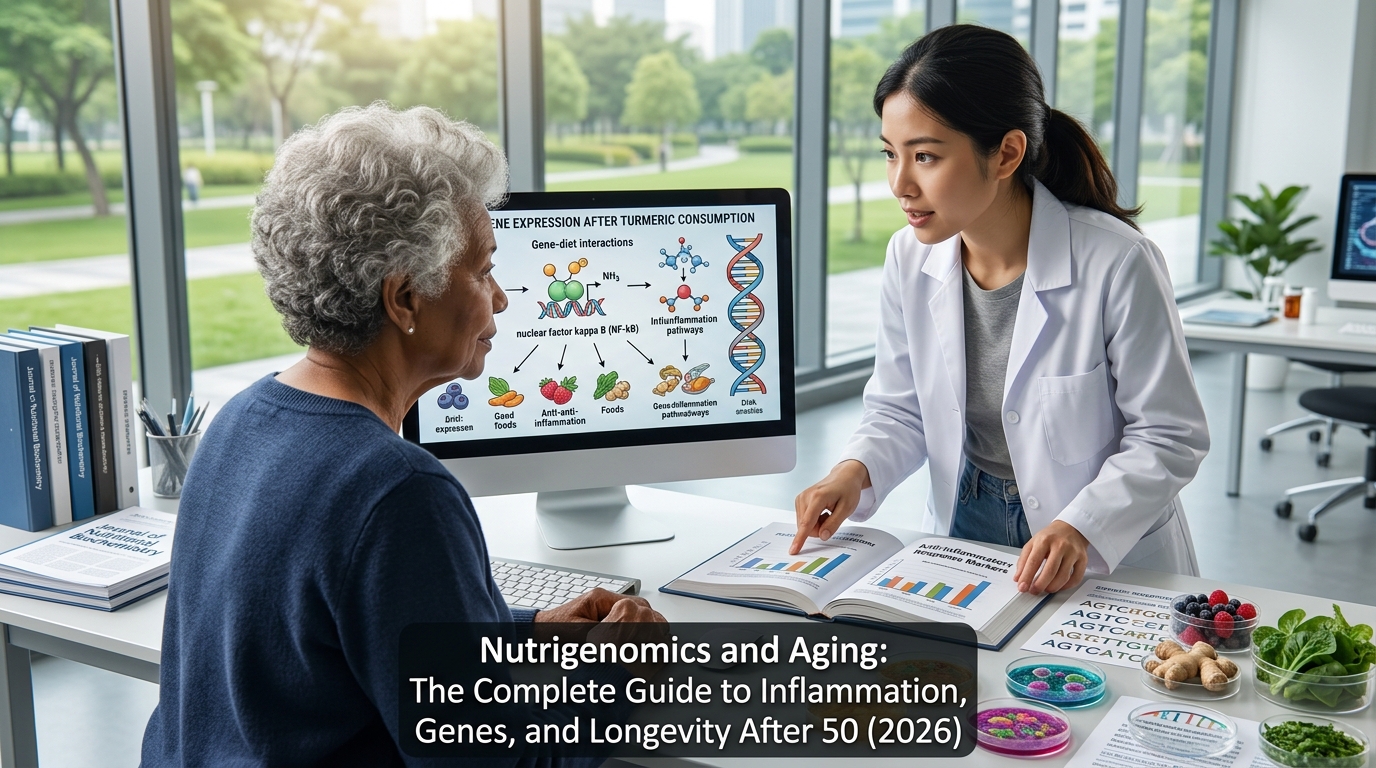
Nutrigenomics and Aging: The Complete Guide to Inflammation, Genes, and Longevity After 50 (2026)

A 2026 guide to nutrigenomics and aging: how genes like MTHFR, APOE, and VDR shape nutrition after 50, and what the science says about eating for healthy aging.

Introduction

Here's something worth knowing before you read another generic diet article: two people can eat the exact same breakfast every morning for a year and come away with meaningfully different cholesterol, blood sugar, and inflammation numbers. Age tends to widen that gap, not narrow it. The nutritional “slack” your body had at 30 — the ability to shrug off a poor diet without much consequence — shrinks over time, and what's left underneath is a lot more genetic than most nutrition advice admits.

That's the territory nutrigenomics covers: the two-way relationship between your genes and what you eat. On one side, your genetic variants influence how efficiently you metabolize nutrients like folate, vitamin D, and fat. On the other, the food you eat can actually influence how your genes are expressed, through mechanisms like DNA methylation. Neither direction is exotic science-fiction anymore — both are active, published areas of nutrition research, even if the field is still working out exactly how far the practical applications go.

This guide is built for adults over 50 specifically, because that's where the genetic differences tend to matter most in daily life. We'll walk through the core genes most consistently linked to nutrition and aging, how they connect to inflammation and metabolic health, what genetic testing can and can't actually tell you, and how to build a nutrition strategy that uses this information without overpromising on it. Nothing here replaces a conversation with your doctor or a registered dietitian — think of it as background that makes that conversation more useful.

For those ready to go deeper, nutrigenomics and aging. The Prime Reset offers comprehensive resources for anyone serious about addressing inflammation at its root.

What Is Nutrigenomics, and Why Does It Matter More After 50?

Nutrigenomics is the study of how nutrients and dietary compounds interact with your genes — both how your genetic makeup shapes your response to nutrients, and how nutrients themselves can turn certain genes up or down. A closely related term, nutrigenetics, refers more narrowly to how individual genetic variants affect nutrient metabolism specifically — which is the piece most relevant to everyday dietary decisions and the focus of most of this guide, even though “nutrigenomics” has become the more commonly used umbrella term.

Age matters here for a fairly intuitive reason: your body's compensatory systems have more wear on them. At 30, a moderately inefficient version of an enzyme might barely register, because you have enough metabolic reserve elsewhere to cover the gap. By 55 or 65, cumulative years of that same inefficiency — combined with naturally declining absorption, changes in gut function, and more medication use — start to show up as measurable gaps: low vitamin D despite reasonable sun exposure, elevated homocysteine despite a “healthy” diet, or blood sugar that creeps upward even without major weight change. Genetic variants that were nutritionally invisible in your 30s often become the more decisive factor later on.

To ground this in something concrete before getting into specific genes: consider two hypothetical adults, both 58, both eating what looks like a solid diet on paper — plenty of vegetables, whole grains, and lean protein, with only moderate red meat and processed food. One of them has an efficient version of the MTHFR enzyme and a favorable VDR variant; their bloodwork comes back with healthy homocysteine and vitamin D levels on standard intake. The other carries reduced-function variants in both genes; despite eating an almost identical diet, their homocysteine runs elevated and their vitamin D stays stubbornly low even with regular sun exposure. Nothing about their reported diet or lifestyle looks different on the surface — the difference is happening at the level of how efficiently each person's body is actually using what they eat. That's the gap nutrigenomics is trying to explain, and it's also why blanket dietary advice sometimes “fails” for people who are, by every visible measure, doing everything right.

It's worth being upfront that this field has real, useful evidence in some areas and considerably weaker evidence in others. Large systematic reviews of nutrigenetic interventions have found genuinely mixed results, and researchers are candid that many claims made by direct-to-consumer testing companies outpace what controlled trials have actually confirmed. The genes covered in the next section represent the interactions with the strongest, most consistently replicated evidence — which is exactly why they're worth understanding, even as the broader field continues to mature.

There's a second layer to nutrigenomics worth knowing about, beyond how your genes affect your response to food: how food affects your genes. This is the epigenetic side of the field, and it works primarily through mechanisms like DNA methylation, where chemical tags attached to your DNA influence whether specific genes get switched on or off without changing the underlying genetic code itself. Diet is one of the more significant, modifiable influences on this process. Nutrients like folate, B12, and choline supply the raw materials your cells use to add these methylation tags, which is part of why the same B-vitamin pathway shows up repeatedly across both the genetic-variant side of nutrigenomics and the epigenetic side. In practice, this means the food choices you make today don't just interact with the genes you were born with — they also have some influence on how those genes behave going forward, which is a big part of why researchers increasingly describe diet as an active participant in the aging process rather than a passive backdrop to it.

The Core Genes Behind Nutrition and Aging

A handful of genes show up again and again across nutrigenomics research, and getting familiar with them gives you a working vocabulary for the rest of this guide.

MTHFR (methylenetetrahydrofolate reductase) affects how well your body converts dietary folate into its active form, which your cells need for methylation, DNA synthesis, and repair. Common variants, especially the well-studied C677T variant, reduce this conversion efficiency and are linked to elevated homocysteine, a marker associated with cardiovascular and cognitive risk in older adults. People with these variants often benefit more from methylated folate (5-MTHF) than from standard folic acid, since it skips the conversion step their enzyme struggles with.

APOE governs how your body transports and metabolizes cholesterol and other fats, including in the brain. The APOE4 variant is the strongest known genetic risk factor for late-onset Alzheimer's disease and is also associated with higher LDL cholesterol and cardiovascular risk. Because of its dual role in heart and brain health, APOE status shows up in both the metabolic and cognitive sections of this guide.

FTO is tied to appetite regulation and energy intake. Variants in this gene are associated with delayed satiety signals, meaning it can take longer to feel full after eating, which in practice often shows up as a tendency toward larger portions or more frequent snacking.

TCF7L2 influences insulin response and is one of the most robustly replicated genes in type 2 diabetes research. Variants here are linked to impaired glucose control, making blood sugar management through diet — particularly carbohydrate quality and fiber intake — more consequential for carriers.

VDR (vitamin D receptor) affects how efficiently your body uses the vitamin D circulating in your blood, independent of how much you're actually taking in through diet, supplements, or sun exposure. Unfavorable variants often mean two people with identical blood vitamin D levels get different downstream benefits, which is part of why VDR is described as a textbook example of nutrigenomics in action.

CYP1A2 determines how quickly you metabolize caffeine and certain plant compounds. “Fast” metabolizers tend to clear caffeine efficiently with less cardiovascular strain, while “slow” metabolizers may experience more pronounced effects from the same cup of coffee, which matters for both comfort and, in some research, cardiovascular risk with high intake.

A few other genes come up less often in mainstream coverage but still have supporting research worth a brief mention. ABCA1, involved in cholesterol transport, interacts with vitamin E intake in ways that can influence lipid profiles and cardiovascular risk. BHMT and CBS, both part of the same one-carbon metabolism pathway as MTHFR, contribute additional variability in how efficiently your body processes methyl donors, which is one reason two people with identical MTHFR results can still show different homocysteine levels in practice. None of these require memorizing for the rest of this guide, but they illustrate a broader point: nutrigenomics isn't a tidy list of six genes with six matching food rules. It's a network of interacting pathways, and the six genes above are simply the entry points with the clearest, most actionable research behind them.

How Genes Drive Inflammation and “Inflammaging”

Researchers increasingly point to chronic, low-grade inflammation — often called “inflammaging” — as one of the central mechanisms behind age-related disease. Unlike the acute inflammation from a cut or infection, this is a persistent, low-level immune activation that doesn't resolve, and it's been linked to everything from cardiovascular disease to cognitive decline to frailty.

Genetics plays a real role in how “hot” your inflammatory baseline runs. Variants in genes like IL-6 and TNF-alpha, which code for inflammatory signaling proteins, are associated with differences in how strongly your immune system responds to the same triggers — a high-sugar meal, poor sleep, or excess body fat, for example. Two people with similar lifestyles can carry meaningfully different inflammatory “sensitivity” as a result.

The dietary response to this is fairly well established, even without genetic testing: diets higher in refined carbohydrates and ultra-processed food are consistently associated with higher inflammatory markers like CRP, while diets emphasizing vegetables, fatty fish, olive oil, nuts, and whole grains — the general Mediterranean pattern — are associated with lower ones. If you know or suspect you carry higher-inflammation gene variants, this general dietary pattern becomes less of a “nice to have” and more of a priority, since your baseline gives you less margin for a diet that runs the other direction. Bloodwork, specifically a CRP test, is a practical way to check where you actually stand without needing genetic data at all.

It's also worth understanding that inflammaging isn't driven by diet alone, even though diet is one of the more modifiable levers available. Sleep quality, chronic stress, visceral body fat, and physical activity level all interact with the same inflammatory pathways, sometimes as strongly as diet does. This matters for expectations: someone with a higher-inflammation genetic profile who cleans up their diet but is chronically under-slept and sedentary may not see the improvement in inflammatory markers they were hoping for, simply because diet was addressing one input out of several. Genetics can help explain why your inflammatory baseline runs the way it does, but a full picture of inflammaging after 50 usually has to account for the whole lifestyle picture, not just what's on the plate.

Methylation, DNA Repair, and the Aging Process

Methylation is one of the more technical-sounding concepts in this space, but the practical version is straightforward: it's a chemical process your cells use constantly for DNA repair, detoxification, neurotransmitter production, and regulating which genes get turned on or off. It depends heavily on a group of B vitamins — folate, B12, and B6 chief among them — working through what's called one-carbon metabolism.

This is where MTHFR becomes relevant again. When folate conversion is inefficient, methylation slows down, and one of the more measurable downstream effects is a rise in homocysteine, an amino acid byproduct that, at elevated levels, is associated with increased risk for cardiovascular disease, stroke, and cognitive decline in older adults. Homocysteine is also one of the more useful, affordable bloodwork markers for adults over 50 to track, since it gives a concrete readout of how well this whole pathway is functioning, regardless of whether you know your MTHFR status.

Supporting healthy methylation through diet generally means prioritizing folate-rich foods like leafy greens, legumes, and fortified grains, along with adequate B12 — which becomes harder to absorb from food alone with age due to declining stomach acid production, making B12 one of the more commonly recommended standalone supplements for older adults regardless of genotype. For people with confirmed MTHFR variants, research suggests standard folic acid doses may be less effective at correcting homocysteine than methylated folate, which is worth discussing with a provider if bloodwork shows elevated levels.

Methylation's reach extends beyond cardiovascular and cognitive risk into detoxification and neurotransmitter production as well, which is part of why people with significant MTHFR variants sometimes report effects on mood or energy alongside the more commonly discussed cardiovascular markers, though this connection is less rigorously established in controlled trials than the homocysteine link and shouldn't be treated as a firm diagnosis for either symptom. What's more solidly supported is the practical takeaway: methylation is a nutrient-dependent process, it becomes more consequential with age as compensatory reserve declines, and it's one of the few nutrigenomic pathways with both a clear genetic component (MTHFR and related genes) and a simple, inexpensive bloodwork marker (homocysteine) you can track over time to see whether dietary changes are actually moving the needle.

Nutrigenomics and Brain Aging

Brain health is one of the areas where nutrigenomics research has produced some of its more specific, actionable findings, largely centered on APOE. Because APOE4 carriers process fats — including the omega-3s DHA and EPA — differently than non-carriers, several studies have looked specifically at whether omega-3 intake affects cognitive outcomes differently by genotype. The findings are genuinely interesting: some observational research shows stronger associations between higher omega-3 intake and slower cognitive decline specifically in APOE4 carriers, and clinical research has found that APOE4 carriers show different biological responses to EPA and DHA supplementation compared to non-carriers, with anti-inflammatory compound levels rising more at higher intakes.

There's also an emerging nuance around the form of omega-3s that matters for this group. Some research suggests APOE4 carriers may have impaired transport of free DHA into brain tissue, but not of DHA that's bound to phospholipids — meaning the source and form of omega-3 intake could matter more for this genotype than for the general population. This is still a developing area, not a settled clinical guideline, but it's a good example of how genetic context can add real nuance to advice that otherwise sounds identical for everyone (“eat more fish”).

Beyond APOE specifically, the broader evidence for brain-healthy eating after 50 is less genotype-dependent and more universally supported: Mediterranean-style and MIND-diet eating patterns, both heavy on vegetables, berries, fish, and olive oil while limiting red meat and processed food, are consistently associated with slower cognitive decline across large observational studies, independent of individual gene status. Genetics may help explain who benefits most from specific components of that pattern, like fish and omega-3 intake, but it doesn't change the basic recommendation for most people.

It's worth adding a note of caution here, since APOE4 testing tends to generate more anxiety than most other nutrigenomic results, given its association with Alzheimer's risk. Carrying an APOE4 variant raises statistical risk; it does not mean cognitive decline is inevitable, and plenty of APOE4 carriers never develop dementia, particularly when other risk factors like cardiovascular health, physical activity, and sleep are well managed alongside diet. If you're considering APOE testing specifically, it's worth thinking through in advance how you'd want to use that information and, ideally, discussing it with a genetic counselor beforehand, since this is one of the few nutrigenomic results with real emotional weight attached to it and not just a dietary adjustment.

Nutrigenomics and Metabolic Aging

Metabolic health tends to shift for most people after 50, even independent of major lifestyle changes, and genetics plays a documented role in how that shift unfolds. TCF7L2 variants, among the most robustly studied genetic contributors to type 2 diabetes risk, affect insulin secretion and glucose regulation. For carriers, dietary strategies that reduce blood sugar volatility — prioritizing low-glycemic carbohydrates, adequate fiber, and protein at each meal — carry more weight than they might for someone without that genetic backdrop, since the underlying insulin response has less built-in resilience.

FTO variants take a different angle on metabolic aging, working through appetite and satiety rather than blood sugar directly. Because these variants are associated with delayed fullness signals and a tendency toward higher overall energy intake, practical strategies that address the underlying signaling issue — like structuring meals around adequate protein and fiber for longer-lasting satiety, and using smaller, more frequent portions rather than relying on hunger cues alone — tend to be more effective for carriers than generic “eat less” advice, which doesn't address why the extra intake is happening in the first place.

Weight gain and slowing metabolism after 50 get attributed to “just getting older” fairly often, and while some of that is accurate — muscle mass naturally declines with age, lowering resting energy needs — genetic variants in appetite regulation and insulin sensitivity add a second layer that's often overlooked. Combining genetic awareness (where available) with practical bloodwork like fasting glucose, HbA1c, and a lipid panel gives a much clearer picture than assuming metabolic changes after 50 are simply inevitable and untargetable.

It's also worth noting that muscle loss itself, sometimes called sarcopenia when it becomes significant, has its own nutritional lever that intersects with the genetic picture: protein intake and resistance exercise are the two most consistently supported interventions for preserving muscle mass after 50, and adequate protein becomes especially relevant for FTO carriers, since higher-protein meals are also one of the more effective tools for extending satiety in people whose fullness signals run naturally delayed. In that sense, a higher-protein eating pattern after 50 isn't just a bodybuilding trend — it's one of the few dietary strategies that addresses metabolic aging, appetite regulation, and muscle preservation at the same time, regardless of which specific genetic variants you happen to carry.

For those ready to go deeper, nutrigenomics and aging. The Prime Reset offers comprehensive resources for anyone serious about addressing inflammation at its root.

Should You Get Genetic Testing? What It Can and Can't Tell You

If this guide has you curious about your own genetic profile, it helps to know what's actually available and what it's realistically going to tell you. Broadly, there are two paths: uploading raw DNA data from a general consumer test (like the kind used for ancestry) into a third-party nutrigenomics interpretation tool, or ordering a dedicated nutrigenomics panel designed specifically to analyze diet-relevant genes. Dedicated panels tend to cover the well-established genes more thoroughly and present the results in a more clinically useful format, while raw-data uploads are cheaper if you've already tested for another reason, though the interpretation quality varies significantly between third-party tools.

It's worth separating the genes with strong, repeatedly replicated evidence from those where the science is thinner. MTHFR and folate metabolism, APOE and lipid/cognitive risk, VDR and vitamin D response, TCF7L2 and glucose regulation, FTO and appetite, and CYP1A2 and caffeine metabolism all fall into the well-evidenced category — these are the interactions referenced across multiple independent research groups and, in several cases, clinical guidelines. Many other gene-diet claims marketed by consumer testing companies go well beyond what controlled human trials currently support, and it's reasonable to treat those with more skepticism until the research catches up.

The single biggest limitation to keep in mind is that genetics is not destiny. A genetic variant describes a tendency, not a guarantee — someone with an APOE4 variant doesn't automatically develop Alzheimer's, and someone with an FTO risk variant doesn't automatically become overweight. Genetics interacts with diet, activity, sleep, stress, and dozens of other factors, and results are most useful when paired with actual bloodwork rather than treated as a standalone verdict. A genetic test tells you where to look; bloodwork tells you what's actually happening right now.

There's a practical workflow worth adopting if you do decide to test: start with the DNA data to identify which pathways deserve closer attention, then confirm with targeted bloodwork rather than acting on genetic predictions alone. An MTHFR result points you toward checking homocysteine and folate levels specifically, rather than guessing. A VDR result points you toward tracking 25(OH)D, the standard vitamin D blood marker, since it tells you your actual circulating level regardless of how efficiently your receptors use it. An APOE result might prompt a full lipid panel alongside your regular checkup. This closed loop — genetics to identify where to look, bloodwork to confirm what's happening, a targeted dietary or supplement change, then follow-up bloodwork a few months later to see if it worked — is a considerably more rigorous approach than reading a gene report once and assuming the recommendations apply indefinitely without verification.

Building an Evidence-Based Nutrition Strategy for Healthy Aging

Given everything above, the most practical approach isn't to overhaul your diet based on a single gene result — it's to layer genetic insight onto a foundation that's already well-supported for healthy aging, regardless of genotype. That foundation looks fairly consistent across the research: a diet emphasizing vegetables, fruit, fiber-rich whole grains, fatty fish, nuts, and olive oil, with limited ultra-processed food and added sugar, shows up repeatedly in studies on inflammation, cardiovascular risk, cognitive decline, and general longevity. This is a reasonable starting point whether or not you ever get genetic testing done.

From there, genetic and bloodwork data help you fine-tune rather than reinvent. If you know or suspect an MTHFR variant, prioritize folate-rich foods and discuss methylated B-vitamins with your provider if homocysteine runs high. If APOE4 is in the picture, omega-3 intake and cardiovascular-focused eating carry extra weight. If TCF7L2 or a fasting glucose result flags blood sugar concerns, glycemic load becomes a bigger lever than it might be for someone else. None of these adjustments require abandoning the general framework — they're refinements within it.

Finally, treat this as an ongoing process rather than a one-time decision. Bloodwork markers like homocysteine, vitamin D, fasting glucose, and CRP are worth rechecking periodically, especially after making a targeted dietary change, since that's the only way to confirm an adjustment is actually working rather than just theoretically justified. Genetics gives you a map, but bloodwork and how you actually feel over time are what tell you whether you're using that map well.

It's also worth being realistic about pacing. Nutrigenomic adjustments tend to work on biological timelines measured in months, not days — homocysteine and vitamin D levels typically take eight to twelve weeks to meaningfully shift after a dietary or supplement change, and inflammatory markers like CRP can be similarly slow to move. That's a reasonable window to plan retesting around, and it also means this isn't a strategy that rewards constant tweaking. Pick one or two changes that align with your genetic and bloodwork priorities, give them a full retest cycle before judging the result, and resist the urge to layer in additional changes before you know whether the first one is actually working — otherwise you lose the ability to tell what's responsible for any improvement you do see.

Conclusion

Nutrigenomics doesn't hand you a personalized diet plan in a single test result, and it isn't a shortcut around the fundamentals of healthy eating — but for adults over 50, it does offer a genuinely useful lens for understanding why identical advice sometimes produces different results in different people. Genes like MTHFR, APOE, FTO, TCF7L2, VDR, and CYP1A2 shape how you process folate, fat, blood sugar, vitamin D, and caffeine, and that shapes everything from your inflammatory baseline to your cardiovascular and cognitive risk over time.

The most useful way to apply this is as a layer on top of solid, well-evidenced nutrition fundamentals, not a replacement for them — start with an anti-inflammatory, whole-food eating pattern, use genetic and bloodwork data to fine-tune where it matters most for you specifically, and revisit the picture periodically rather than treating any single result as permanent. If you're managing existing health conditions or taking medications, loop in a doctor or registered dietitian before making significant changes, particularly around supplementation.

Aging well is rarely about finding one perfect intervention; it's usually the accumulation of several reasonable, well-targeted decisions sustained over years. Nutrigenomics won't replace the basics of sleep, movement, and a whole-food diet, and it isn't meant to — but for the specific decisions where genetics does make a documented difference, like folate form, omega-3 strategy, and blood sugar management, it gives you a more precise starting point than guessing, and a clearer way to check, later, whether the guess paid off.

For those ready to go deeper, nutrigenomics and aging. The Prime Reset offers comprehensive resources for anyone serious about addressing inflammation at its root.

Have you looked into your own genetic profile, or found a specific dietary change that made a measurable difference on your bloodwork? Share what you've learned in the comments — real experiences from other readers navigating this after 50 often fill in the gaps that a single article can't.

We recommend to read this next!

Continue ReadingNutrigenomics and Aging: The Complete Guide to Inflammation, Genes, and Longevity After 50 (2026)

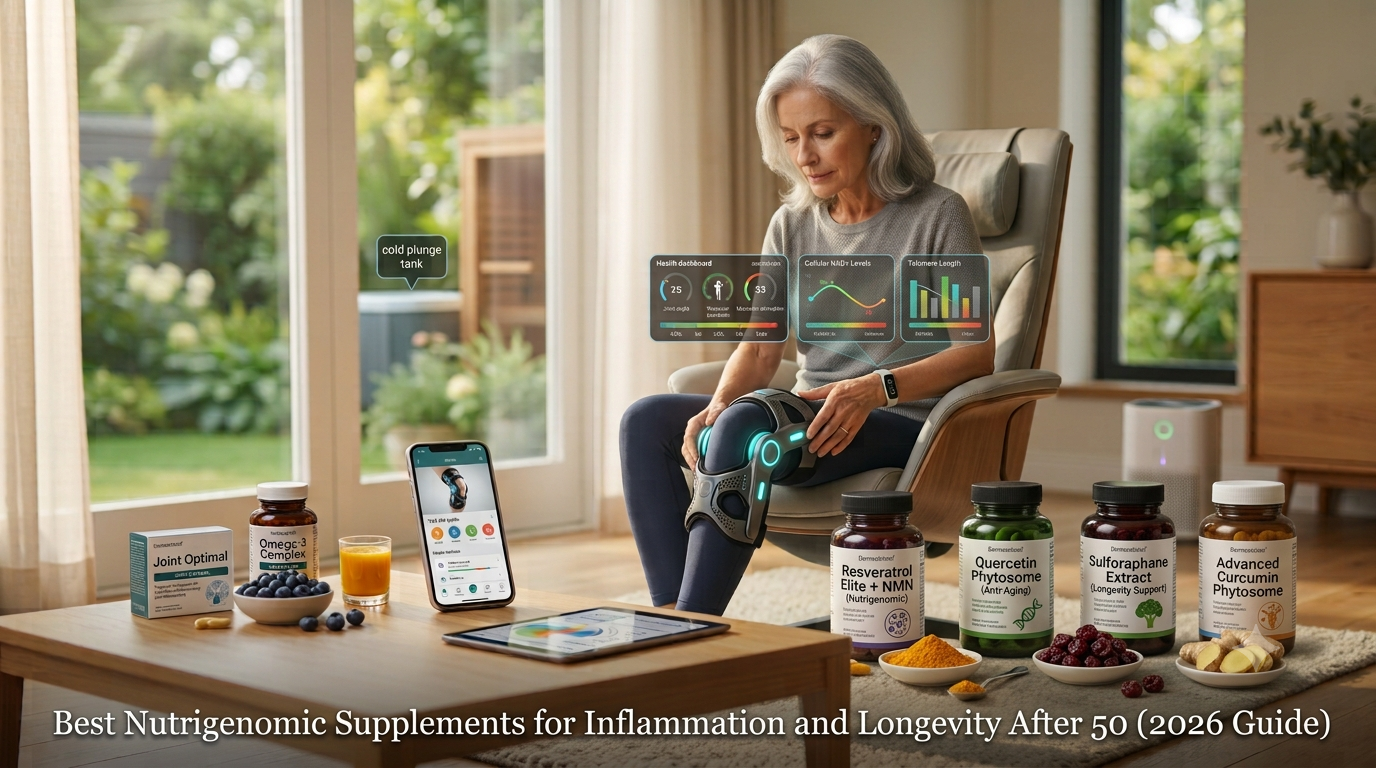
Best Nutrigenomic Supplements for Inflammation and Longevity After 50 (2026 Guide)

Best Nutrigenomic Supplements for Inflammation and Longevity After 50 (2026 Guide)

Discover the best nutrigenomic supplements for longevity in 2026 — from NAD+ precursors to omega-3s — and how your genetics shape which ones actually work for you.

Introduction

Here's a number worth sitting with: low-grade, chronic inflammation is now considered one of the biggest drivers of age-related disease, and researchers even have a name for it — “inflammaging.” It doesn't announce itself with a fever or a rash. It just quietly raises your risk for heart disease, cognitive decline, and joint pain, year after year, often without a single obvious symptom until something breaks down.

If you're over 50 and you've ever stood in a supplement aisle wondering why the bottle that worked wonders for your neighbor did absolutely nothing for you, there's a real, biological reason for that. It's not just about willpower or picking the “right” brand. Your genes influence how you absorb nutrients, how efficiently you convert plant compounds into active forms, and how your body responds to inflammation in the first place. Two people can take the identical fish oil capsule and get two very different results, and genetics is a big part of why.

This guide walks through the supplement categories with the strongest connection to inflammation and longevity — NAD+ precursors, sirtuin-activating polyphenols, senolytics, omega-3s, and the foundational basics most people overlook. Along the way, we'll flag where the genetic research is solid, where it's still catching up to the marketing, and how to actually choose a quality product instead of just trusting a label. Nothing here is medical advice — think of it as a research-informed starting point for a conversation with your doctor.

It also helps to know upfront that “nutrigenomic supplement” isn't a regulated category with a fixed definition. In practice, it refers to compounds that interact with well-studied genetic pathways — sirtuins, methylation enzymes, fatty acid conversion genes, and inflammatory signaling genes among them — rather than a specific certified product type. That distinction matters, because it means the marketing on a bottle can say “nutrigenomic” without the product actually being matched to your genetic profile in any meaningful way. The categories below are organized around the biological pathways themselves, so you can map them to your own genetic results, your bloodwork, or simply your health priorities if testing isn't something you've done.

For those ready to go deeper into the best nutrigenomic supplements for inflammation and longevity after 50. The Prime Reset offers comprehensive resources for anyone serious about addressing inflammation at its root.

Why Genetics Should Guide Your Supplement Choices After 50

Nutrigenomics is the study of how your genes interact with the nutrients and compounds you consume. In plain terms: it explains why the same dose of the same supplement can behave differently in different bodies. Some of that comes down to how efficiently your enzymes process a compound, and some comes down to how your immune system is wired to respond to it in the first place.

A few genes show up again and again in this conversation. MTHFR variants affect how well your body converts folate and other B-vitamins into their active, usable forms, which matters for methylation and, indirectly, for inflammatory pathways. APOE variants — particularly APOE4 — influence how your body handles fats and cholesterol, and they've become a major focus in brain-health nutrition research. FTO variants are tied to appetite regulation and fat storage. CYP1A2 determines whether you metabolize caffeine (and by extension, some polyphenols) quickly or slowly. And genes affecting inflammatory signaling, like IL-6 and TNF-alpha, help explain why some people run “hotter” inflammatory profiles than others, even with similar diets and lifestyles.

None of this means you need a genetic test before you're allowed to take a vitamin. But it does mean that generic “everyone over 50 should take X” advice only gets you so far. If you already have genetic testing data — from a consumer DNA kit or a targeted nutrigenomics panel — it's worth reviewing before you build a supplement stack, since it can save you from paying for compounds your body was never going to use efficiently in the first place. If you don't have testing data, that's fine too; the categories below are useful even without it, just less precisely targeted.

There's also a practical, financial reason to think this way. Longevity-focused supplements are not cheap, and a serious stack of NAD+ precursors, polyphenols, and omega-3s can easily run well over a hundred dollars a month. Genetic and biomarker context helps you spend that money where it's more likely to matter, rather than buying every compound that shows up in a headline. A simple starting move, even without formal DNA testing, is asking your doctor for baseline bloodwork — vitamin D, CRP (a general inflammation marker), homocysteine, and a standard lipid panel — since these numbers give you a real-world snapshot of where your body actually needs support right now, independent of what any single gene variant predicts on paper.

NAD+ Precursors: NMN and NR for Cellular Energy

NAD+ (nicotinamide adenine dinucleotide) is a molecule every cell in your body needs for energy production, DNA repair, and — notably for this topic — sirtuin activity, which is closely tied to inflammation control. The problem is that NAD+ levels decline substantially as we age, and that decline has become one of the most-discussed mechanisms in longevity science.

Two supplement forms dominate this category: nicotinamide mononucleotide (NMN) and nicotinamide riboside (NR). Both are precursors that your body converts into NAD+ through a couple of intermediate steps. Human trials directly comparing the two have found that both NMN and NR meaningfully raise circulating NAD+ levels after about two weeks of supplementation, while plain nicotinamide doesn't sustain the same effect. Some research also suggests NMN and NR shift gut bacteria toward producing more short-chain fatty acids, which are linked to a stronger gut barrier and, in turn, lower systemic inflammation.

Here's the honest caveat, though: raising NAD+ levels in the blood is not the same as proving a longevity benefit. Human outcome data — meaning actual measured improvements in healthspan or lifespan — is still thin. Some smaller trials have shown encouraging results in specific groups, like women with prediabetes or people with peripheral artery disease, while other trials focused on general metabolic health haven't replicated the more dramatic findings seen in animal studies. If you're genetically predisposed to higher inflammatory markers (via IL-6 or TNF-alpha variants), the gut-barrier and inflammation angle may be the more compelling reason to consider this category, rather than anti-aging claims alone.

Typical dosing in trials has ranged from 250–1,000 mg/day for NMN and 300–1,000 mg/day for NR, though ranges vary by study and product. Because this is a newer, less-regulated category, third-party testing (more on that below) matters more here than almost anywhere else in the supplement aisle.

There's also an ongoing debate within this category itself about which precursor is “better,” and it's worth knowing that debate exists rather than picking a side based on marketing alone. The biochemical pathway generally runs from NR to NMN to NAD+, which NMN brands use to argue their product is “closer” to the finish line. NR brands counter that oral NMN may be partly broken down into NR before it's absorbed anyway, making the distinction less meaningful in practice than it sounds. Neither argument is settled by strong human data as of this writing. Some formulations now combine NMN or NR with resveratrol, based on the idea that sirtuins need both adequate NAD+ and an activating compound to function well together — a reasonable mechanistic pairing, though again, one with more animal data behind it than confirmed human outcomes. If cost is a concern, know that this is one of the pricier categories per month, so it's worth deciding whether it fits your budget before it fits your genetic priorities.

Resveratrol, Quercetin & Sirtuin-Supporting Polyphenols

Sirtuins, especially SIRT1, are a family of proteins that help regulate inflammation, metabolism, and cellular repair — and they depend on NAD+ to function, which is part of why NAD+ precursors and sirtuin-activating polyphenols are often discussed together. Resveratrol, found in red grapes and berries, is the best-known sirtuin activator, and it's been shown in lab and animal studies to reduce TNF-alpha-driven inflammation by acting on the SIRT1 pathway. Quercetin, a flavonoid found in apples, onions, and tea, works through a similar mechanism and shows up frequently in anti-inflammatory and senolytic research.

The catch is bioavailability. Oral resveratrol is notoriously poorly absorbed, and most of the meaningful human trials have used concentrated extracts rather than the amount you'd realistically get from food or a standard capsule. Animal studies on resveratrol have also shown mixed, diet-dependent results — lifespan extension shows up in some high-fat-diet animal models but not consistently in animals on a standard diet. In humans, the research on cardiovascular markers, insulin sensitivity, and inflammation is described by several independent reviewers as “modest and inconsistent” rather than a slam dunk.

That doesn't mean skip it — it means calibrate your expectations and prioritize formulation quality. Look for resveratrol products that address absorption directly, such as micronized or liposomal formulations, and consider that quercetin may be the more consistently supported option of the two for general inflammation support, since it shows up across senolytic research alongside compounds like fisetin. If your genetic profile points toward elevated inflammatory signaling, this category is reasonable to explore, but it's not a substitute for diet, sleep, and the fundamentals covered later in this guide.

Kaempferol, a lesser-known flavonoid found in kale, beans, and broccoli, is worth a brief mention too, since emerging research links it to SIRT1 activation alongside neuroprotective and anti-inflammatory effects. It's not yet a standalone category the way resveratrol or quercetin are, and you're more likely to encounter it as one ingredient in a broader polyphenol blend than as a dedicated product. That's a useful pattern to recognize across this whole category: much of the strongest research on plant polyphenols comes from diets rich in a variety of these compounds — berries, onions, leafy greens, green tea — rather than any single isolated extract. If your budget or genetic priorities don't point you toward a dedicated resveratrol or quercetin supplement, leaning on a genuinely polyphenol-dense diet is a reasonable, evidence-aligned alternative rather than a consolation prize.

Curcumin and Senolytic Compounds for Chronic Inflammation

Senolytics are compounds that target senescent cells — sometimes nicknamed “zombie cells” — which stop dividing but don't die off the way they're supposed to. Instead, they linger and release inflammatory chemicals that contribute to the low-grade inflammation associated with aging. Popular senolytic compounds include fisetin, quercetin, curcumin, and apigenin, most of which occur naturally in berries, turmeric, onions, and green tea, just at much lower concentrations than what you'd get in a supplement.

Curcumin — the active compound in turmeric — has some of the more consistent human evidence in this space for reducing inflammatory markers, though it shares resveratrol's absorption problem. On its own, curcumin is poorly absorbed by the digestive tract. That's why quality curcumin supplements are almost always paired with an absorption enhancer, most commonly piperine (black pepper extract) or a liposomal/phytosome delivery system. A curcumin supplement without one of these enhancements is likely delivering a fraction of its labeled dose to your bloodstream, no matter how high the milligram count looks on the label.

It's worth being clear-eyed about where this research stands: most senolytic evidence comes from lab and animal studies, and human data is still developing. That's not a reason to dismiss the category, but it is a reason to keep expectations realistic and to prioritize a well-absorbed, well-tested product over the highest-dose bottle on the shelf. If genetic testing shows you run higher on inflammatory markers, or if you already have elevated CRP on bloodwork, this category is one of the more directly relevant places to focus, alongside the omega-3 strategy below.

Fisetin deserves a specific mention, since it's one of the more frequently studied senolytic compounds in early human and animal research, often discussed alongside protocols that combine it with quercetin for a broader effect on senescent cell clearance. Some senolytic protocols in the research literature use an intermittent, higher-dose approach — taking a compound for a few consecutive days per month rather than daily — based on the theory that clearing senescent cells doesn't require constant exposure the way, say, a vitamin does. This is still an experimental approach without a settled consumer-facing consensus, so if you're interested in it, it's a conversation worth having with a knowledgeable provider rather than something to self-design from a supplement label alone. Green tea extract (specifically EGCG) sometimes gets grouped into this same conversation as well, with some evidence pointing to modest improvements in inflammatory markers like CRP, though glycemic control results in trials have been mixed enough that it shouldn't be your primary reason for supplementing.

Omega-3 Fatty Acids and Your Genetic Response

Of everything on this list, omega-3 fatty acids — specifically EPA and DHA — have some of the strongest and most consistent human evidence behind them for inflammation and cardiovascular health. But even here, genetics changes the picture. The FADS1 and FADS2 genes control how efficiently your body converts short-chain plant-based omega-3s (like ALA from flaxseed) into the longer-chain, more active EPA and DHA forms found in fish. People with less efficient variants of these genes tend to see a bigger benefit from taking EPA/DHA directly, rather than relying on plant sources and hoping their body converts enough on its own.

EPA tends to get more of the credit for anti-inflammatory signaling, while DHA plays a larger structural role in cell membranes and brain tissue, so the ratio of the two in a given product matters depending on what you're prioritizing. Clinical dosing generally falls in the 1–3 grams per day range of combined EPA and DHA, though your target should factor in existing fish intake and any conditions you're managing with a doctor.

Quality control matters enormously in this category because fish oil oxidizes easily, and rancid oil isn't just ineffective — it can actually work against you. Look for products with IFOS (International Fish Oil Standards) certification, which specifically tests for oxidation, heavy metals, and EPA/DHA potency accuracy. A fresh, high-quality fish oil shouldn't taste overwhelmingly “fishy” or leave a strong aftertaste; that's often a sign of oxidation. If fish isn't part of your diet at all, algae-based omega-3 supplements are a solid vegetarian alternative, though you'll want to check the EPA/DHA content carefully since algae sources sometimes run lower in EPA specifically.

Form matters here too, not just source. Fish oil is typically sold as either an ethyl ester or a triglyceride form, and research generally suggests the triglyceride form is absorbed somewhat better, though it tends to cost more per gram of active omega-3s. Storage matters as well — keeping capsules in the refrigerator can slow oxidation, especially once a bottle is opened. And if you're on blood-thinning medication, high-dose omega-3s are one of the more common supplement-drug interactions worth flagging to your doctor before you start, since both work on similar clotting pathways. This is also a category where the omega-6 to omega-3 ratio in your overall diet matters as much as the supplement dose itself — a diet heavy in processed seed oils can work against the anti-inflammatory benefit you're trying to get from a fish oil capsule, so the supplement works best as part of a broader shift rather than an isolated fix.

Vitamin D3 and Magnesium: The Foundational Genetic Layer

It's tempting to skip past vitamin D and magnesium on the way to flashier compounds, but both have real genetic angles and arguably more consistent evidence than most of the trendier options on this list. Variants in the VDR (vitamin D receptor) gene affect how efficiently your body uses the vitamin D you already have circulating, which means two people with identical blood levels can experience different downstream effects on immune regulation and inflammation. Low vitamin D status has been consistently associated with higher chronic disease risk and immune dysregulation, which is part of why it's one of the most frequently recommended supplements for adults over 50, genetic testing or not.

Magnesium is the other unglamorous workhorse. It's a required cofactor for more than 300 enzymatic reactions in the body, touching everything from sleep regulation to nerve signaling to cardiovascular function, and deficiency becomes markedly more common with age due to reduced absorption and increased use by common medications like diuretics and proton-pump inhibitors. If you're dealing with poor sleep, muscle cramps, or general fatigue alongside inflammation concerns, magnesium status is worth checking before you invest in something more exotic.

Typical vitamin D3 dosing runs anywhere from 1,000 to 4,000 IU per day depending on baseline blood levels — which really should be tested rather than guessed at — and magnesium glycinate or magnesium citrate are generally better tolerated than magnesium oxide, which is cheap but poorly absorbed and more likely to cause digestive upset. These two categories are a genuinely good place to start if you're building a stack from scratch, since the evidence is solid and the cost is low relative to NAD+ precursors or senolytic blends.

It's also worth pairing vitamin D3 with vitamin K2 in many formulations, since K2 helps direct calcium toward bone tissue rather than soft tissue like arteries, a combination that's become increasingly common in quality D3 products aimed at adults over 50. And because vitamin D is fat-soluble, taking it with a meal that contains some fat improves absorption meaningfully compared to taking it on an empty stomach. Magnesium, meanwhile, interacts with genetic variants tied to calcium channel function and vitamin D metabolism itself, meaning a magnesium deficiency can blunt how effectively your body uses the vitamin D you're already taking — one more reason these two nutrients tend to get recommended as a pair rather than in isolation.

How to Choose a Quality, Third-Party Tested Supplement

Supplements in the U.S. aren't pre-approved by the FDA the way medications are, which means the responsibility for verifying quality largely falls on the consumer. That's where third-party certification becomes genuinely important, not just a marketing sticker. The two most recognized programs are NSF International and USP (United States Pharmacopeia). Both involve facility audits, ongoing product testing, and verification that what's on the label actually matches what's in the bottle — including checks for contaminants like heavy metals, pesticide residues, and microbial contamination. ConsumerLab is a third option that independently purchases and tests products off the shelf, which can be useful for cross-checking brands that don't carry an NSF or USP seal.

It's worth understanding what these certifications do and don't promise. They confirm label accuracy and screen for contaminants — they do not confirm that a supplement will actually work for your specific goal. Effectiveness still depends on the ingredient itself, the dose, the formulation, and yes, your genetics. A legitimately third-party-tested product with weak underlying evidence is still a weak product; it's just an honestly labeled one.

A few practical habits go a long way here. First, look for the actual certification mark and cross-reference it on the certifier's public database (nsf.org or usp.org) rather than trusting the logo alone, since counterfeit or expired claims do happen. Second, ask for or look up a Certificate of Analysis (CoA), which shows the actual lab-tested contents of a specific batch. Third, be wary of “proprietary blends” that list a combined dose for several ingredients without breaking out individual amounts — this is a common way for companies to hide underdosed key compounds behind more prominent, cheaper filler ingredients. Fourth, treat certifications like IFOS for fish oil or Certified for Sport (if you're drug-tested for work or athletics) as category-specific add-ons on top of general NSF or USP verification, not replacements for it.

It's also worth understanding why some genuinely reputable brands skip third-party certification entirely: the programs are expensive, often running tens of thousands of dollars a year in fees, which smaller or newer companies may not be able to absorb even if their manufacturing practices are solid. That doesn't mean an uncertified product is automatically suspect, but it does mean the burden of verification shifts more heavily onto you as the buyer — checking for a visible CoA, researching the manufacturer's track record, and being especially cautious with newer categories like NAD+ precursors and senolytics, where regulatory oversight and industry standards are still catching up to consumer demand. For higher-risk categories in general — and for anything you plan to take daily, long-term, at a meaningful dose — leaning toward certified options is the more conservative, lower-effort choice.

Building Your Personalized Nutrigenomic Stack

With all of that laid out, how do you actually decide where to start? The most efficient approach is to prioritize based on what your genetics — or your symptoms and bloodwork, if you don't have genetic data — actually point toward, rather than trying to take everything at once.

If inflammation is your primary concern (elevated CRP, IL-6 variants, or joint and cardiovascular symptoms), the omega-3 and curcumin/senolytic categories are the most evidence-supported places to focus. If low energy, brain fog, or general fatigue are driving your interest, NAD+ precursors are the more directly relevant category, understanding that the human evidence there is still developing. If you're managing bone density, cardiovascular risk, or general deficiency concerns, vitamin D3 and magnesium deserve priority precisely because they're boring, cheap, and well-studied.

It's genuinely worth working with a healthcare provider, registered dietitian, or genetic counselor familiar with nutrigenomics before you build a full stack, especially if you take prescription medications. Some of the compounds discussed here — resveratrol and high-dose fish oil in particular — can interact with blood thinners and other common medications for adults over 50. A provider can also help you decide whether baseline bloodwork (vitamin D, CRP, homocysteine) makes more sense as a starting point than jumping straight to supplementation.

A reasonable, low-risk sequence is to start with one or two categories rather than five at once, both to control cost and to actually be able to tell what's helping. Vitamin D3 and magnesium (if your levels or symptoms suggest a gap) are a sensible first layer for almost anyone over 50, given their cost and evidence profile. From there, add the category most aligned with your top concern — omega-3s for cardiovascular or general inflammation goals, curcumin or quercetin for joint-specific inflammation, NAD+ precursors if energy and cellular metabolism are the priority. Give each addition several weeks to a few months before judging it, since most of these compounds work on slow biological timelines, not overnight ones, and adding everything simultaneously makes it nearly impossible to know which one is actually contributing to how you feel.

Finally, treat your stack as something to reassess every few months rather than a permanent setup. Track how you feel, revisit relevant bloodwork if you're already monitoring it, and be willing to drop a supplement that isn't earning its place in your routine, regardless of how convincing the marketing was when you bought it.

For those ready to go deeper into the best nutrigenomic supplements for inflammation and longevity after 50. The Prime Reset offers comprehensive resources for anyone serious about addressing inflammation at its root.

Conclusion

Chronic inflammation and cellular aging aren't going away just because a supplement bottle says “longevity” on the label — but the research on NAD+ precursors, sirtuin-activating polyphenols, senolytics, and omega-3s does offer real, if still-developing, tools for supporting your body's own repair and inflammation-control systems as you move through your 50s and beyond. The piece that most generic advice leaves out is you: your specific genetic variants in genes like MTHFR, APOE, FADS1/2, and inflammatory markers like IL-6 shape which of these categories are likely to matter most for your body, and which ones might be a lower priority no matter how popular they are online.

Use this guide as a starting map, not a prescription. Prioritize the categories that match your genetic profile or your bloodwork over whatever's trending, insist on third-party testing before you trust a label, and loop in a doctor or dietitian, especially if you're managing existing conditions or taking medications that could interact with high-dose polyphenols or fish oil. Supplements work best as one piece of a broader picture that still includes sleep, movement, and an anti-inflammatory way of eating — not as a replacement for any of it.

For those ready to go deeper into the best nutrigenomic supplements for inflammation and longevity after 50. The Prime Reset offers comprehensive resources for anyone serious about addressing inflammation at its root.

If you've tried genetic testing to guide your own supplement choices, or found a certification standard that made a real difference in what you buy, share it in the comments below — real experience from other readers navigating this after 50 is often more useful than another product list.

We recommend to read this next!

Continue ReadingBest Nutrigenomic Supplements for Inflammation and Longevity After 50 (2026 Guide)